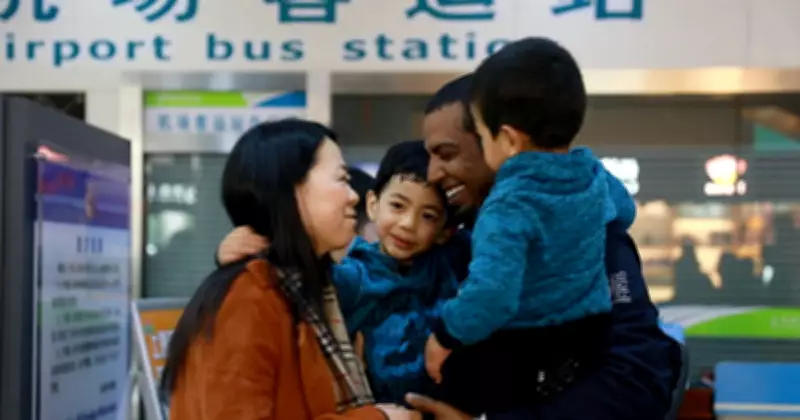
Navigating Cultural Differences: 5 Major Adjustments for Africans in China
Over the past decade, China has emerged as a significant destination for African students, traders, and entrepreneurs seeking educational opportunities, trade connections, and business prospects. Major cities including Guangzhou, Yiwu, Beijing, and Shanghai now host vibrant African communities thriving within China's dynamic economic landscape.
However, beyond the professional and academic opportunities, many Africans report experiencing substantial cultural adjustments that can initially prove surprising or even unsettling. Social media platforms have become rich repositories of authentic stories from Africans navigating daily life in the world's second-largest economy, revealing common themes of cultural adaptation.
1. Unwavering Public Attention and Curiosity
One of the most frequently discussed experiences among Africans in China involves the constant attention received in public spaces. Numerous online accounts describe strangers staring openly, pointing, or even requesting photographs with African individuals. While this behavior often stems from genuine curiosity in a country with historically limited racial diversity, many Africans find the experience uncomfortable or intrusive.
Social media creators living in China regularly document these encounters, with one popular TikToker noting she experiences stares and comments virtually every time she ventures outside. This phenomenon represents a significant adjustment for individuals accustomed to more diverse environments where they might blend in more easily.
2. Contrasting Approaches to Dress and Modesty
Chinese fashion norms present another area of cultural adjustment for many Africans. Online discussions frequently highlight how Chinese women often combine modesty with comfort in unexpected ways, typically covering their upper bodies with long sleeves or multiple layers while wearing shorter skirts or leggings on their lower bodies.
For Africans accustomed to different clothing traditions suited to their native climates, this contrasting approach to modesty can prove particularly jarring when observed in public spaces or workplace environments. Social media conversations about this topic often blend genuine curiosity with humorous observations about what many perceive as contradictory dressing norms.
3. Divergent Beauty Standards and Ideals
Perhaps one of the most pronounced cultural differences involves contrasting beauty standards between Chinese and African communities. Social media discussions consistently highlight how Chinese beauty ideals—which often emphasize lighter skin, slim physiques, and delicate facial features—differ substantially from African beauty norms.
Some Black content creators have further discussed how these differing standards impact their dating experiences in China, noting that preferences rooted in local beauty ideals can sometimes create challenges in personal relationships and social interactions.
4. Confronting Stereotypes and Misconceptions
Another significant cultural adjustment involves encountering persistent stereotypes about Africa and Africans. Some expatriates report facing misconceptions ranging from assumptions about poverty to stereotypes regarding hygiene or criminal behavior.
A recent viral video illustrated this challenge, showing Chinese commuters covering their noses on a bus after an African passenger boarded. While the specific motivations behind such actions remain unclear, many interpret such behavior as reflecting racial bias or ingrained stereotypes about African hygiene practices.
5. Direct Communication Styles and Bluntness
Communication patterns represent another area of cultural adjustment. While many African cultures, particularly Nigerian society, value indirect communication and polite phrasing, Chinese communication styles often prioritize directness and efficiency.
Platforms like Reddit and Twitter feature numerous accounts from Africans describing experiences where locals offered honest critiques or instructions without diplomatic softening, whether in marketplaces, classrooms, or workplaces. Although initially jarring for those accustomed to more indirect communication, many eventually come to appreciate the clarity and efficiency this directness provides.
The Broader Context of African Experience in China
Living in China as an African presents a complex blend of opportunity and adjustment. The nation's massive manufacturing sector, combined with educational scholarships and established trade connections, continues attracting African professionals and students. However, cultural differences, language barriers, and occasional racial attitudes create a multifaceted experience that requires ongoing navigation.
The predominant insight emerging from African communities in China remains straightforward: while cultural shocks are inevitable, they coexist with valuable opportunities for cultural exchange and personal growth. As China-Africa relations continue deepening, these cross-cultural experiences will likely become increasingly common, highlighting both the challenges and rewards of international living.