10 Colonial-Era Structures in Nigeria Still Standing: From Lagos to Kaduna
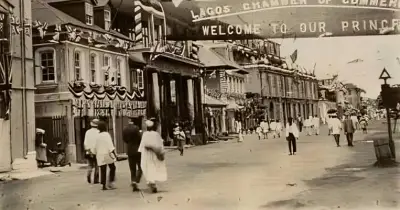
Nigeria is home to numerous remarkable colonial-era structures that have endured for over a century, surviving urban expansion, heavy traffic, and environmental pressures. These historic landmarks are integral to the nation's heritage, narrating tales of Nigeria's colonial history and infrastructural development. While some continue to serve public functions effectively, others face serious threats of collapse, underscoring the critical need for preservation efforts.
1. Carter Bridge – Lagos (Built 1901)
Perhaps the most iconic of Nigeria's colonial bridges, Carter Bridge has connected Lagos Island to the mainland for more than 125 years. Originally constructed during British colonial rule, it has witnessed Lagos transform from a modest port town into a bustling megacity. Currently, the bridge is undergoing demolition for reconstruction, with engineers flagging it as a critical risk due to structural weaknesses. Its demolition serves as a stark reminder of the fragile condition of some of Nigeria's oldest infrastructures.
2. Ijora Causeway – Lagos (Built 1914)
The Ijora Causeway remains a vital route in Lagos, accommodating thousands of daily commuters. Despite its ongoing utility, its age and the strain of modern traffic classify it as a high-risk structure. Engineers have stressed that urgent repairs are necessary to prevent further deterioration, which could compromise both safety and traffic efficiency.
3. Lagos Central Railway Station – Lagos Island (Built 1901)
Originally a colonial-era hub for Nigeria's expanding railway network, Lagos Central Railway Station has experienced significant reconstruction over the years. Today, it stands in good condition, preserving the charm and architectural style of its original 1901 design. Its meticulous renovation ensures it remains a functional and historically relevant landmark for commuters.
4. Iddo Railway Terminus – Lagos Mainland (Built 1913)
Serving as the mainland counterpart to the Lagos Island railway station, Iddo Terminus remains operational. It is considered at minimal risk, though ongoing maintenance is essential to ensure continued safe functionality. This structure exemplifies how colonial-era buildings can endure with careful upkeep.
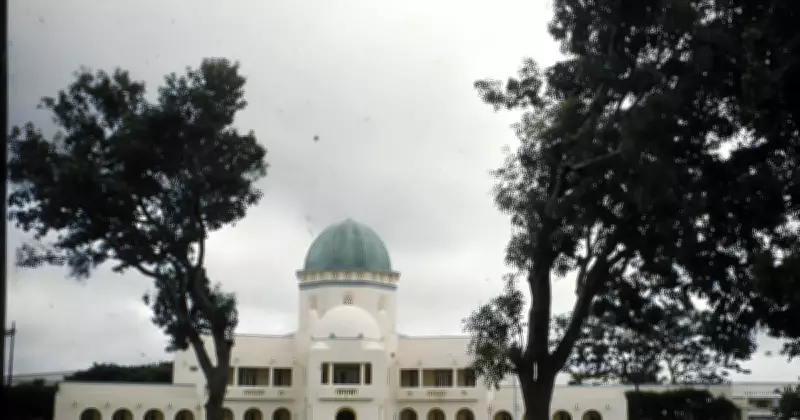
5. Lugard Hall – Kaduna (Built 1914)
Constructed during the British administration, Lugard Hall has hosted numerous official events in Kaduna. Still in use today, it faces a medium risk level. The hall's longevity reflects a combination of quality construction and periodic maintenance, making it one of the better-preserved colonial-era structures in northern Nigeria.
6. Government House, Enugu (Built 1930s)
Enugu's Government House, once a colonial administrative building, has been restored and maintained to preserve its original architectural style. The renovation has reinforced the building's structure, allowing it to continue serving administrative functions safely. Its inclusion highlights both its historical significance and successful architectural preservation.
7. Jebba Bridge – Kwara/Niger States (Built 1916)
The Jebba Bridge has been carefully reconstructed, following the approval of renovations by President Tinubu in August 2025, making it safer for modern traffic while retaining its neo-colonial engineering design. This reconstruction preserves the bridge's historical importance while ensuring it meets contemporary safety standards.
8. Government House, Marina – Lagos (Built 1899)
Among the oldest colonial buildings, the Marina Government House is still actively in use and enjoys a low-risk level. This landmark demonstrates that consistent maintenance and careful management can preserve historic buildings for more than a century.
9. Patani-Warri Road and Bridges – Delta (Built early 1900s)
These roads and bridges have long served as vital routes for trade in Delta State. Despite continued use, the structures are classified as critical risk, emphasizing the urgent need for repairs. Without intervention, these routes could pose serious safety hazards to commuters and traders alike.
10. National Museum, Lagos (Former Arthur Lagos Building – Built 1910)
Originally the Arthur Lagos Building, the National Museum in Lagos has undergone extensive renovation that preserves both the building's historical character and modern usability. Today, it continues to safeguard Nigeria's rich cultural and historical artefacts, remaining a key educational and heritage site.
These ten structures reveal a fascinating chapter in Nigeria's colonial history. Some, like Carter Bridge and the Patani-Warri bridges, face critical risk, while others, such as Government House, Marina, have survived with minimal concern due to ongoing maintenance. Preserving these landmarks is essential, not just for heritage, but also to maintain the functional infrastructure they continue to provide. Nigeria's colonial-era structures are significant beyond mere old buildings; they are witnesses to history, bridging the past with the present and reminding us of the importance of safeguarding our architectural heritage.