Eid al-Fitr 2026: Essential Guidelines for a Spiritually Uplifting Celebration
Eid al-Fitr, a day of immense joy and gratitude, signifies the conclusion of the holy month of Ramadan, bringing Muslims together in a global celebration of faith and community. While this festive occasion is filled with happiness and togetherness, adhering to specific Islamic guidelines is paramount to ensure the day remains spiritually meaningful and aligned with religious teachings. Observing these practices helps preserve the true essence of Eid, fostering a celebration that honors both tradition and devotion.
Key Practices to Avoid During Eid al-Fitr Celebrations
To maintain the sanctity of Eid al-Fitr, the Muslim Council of Hong Kong has compiled a list of discouraged behaviors. By avoiding these, Muslims can enhance their spiritual experience and respect the boundaries of their faith.
- Neglecting Personal Hygiene: On this sacred day, personal cleanliness is highly emphasized. Men are encouraged to use miswaak or other methods to ensure fresh breath and to apply perfume. This practice reflects respect for the occasion and consideration for those around you, contributing to a pleasant and reverent atmosphere.
- Not Wearing Your Best Clothes: Eid is a time to dress in one's finest attire, but this should be done with modesty and humility, avoiding arrogance or ostentation. Both men and women should wear their existing clothes in the best possible manner, focusing on simplicity and decency rather than extravagance.
- Eating Before Eid Prayer: Fasting on Eid al-Fitr is strictly forbidden. Following the Sunnah of the Prophet Muhammad (peace be upon him), as recorded in Sahih Bukhari, it is recommended to consume an odd number of dates before attending the Eid prayer. This act clearly indicates that fasting is not observed on this day, emphasizing the shift from Ramadan's austerity to celebration.
- Reciting Takbeerat in Unison: Collective recitation of takbeerat is considered an innovation and not part of the Sunnah. Each individual should recite the takbeer separately, as practiced by early generations. Scholars such as Ibn Abi Shaybah, 'Abd al-Razzaaq, and al-Firyaabi noted that believers would recite from their homes until the imam arrived, maintaining personal devotion.
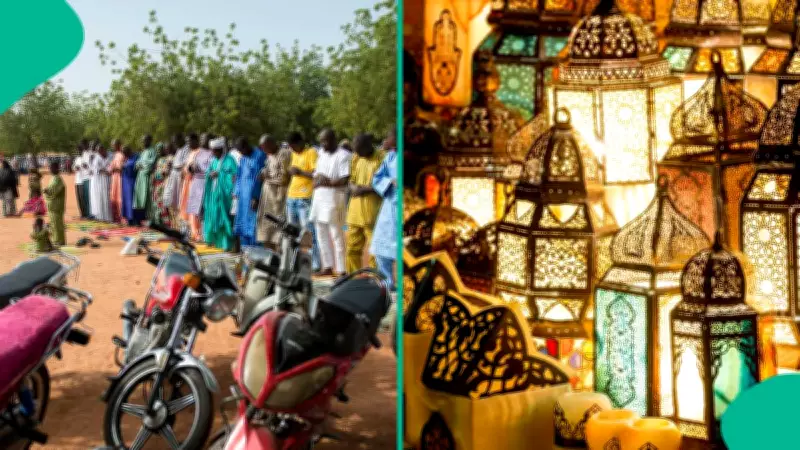
- Praying Eid Salah Inside a Regular Mosque: Eid prayers are traditionally held in open spaces to accommodate large communal gatherings, reflecting the inclusive spirit of the occasion. Conducting these prayers inside a regular mosque is discouraged, as it may limit participation and detract from the collective experience.
- Exceeding Boundaries in Celebration: While joy is central to Eid, celebrations and greetings must remain within the limits set by Shariah. Excessive or inappropriate behavior can undermine the spiritual essence of the day, so it is important to celebrate with moderation and respect.
- Giving Gifts You Wouldn't Use Yourself: Gift-giving is a cherished aspect of Eid, symbolizing love and generosity. However, it should be thoughtful and sincere, guided by the principle of loving for others what you love for yourself. Offering gifts that you would not personally use is discouraged, as it may lack genuine care and consideration.
The Spiritual Significance of Eid al-Fitr
Eid al-Fitr is not only a day of festivity but also one of discipline and remembrance of Allah. By avoiding these discouraged practices, Muslims can ensure their celebrations are pure, respectful, and spiritually uplifting. This balance between joy and devotion helps reinforce the core values of Islam, making the day a meaningful culmination of Ramadan's spiritual journey.
In related news, Saudi Arabia has announced the official Eid al-Fitr holiday for workers in the private and non-profit sectors, set to begin at the end of the working day on Wednesday, March 18, 2026. This break allows families and communities to come together in celebration, further emphasizing the communal aspect of this important Islamic event.