Muslims' Night Before Eid: Key Preparations and Spiritual Acts
As Ramadan reaches its final days, preparation for Eid al-Fitr intensifies in many homes across Nigeria and beyond. With the moon sighting expected soon, the night before Eid transforms into a significant moment of preparation, gratitude, and spiritual reflection. This period marks the 27th day of Ramadan, where communities shift from the routine of fasting to the eager anticipation of celebration.
Giving Zakat al-Fitr: A Charitable Duty
One of the most crucial duties before Eid is Zakat al-Fitr, a special charity given at the end of Ramadan. This act of charity is designed to support individuals who may lack sufficient food or resources to celebrate Eid joyfully. Muslims with the means are expected to give it on behalf of themselves and their family members. Typically, Zakat al-Fitr is provided in the form of staple foods such as rice, wheat, dates, beans, or other basic items commonly consumed in the community. Importantly, it must be distributed before the Eid prayer, prompting many to arrange this charity in the final days of Ramadan to ensure timely assistance.
Reciting the Eid Takbir: Glorifying Allah
Another essential practice that begins on the night before Eid is the recitation of the takbir, a phrase that praises and glorifies Allah. Muslims start reciting the takbir once the sighting of the moon confirms the end of Ramadan, continuing until the Eid prayer the next morning. The takbir is recited quietly at home, during preparations for Eid, or while traveling to the mosque for prayer. This recitation serves as a powerful reminder that the celebration of Eid is an expression of gratitude to Allah for the strength to complete the fasting month.
Preparing for the Eid Prayer: Early Readiness
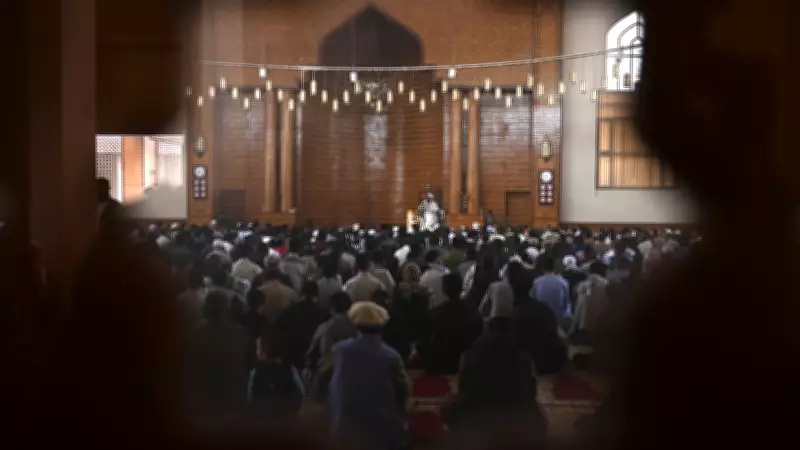
The Eid prayer stands as one of the most important events of the day, and many Muslims begin preparing for it the night before. Clothes are carefully set aside in advance, allowing individuals to wake up early and get ready without rushing. Families often plan their travel arrangements to the mosque or prayer ground, where the Eid prayer is mostly performed in open spaces or central mosques, gathering thousands of worshippers together in unity.
Preparing Food and Family Gatherings: Culinary and Social Joy
The night before Eid is also a bustling time for families as they start preparing meals for the next day. Kitchens become hubs of activity, with people cooking dishes and preparing food to share with neighbors and visitors. Eid is not only a religious occasion but also a cherished opportunity for families to reunite after a month of fasting, fostering social bonds and communal joy.
Reflecting on the End of Ramadan: Spiritual Contemplation
While the night before Eid is filled with preparation and excitement, it also offers a moment for deep reflection. After weeks of fasting and spiritual discipline, many Muslims take time to ponder the lessons of Ramadan. This is a chance to express gratitude for the strength to complete the fast and to hope that the acts of worship performed during the month are accepted. For some, it is also a time to consider how the discipline and habits developed during Ramadan can be sustained beyond the month's end.
Welcoming a Day of Joy: Bridging Devotion and Celebration
Eid al-Fitr is renowned as a day of celebration, yet it also symbolizes the completion of a profound spiritual journey. The night before Eid thus acts as a bridge between the devotion of Ramadan and the joy of the festival. Through acts of charity, prayer, preparation, and reflection, Muslims around the world welcome the arrival of Eid with heartfelt gratitude and hopeful anticipation.