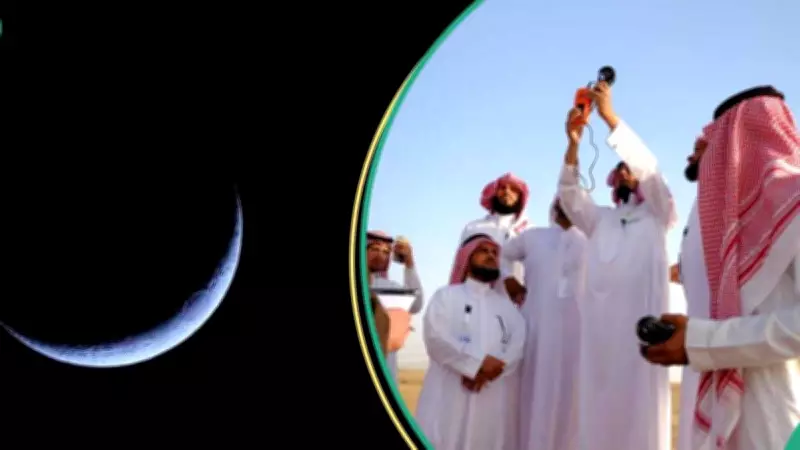
Saudi Arabia Issues Update on Shawwal Moon Sighting for Eid al-Fitr 2026
Saudi Arabian authorities have provided a significant update regarding the sighting of the Shawwal crescent moon, which marks the end of Ramadan and the beginning of Eid al-Fitr celebrations in 2026. Officials have indicated that unfavourable weather conditions across key astronomical observatories may severely hinder the traditional moon sighting process.
Observatories Report Poor Visibility Conditions
According to reports from multiple observatories, visibility conditions are currently suboptimal for spotting the delicate crescent moon. The Al-Hariq Observatory explicitly stated, "The weather is not clear at the moment, and the sighting of the Eid crescent may be difficult." This sentiment was echoed by the Sudair Observatory, which also reported cloudy skies that significantly reduce the chances of successful observation.
Meanwhile, the Dammam Observatory, recognized as one of the earliest sites preparing for the annual sighting, has already commenced its observation activities despite the challenging atmospheric conditions. The simultaneous efforts across these multiple locations highlight the importance Saudi Arabia places on this religious observance.
Uncertainty Surrounds Eid al-Fitr Confirmation
The development raises considerable uncertainty about the official confirmation of Eid al-Fitr 2026, as Islamic tradition requires the physical sighting of the crescent moon to declare the end of Ramadan. The moon sighting process remains ongoing, with no official conclusion reached at the time of reporting.
This situation creates anticipation among Muslim communities worldwide who await the official announcement from Saudi authorities. The Kingdom's confirmation typically sets the precedent for Eid celebrations across many Muslim-majority countries and diaspora communities globally.
Background on the Moon Sighting Process
The Shawwal moon sighting represents a crucial religious observance in Islam, determining when the month-long fast of Ramadan concludes and the festive celebrations of Eid al-Fitr begin. Saudi Arabia's role in this process carries significant weight due to its custodianship of Islam's holiest sites in Mecca and Medina.
Weather-related challenges in moon sighting are not unprecedented, but they always generate heightened attention and discussion within Muslim communities. The current situation underscores the intersection of religious tradition, astronomical science, and meteorological conditions that characterizes this annual observance.
As the observation efforts continue, authorities remain vigilant in their attempts to spot the crescent despite the less-than-ideal conditions. The global Muslim community awaits further updates from Saudi officials regarding this developing situation.