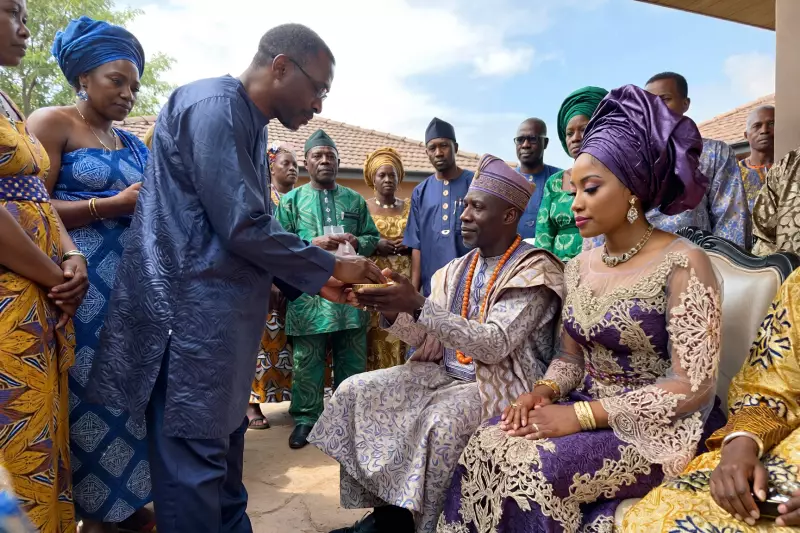
Nigeria's marriage traditions form a vibrant and complex cultural tapestry, uniting not just couples but entire families and communities through elaborate ceremonies that blend ancestral customs with modern realities. After extensive research and attendance at countless ceremonies across the nation, from Jos to Lagos, it's clear these practices offer a profound window into the soul of the country. They are multi-layered celebrations involving traditional rites, religious observances, and legal processes, all designed to establish enduring social bonds and honour generational legacy.
The Foundation of Traditional Marriage in Nigeria
Traditional marriage in Nigeria, while incredibly diverse across the nation's 371 ethnic groups, is united by core principles. These ceremonies prioritise family approval, involve formal financial and material exchanges, and celebrate the joining of two lineages. The Nigerian legal system operates a dual framework: statutory marriages are overseen by the Ministry of Interior under the Marriage Act, while customary marriages are validated by community recognition and do not require government registration to be considered binding within communities.
This often leads couples to undergo multiple ceremonies. It's common for a pair to have a traditional customary ceremony, a religious wedding (a Christian "white wedding" or Islamic Nikah), and a statutory registry signing. The financial burden is significant, with the average total cost of a Nigerian wedding now reaching approximately ₦13 million, according to recent data.
What is a Customary Marriage and Why Does It Endure?
A customary marriage is a union conducted according to the indigenous traditions of a couple's ethnic group. It is legally recognised in Nigeria without statutory registration, provided there is consent, bride price payment, and proper community witness. These marriages, which constitute about 60% of unions in the country, establish full marital rights including inheritance and custody under customary law.
The endurance of these practices lies in their deep social functions. They are not merely about romance but serve to create public community witness, honour ancestors, initiate adults into social responsibilities, and establish networks of mutual support. The negotiation process itself, often seen in bride price discussions, is a ritual that builds reciprocal obligations between families.
Bride Price: Cultural Significance and Modern Challenges
The custom of bride price, known as owo ori (Yoruba), ịhe isi (Igbo), or sadaki (Hausa), is nearly universal but widely debated. It ranges dramatically from about ₦30,000 in some Hausa communities to over ₦5 million in certain Igbo contexts. While critics argue it commodifies women, defenders see it as a symbolic gesture of respect, commitment, and a way to formalise ties between families.
In practice, modern challenges abound. Urbanisation, economic pressures, and shifting generational values have led to commercialisation and inflated demands. Some states, like Imo, have attempted to legislate caps. Successfully navigating this requires understanding that it is a negotiation, not a demand, and engaging family elders to broker a reasonable agreement that avoids starting married life in debt.
A Practical Guide to Navigating the Customs
For anyone approaching a Nigerian marriage, certain steps are crucial. First, thoroughly research your partner's specific ethnic traditions; assuming universality leads to mistakes. Second, engage family elders early, as they are the cultural gatekeepers and negotiators. Third, prepare financially for multiple ceremonies, budgeting realistically for engagement lists, venue catering, aso-ebi (matching family attire), and religious events.
It is also vital to understand regional variations. Hausa-Fulani customs often involve shorter courtship and emphasise Islamic modesty. Yoruba ceremonies are known for elaborate introductions and symbolic items like honey and kola nuts. Igbo traditions feature the dramatic palm wine ceremony where the bride searches for her groom. Navigating these customs today requires a balance: honouring core cultural elements while adapting peripheral aspects to personal circumstances and financial reality.
Despite the costs and complexities, Nigerian marriage customs persist because they fulfil deep-seated needs for community, continuity, and structured social transition. They represent a living, evolving tradition that continues to define how families are formed and communities are strengthened across the nation.