What is the dominant race in Nigeria? This question often arises from a misunderstanding of Nigeria's demographic reality. Nigeria does not have distinct races in a biological sense; instead, it is home to 371 recognized ethnic groups, each with its own language, culture, and traditions. The three largest ethnic groups are the Hausa-Fulani, representing approximately 29% of the population, the Yoruba at about 21%, and the Igbo at roughly 18%. Together, these three groups account for around 68% of the population, while the remaining 32% comprises hundreds of other ethnic groups, including the Ijaw, Kanuri, Ibibio, Tiv, and Edo.
Understanding Ethnicity vs. Race in Nigeria
When discussing demographic diversity in Nigeria, it is crucial to distinguish between race and ethnicity. Race is a biological concept that does not apply meaningfully in Nigeria, where virtually the entire population shares broad West African genetic ancestry. Ethnicity, on the other hand, refers to shared cultural practices, language, and historical origins. Nigerians identify primarily by ethnic group, state of origin, and local government area. This distinction is vital for accurately describing the nation's social fabric.
The Three Largest Ethnic Groups
Hausa-Fulani
The Hausa-Fulani are the largest ethnic group in Nigeria, comprising about 29% of the population, or roughly 65 to 67 million people. They are concentrated in northern states such as Sokoto, Kano, Kaduna, Katsina, Jigawa, and Zamfara. The term "Hausa-Fulani" reflects a historical fusion of the Hausa people, who built ancient city-states like Kano and Katsina, and the Fulani, nomadic pastoralists who settled among the Hausa following the Usman dan Fodio jihad of 1804. Intermarriage, shared Islamic faith, and adoption of the Hausa language created this cultural bloc. The Hausa-Fulani have historically wielded significant political influence since Nigeria's independence in 1960.
Yoruba
The Yoruba people account for about 21% of the population, approximately 47 to 49 million individuals. They primarily inhabit southwestern states including Lagos, Ogun, Oyo, Osun, Ondo, and Ekiti. Yoruba culture has contributed enduring elements such as talking drums, Gelede masquerades, and Afrobeats music. The Yoruba are notable for their historical urbanization, with cities like Ibadan, Ile-Ife, and Lagos developing as major population centers long before European colonization.
Igbo
The Igbo represent roughly 18% of the population, or about 40 to 42 million people, primarily in southeastern states like Abia, Anambra, Ebonyi, Enugu, and Imo. Known for their enterprising spirit and republican political traditions, the Igbo historically operated village-level democratic assemblies without centralized kingdoms. This cultural disposition has made them particularly visible in Nigeria's commercial economy, owning significant businesses across all regions.
Nigeria's Demographic Complexity
Understanding Nigeria's ethnic landscape requires moving beyond the "big three." The remaining 368 ethnic groups collectively represent over 70 million people. For example, the Ijaw in the Niger Delta number over 14 million, while the Tiv, Kanuri, Ibibio, and Edo each have millions of members. These communities are not statistical footnotes but full participants in national life. Regional concentration patterns show northern Nigeria predominantly Hausa-Fulani and Kanuri, southwestern Nigeria overwhelmingly Yoruba, and southeastern Nigeria primarily Igbo. The Middle Belt, including states like Benue, Plateau, and Kogi, hosts the greatest ethnic diversity with dozens of groups.
Nigeria's linguistic diversity includes over 500 languages from three major African language families: Niger-Congo (including Yoruba, Igbo, and Ijaw), Afroasiatic (including Hausa and Kanuri), and a small Nilo-Saharan presence. English serves as the official lingua franca, while Nigerian Pidgin English facilitates communication across ethnic boundaries in southern urban areas.
Which Ethnic Group Truly Dominates Nigeria?
No single ethnic group dominates Nigeria in all spheres. The Hausa-Fulani hold a numerical advantage and historical political influence, particularly during military regimes. The Igbo dominate significant commercial sectors despite their smaller population percentage. The Yoruba balance political influence and economic activity, with Lagos contributing about 35% of Nigeria's GDP. However, dominance is contested, and the marginalization of minority groups has led to tensions, such as the Niger Delta militancy of the early 2000s. Nigeria's stability depends on all groups feeling adequately represented.
Frequently Asked Questions
What is the dominant race in Nigeria?
Nigeria has no dominant race; it comprises 371 ethnic groups with shared West African ancestry. The three largest are Hausa-Fulani (29%), Yoruba (21%), and Igbo (18%).
Are Yoruba, Igbo, and Hausa different races?
No, they are different ethnic groups, not races. They share broad West African genetic ancestry but differ in language, culture, and governance systems.
How many ethnic groups are in Nigeria?
Nigeria has 371 officially recognized ethnic groups, speaking over 500 languages.
What is Nigeria's most diverse state?
Taraba State is the most ethnically diverse, hosting approximately 80 different ethnic groups.
Which Nigerian city never sleeps?
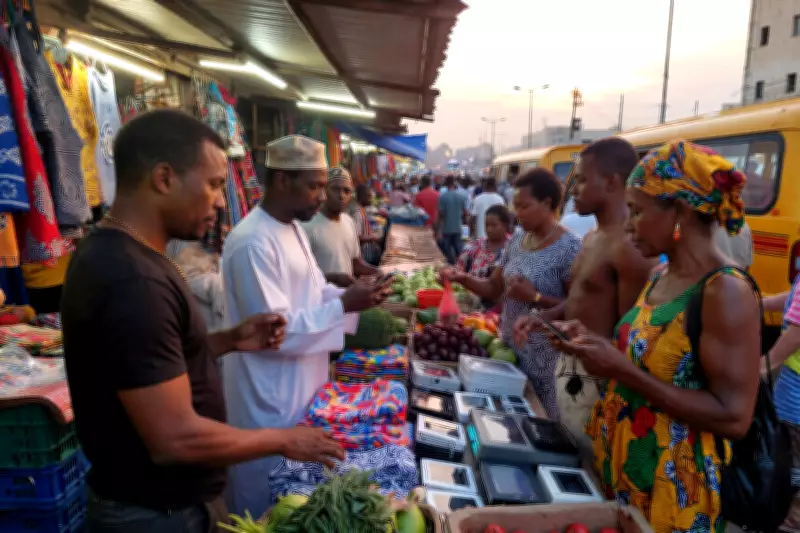
Lagos, with over 15 million people, operates 24/7 through its ports, markets, financial districts, and entertainment venues.