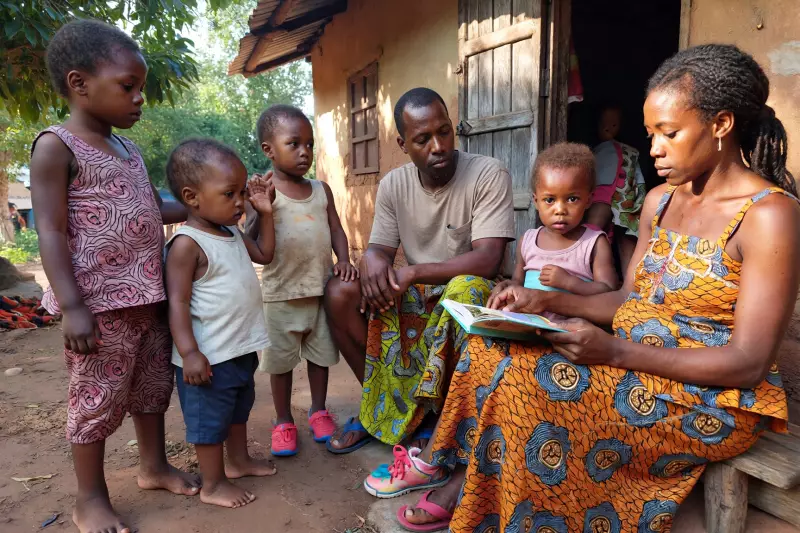
After months of in-depth research into the nation's demographic patterns, a clear picture of Nigerian family sizes has emerged. The latest figures from the 2024 Nigeria Demographic and Health Survey reveal a significant shift: the average Nigerian woman now has 4.8 children, a notable decline from the 5.3 children recorded in 2018. This change is more than a statistic; it reflects a profound transformation in attitudes, healthcare, and economic realities across the country's diverse landscape.
The Stark North-South Divide in Family Planning
While the national average provides a headline figure, it masks dramatic regional disparities that define Nigeria's demographic story. The divide between the North and the South is particularly striking. In states like Sokoto and Yobe, women average between six and seven children. In stark contrast, cosmopolitan Lagos records an average of closer to 3.6 children per woman, according to the National Bureau of Statistics.
This gap is driven by a complex interplay of factors. In conservative Muslim communities across the North, larger families are often viewed as divine blessings and economic assets, providing labour and security. Meanwhile, in Southern urban centres like Port Harcourt and Ibadan, economic pressures are reshaping decisions. The soaring cost of education, which can range from ₦500,000 to ₦2 million annually per child in private schools, alongside career ambitions, is making smaller families of two to four children the new norm for many.
Education and Economics: The Powerful Forces Reshaping Families
The single strongest predictor of family size in Nigeria is a woman's educational attainment. The data is unequivocal: women with no formal education average 6.2 children, while those with secondary education or higher average 3.5 children. This correlation underscores a powerful truth—investing in girls' education yields a direct demographic dividend within a single generation.
The urban-rural divide further compounds this effect. Analysis shows rural women average 5.4 children compared to 3.6 for their urban counterparts. This reflects not only differing access to family planning services but also contrasting economic incentives. In agricultural communities, children can be seen as essential farm labour. In cities, they represent a major financial commitment, with estimates suggesting it costs between ₦5 million to ₦15 million to raise a single child from birth through university.
Household Size and the Reality of Extended Family Living
When discussing family size, it's crucial to understand the typical Nigerian household structure. The average household contains 5.6 people, but this number tells only part of the story. Extended family living remains deeply ingrained in the culture. A household often includes parents, children, grandparents, unmarried adult siblings, nieces, nephews, and other relatives.
In the North, polygamous marriages permitted under Islamic law can create particularly large family units. A man with three wives, each having four children, heads a household of 15 before even counting extended kin. Conversely, in cities like Lagos, high rent costs—₦800,000 to ₦3 million annually for modest flats—and modern lifestyles increasingly favour smaller, nuclear family setups.
Contraceptive Access and the Path Forward
A key factor in managing fertility rates is access to modern family planning. Federal Ministry of Health data shows that modern contraceptive use among married women has increased modestly, from 12% in 2018 to 15% in 2023. However, this remains far below the national target of 27% by 2030. The unmet need for family planning affects 21% of Nigerian women—those who wish to delay or prevent pregnancy but lack access to effective methods.
The regional variation in contraceptive use is extreme and directly linked to fertility rates. States like Sokoto report usage as low as 3-4%, correlating with fertility above seven children. Lagos, with a 28% usage rate, has Nigeria's lowest regional fertility. Closing this access gap is one of the most immediate steps available to further reduce fertility rates while respecting individual choice.
Nigeria stands at a demographic crossroads. With 44% of the population under age 14, the nation's future prosperity hinges on whether it can accelerate its fertility transition. The continued decline from 5.3 to 4.8 children is a positive sign, but sustained progress will require expanded investment in female education, healthcare infrastructure, and respectful, accessible family planning services for all.