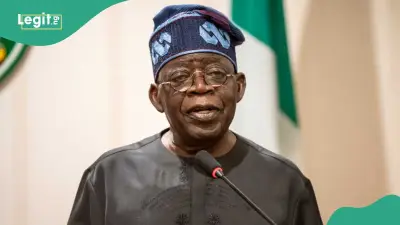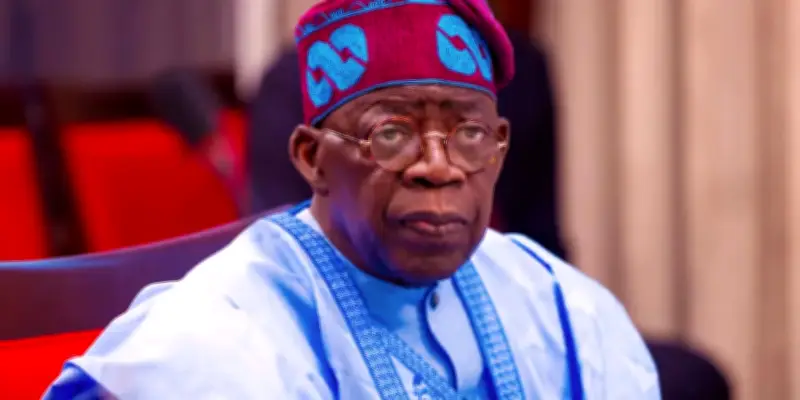
President Bola Tinubu has transmitted an amendment bill to the National Assembly seeking to reform Nigeria's secondary education system. The proposed legislation aims to provide a legal framework for reorganizing the country's secondary education structure, though specific provisions were not disclosed.
Senate President Godswill Akpabio read the president's letter during plenary on Thursday. The letter states that the Federal Executive Council approved the bill on April 30, 2026, and the Federal Ministry of Justice vetted it in line with constitutional drafting standards. The bill is titled the National Secondary Education Commission Amendment Bill 2026.
Background of the Reform Debate
The reform comes amid public debate over the federal government's proposal to abolish the separation between Junior Secondary School (JSS) and Senior Secondary School (SSS). Education Minister Tunji Alausa announced the proposal last Tuesday, stating that the current 6-3-3-4 system has contributed to the loss of about 20 million pupils between primary and secondary school levels.
Nigeria's current system includes six years of primary education, three years of JSS, three years of SSS, and four years of tertiary education. Students must sit examinations at the end of primary school and JSS to progress. The system was designed to provide academic and vocational skills, but stakeholders have raised concerns about inadequate infrastructure, poverty, insecurity, and transition costs causing dropouts.
Proposed 12-Year Uninterrupted Basic Education
Minister Alausa proposed replacing the 6-3-3-4 structure with a 12-year uninterrupted basic education model, where pupils would complete six years of primary and six years of secondary education without division. The goal is to reduce dropout rates and simplify progression.
However, President Tinubu's letter did not explicitly state whether the bill seeks to scrap the JSS-SSS distinction. Instead, it says the legislation aims to strengthen the administration and governance of public senior secondary education in Nigeria.
Mixed Reactions from Stakeholders
Education experts have mixed reactions. Some welcome the idea of improving retention, while others argue that changing the structure alone won't address underlying issues like inadequate funding, poor infrastructure, teacher shortages, insecurity, and poverty. Critics warn that without tackling these challenges, structural changes may have limited impact.
The bill has been referred to the Senate Committee on Rules and Business for processing, with a one-week deadline to report back.