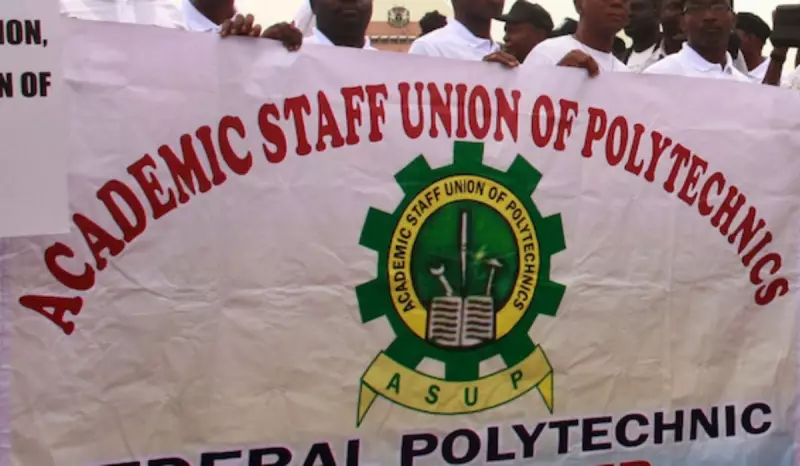
The Academic Staff Union of Polytechnics (ASUP) has issued a stark warning, stating that persistent neglect, severe underfunding, and escalating insecurity pose a grave threat to the survival of technical and vocational education in Nigeria.
Key Demands from the 18th National Delegates Conference
The union's position was solidified at its 18th National Delegates Conference (NDC), which concluded in Jos, Plateau State. Delegates from across the country convened to deliberate on critical national issues, with a sharp focus on the deteriorating state of the education sector and staff welfare.
In a communiqué signed by its National Publicity Secretary, Ikoro Ekanemesang, ASUP called on the Federal Government to take urgent action on two fronts: strengthening security nationwide, particularly around educational institutions, and implementing immediate economic relief measures to cushion the devastating impact of inflation on citizens.
Chronic Underfunding and Outstanding Arrears
A central concern raised was the chronic underfunding of the polytechnic system. The union demanded improved and sustained financial investment, specifically urging the release of approved funds for the second phase of the NEEDS Assessment Intervention. It emphasized the need for transparent and equitable disbursement to all eligible institutions.
Furthermore, ASUP renewed its call for the settlement of all outstanding CONTISS 15 migration arrears owed to lower-cadre academic staff. The union described the prolonged delay in payment as both unjust and deeply demoralizing to the affected personnel.
Legislative Reforms and Institutional Autonomy
On legislative reforms, ASUP commended the National Assembly for reintroducing the bill to abolish the controversial HND/BSc dichotomy. The union passionately appealed to President Bola Tinubu to assent to the bill once it is passed, arguing that ending this long-standing discrimination is crucial for promoting fairness and building a stronger, more competent national workforce.
The union also expressed strong opposition to the indiscriminate conversion of polytechnics to universities, warning that this trend erodes the core mandate of Nigeria's technical education framework. Instead, ASUP advocated for a dual mandate model that would allow polytechnics to award degrees without sacrificing their essential technological and vocational focus.
Additionally, the union condemned any attempts to outsource the quality assurance functions of the National Board for Technical Education (NBTE) or any actions perceived as undermining the autonomy of polytechnic institutions.
New Leadership and Renewed Commitment
The conference culminated in the election of new national officers to lead the union. Shammah Sunday Kpanja emerged as the new National President. ASUP reaffirmed its unwavering commitment to protecting the welfare of its members and tirelessly advocating for a modern, well-funded, and globally competitive polytechnic system in Nigeria.