The Registrar of the Teachers Registration Council of Nigeria (TRCN), Dr. Ronke Soyombo, has raised serious concerns over the poor remuneration of teachers in private schools, revealing that some educators still earn as little as N20,000 per month. Speaking at the yearly summit of the Conference of Private School Associations in Lagos, Soyombo stressed that improving teachers' welfare is essential for raising education standards, emphasizing that educators remain the foundation of quality education systems.
Summit Highlights
The summit, themed 'Transformation of Education in Lagos State,' brought together proprietors, school administrators, policymakers, and other education stakeholders. Soyombo stated, 'If we want good service, we have to pay teachers well. For us to get quality service from teachers and stop them from looking left, right and centre, they also want to send their children to good schools, so let's pay teachers good money.'
She decried the welfare conditions of many teachers and recounted the experience of an award-winning educator from a private school who had to sell a vehicle received as a reward due to low earnings. The TRCN chief noted that poor remuneration remains a major factor affecting teacher motivation and retention in schools.
Teacher Training and Retention
Soyombo also addressed the reluctance of some private school proprietors to invest in teacher training, noting that many fear trained staff will leave for better opportunities. 'We have to look at the conditions of service and make teachers the cornerstone of a quality educational system,' she stated. She maintained that Nigeria cannot transform its education sector without transforming the teaching profession and fostering stronger collaboration with private schools.
She lamented that many education reforms fail because teachers are often excluded from the center of policy implementation. She further called for stronger teacher regulation, continuous professional development, safeguarding measures, and the responsible use of artificial intelligence in classrooms.
Digital Initiatives
Soyombo disclosed that the council has enhanced its digital teacher portal to facilitate registration, licensing, certification, and verification processes. She added that plans are underway to launch a mobile application for teachers nationwide. The TRCN is also strengthening safeguarding mechanisms, including a toll-free line for reporting sexual abuse and professional misconduct, as well as plans to introduce criminal record checks for teachers.
Leadership in Education
Also speaking at the summit, renowned entrepreneur and former Chairman of First Bank of Nigeria Limited, Ibukun Awosika, said effective leadership remains the most critical factor in achieving meaningful transformation in education. In her presentation titled 'The Role of Leadership in the Transformation of Education,' Awosika argued that no nation can attain sustainable development without an educated and enlightened population.
'There is no development in any nation without an educated population. The extent of the enlightenment of the population is critical to the ability of the state or nation to develop and deliver on its agenda,' she said. Awosika stressed that education must be deliberately aligned with a state's economic and developmental aspirations to produce the human capital required for growth.
She emphasized that leaders must identify skill gaps within their economies and design policies that encourage the development of the talent needed. She added that countries seeking industrialization often tailor their educational systems to produce the skills required by emerging industries. She cited the shortage of healthcare workers in Nigeria as an example of how educational systems should respond to national manpower needs and challenged educators to create learning environments that encourage curiosity, critical thinking, and innovation.
Government Commitment
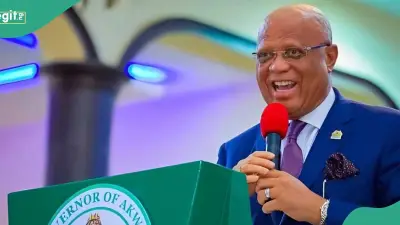
Lagos State Commissioner for Basic and Secondary Education, Jamiu Alli-Balogun, assured stakeholders that the state government remains committed to school safety and the advancement of quality education. Alli-Balogun noted that private schools are members of the state's Safe Schools Committee and called for stronger collaboration to enhance security across educational institutions.
He highlighted ongoing investments by the state government, including the construction of more than 400 classrooms in public schools, the expansion of digital learning platforms, the promotion of Science, Technology, Engineering and Mathematics (STEM) education, and continuous professional development for teachers.
Welcome Address
Earlier in his welcome address, the President of the Conference of Private School Associations in Lagos, Dr. Olufemi Ogunsanya, said education remains the strongest instrument for nation-building and economic growth. He stated that the quality of education currently available to children will determine the quality of future leadership, workforce productivity, entrepreneurship, and national development.
He warned that neglecting education could have severe consequences for society, including increased insecurity, unemployment, and declining productivity. He urged stakeholders to embrace innovation, strengthen quality assurance, invest in teacher development, and promote values-based education capable of preparing learners for the demands of the 21st century.