Florida Elementary School Teacher Charged with Felony for Secret Recording
A Brooksville elementary school teacher is now facing a serious felony charge after allegedly recording a private conversation without the other person's knowledge or consent, bringing Florida's stringent recording laws into sharp focus.
Details of the Alleged Incident and Arrest
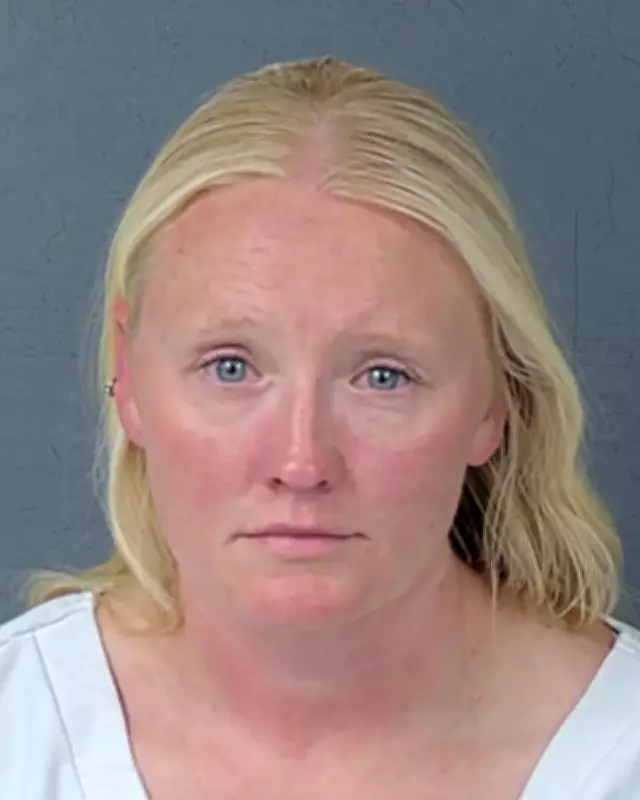
Dana Leigh Palka, 31, a teacher from Brooksville, was arrested earlier this month in Hernando County and has been formally charged with eavesdropping-illegal interception of communication. This charge is classified as a third-degree felony under Florida state law.
According to a Pasco County complaint affidavit, Palka used her cell phone to record an oral conversation with another individual without that person's permission or awareness. Investigators report that the incident took place on December 29, 2025, in Zephyrhills, when Palka and a family member visited the victim's residence unannounced.
The victim later grew suspicious after noticing Palka positioning her phone in a manner that brought the microphone closer during their interaction. Authorities state that Palka subsequently admitted to recording the conversation when questioned by the victim's relatives in a separate recorded discussion that Palka agreed to.
Legal Proceedings and Representation
Palka is scheduled for arraignment on April 16th and is being represented by attorney Jeff Cario. While the case remains pending, it highlights a critical legal principle: recording someone without their consent can constitute a criminal offense.
Understanding Florida's Two-Party Consent Law
Florida is widely recognized as a "two-party consent" state, meaning that all participants in a private conversation must give their agreement to be recorded. This requirement is explicitly outlined in Florida Statute 934.03, which prohibits the intentional interception or recording of any oral communication without consent from every party involved.
Legal experts emphasize that the law specifically applies to situations where there is a "reasonable expectation of privacy." This typically encompasses conversations held inside homes, private offices, or other non-public settings. In contrast, recording in public places—where discussions can be easily overheard—generally does not carry the same legal restrictions.
Potential Consequences and Employment Status
Violating this statute can lead to severe penalties. A third-degree felony in Florida is punishable by up to five years in prison, five years of probation, and a fine of $5,000. Hernando County School Officials have confirmed that Palka remains employed with the district at this time, as the legal process unfolds.