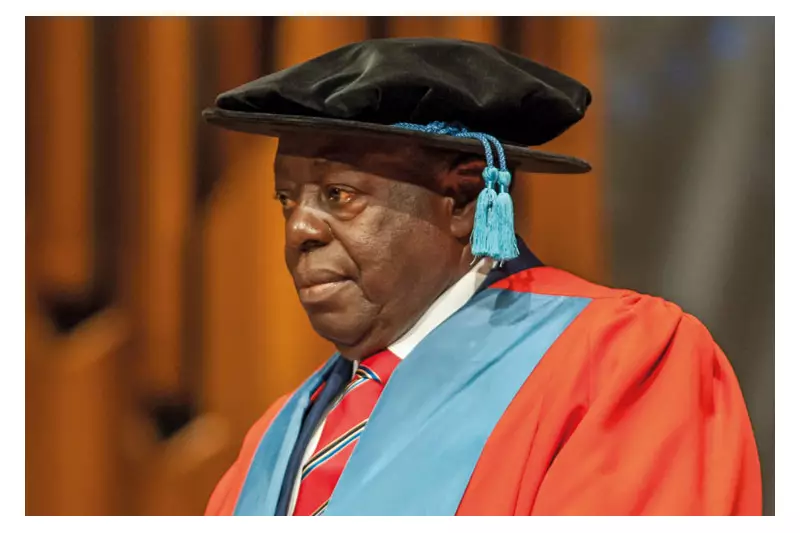
Chief Afe Babalola, SAN, stands as a monumental figure in Nigeria's modern history, not for abandoning the nation but for leaving an indelible mark across its societal landscape. His journey from humble beginnings to becoming a revered statesman and institutional pillar is a testament to a life dedicated to Nigeria's developmental imperatives. This examination delves into three core areas where his commitment has been most definitive: transformative philanthropy, educational empowerment, and profound contributions to the legal and judicial system.
Philanthropy Rooted in Omoluwabi and Educational Empowerment
Chief Afe Babalola's approach to philanthropy transcends the mere act of giving. It is deeply anchored in the Yoruba concept of Omoluwabi—a value system committed to the communal good. His philanthropy is an ethical commitment, strategically designed to address systemic needs rather than offering temporary relief. This philosophy is powerfully connected to his passion for educational advancement, viewing education as the fundamental framework for national development and human capital growth.
His interventions go beyond awarding scholarships. Babalola uses educational support as a tool to enable underprivileged Nigerian youth to connect with their aspirations, mirroring his own grass-to-grace story. His most significant institutional commitment is the Afe Babalola University (ABUAD), a beacon of educational excellence in Africa. Furthermore, his £10 million endowment established the Afe Babalola Centre for Transnational Education at King's College, London. This initiative creates a vital diasporic link, connecting him to continental educational dynamics and youth development.
A Legal Luminary Shaping Nigeria's Judicial Landscape
Babalola's stature is inextricably linked to Nigeria's legal and judicial framework. While his career is decorated with landmark cases that earned him the rank of Senior Advocate of Nigeria, his impact is more profound. His extensive legal practice and scholarly reflections—documented in numerous publications like Injunctions and Enforcement of Orders (2000) and Law and Practice of Evidence in Nigeria (2001)—have helped shape contemporary understanding of the system.
Alongside peers such as Prof. Ben Nwabueze, Chief Bola Ajibola, and Gani Fawehinmi, Babalola's work has been instrumental in configuring Nigeria's legal architecture. He operates within the judicial sphere not just as a practitioner but as a mentor, guiding those who hold the future of Nigerian justice. In a nation where justice is paramount to its health, as noted by thinkers from Plato to Wole Soyinka, Babalola's lifelong commitment represents a courageous form of patriotism.
An Exemplar of Elite Nationalism and Relentless Patriotism
Chronologically and across all spheres, Afe Babalola has journeyed far to become an exemplary institutional reference. He articulates a critical pathway for elite nationalism in Nigeria, demonstrating that the nation requires heroic commitment, even when such patriotism is not always reciprocated. His life underscores that those who stand with Nigeria must be relentless in their collective endeavour.
Ultimately, Chief Afe Babalola embodies a singular illumination in a field of heroic efforts. His work in philanthropy, education, and law provides a measurable prism for gauging everlasting patriotism. He exemplifies the courage required to persistently give one's best for national progress, solidifying his legacy as a true Nigerian avatar.