In a decisive move to prevent another disruptive industrial action, the administration of President Bola Tinubu has tabled a significant salary proposal to the Academic Staff Union of Universities (ASUU).
Government's Last-Minute Proposal
The Federal Government has offered a 40 per cent salary increment to lecturers across public universities in Nigeria. This development emerged as ASUU's one-month ultimatum to the government lapsed on Saturday, November 29, 2025. Sources close to the negotiation, who requested anonymity, confirmed the offer to our correspondent in Abuja.
The proposal was presented during renewed talks between a government delegation, led by Yayale Ahmed, and the leadership of the academic union. This meeting, which started on Monday and extended into Tuesday, was convened in a last-ditch effort to avert a full-scale strike that would have paralyzed academic activities nationwide.
ASUU's Response and Internal Mobilization
Following the government's offer, ASUU's National Executive Council (NEC) convened a crucial meeting in Abuja on Sunday, December 1. The council reached a consensus on the way forward. Branch leaders who attended the NEC gathering have now been tasked with a critical mission: to return to their respective universities and comprehensively brief all members on the details of the government's proposal and the state of negotiations.
A union member, speaking on the condition of anonymity, revealed the current stance: "They made a proposal of a 40% salary increment. Branch leaders will go back and update members on the situation. As it stands, negotiations continue with the government next week." This indicates that while the proposal is on the table, it has not yet been accepted, and discussions are ongoing.
Unresolved Issues and Broader Labour Support
Despite the salary offer, several core grievances remain unresolved. These longstanding issues include the full review of the 2009 ASUU-FG agreement, the payment of outstanding salaries and earned academic allowances, and the proper disbursement of funds for university revitalization.
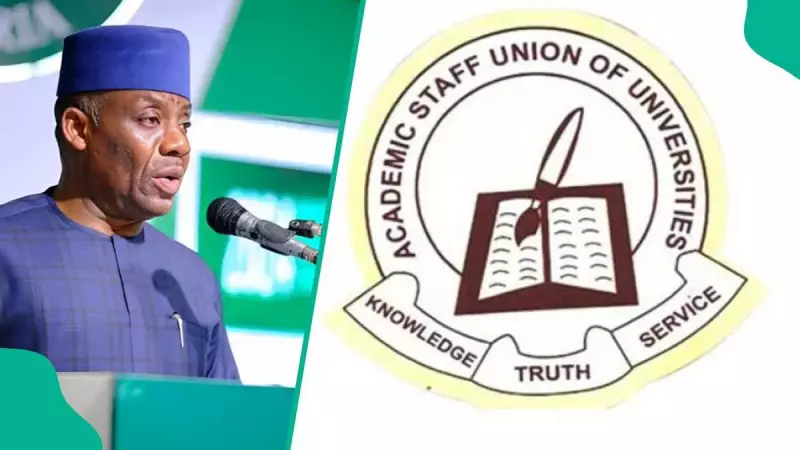
The government's position, as stated by the Minister of Education, Dr. Tunji Alausa, is that most demands have been met. Alausa, who is currently abroad, had earlier assured that President Tinubu mandated the prevention of any strike. "We've met literally all their requirements and are back at the negotiation table. We will resolve this," the Minister told State House correspondents two weeks prior.
Adding weight to ASUU's position, the Nigeria Labour Congress (NLC), the umbrella body for all workers' unions in the country, has publicly thrown its support behind the lecturers. The NLC has vowed to actively advocate for ASUU should the Federal Government fail to satisfactorily address the union's demands.
The atmosphere across Nigerian campuses remains tense, with students and parents anxiously awaiting the outcome of these high-stakes negotiations. The coming days will determine whether the 40% salary proposal is enough to bridge the gap of trust and finally address the systemic challenges plaguing the nation's public university system.