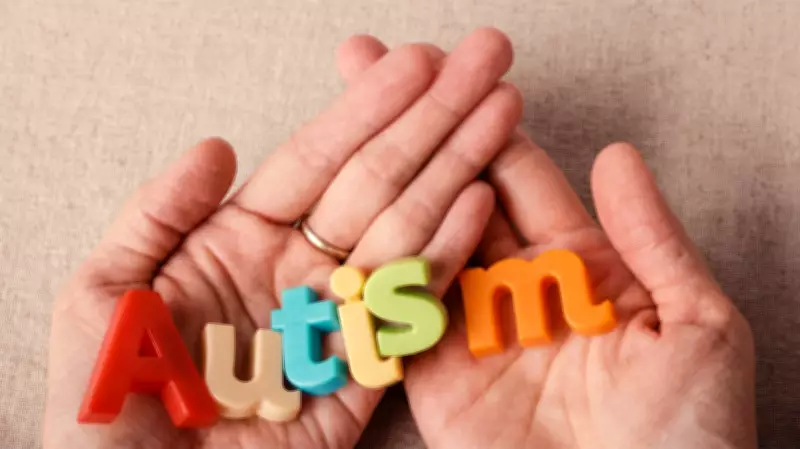
The Federal Government has initiated a major drive to significantly expand the availability of specialized therapy degree programs across Nigerian universities, with a clear focus on improving care for individuals with autism spectrum disorders and related conditions.
Strategic Expansion of Critical Healthcare Training
Minister of Education, Dr. Tunji Alausa, announced in Abuja that the government aims to increase the number of tertiary institutions offering Bachelor's degree programs in occupational therapy, audiology, and speech therapy from the current two to twenty universities. This move is designed to address a critical shortage of trained professionals in these essential healthcare fields.
"Nigeria is at a pivotal stage where demand for specialized healthcare and rehabilitation services is rising dramatically across hospitals, schools, and communities," stated Dr. Alausa during the inauguration of the Committee for the Establishment of the National Committee for the Advancement of Occupational Therapy, Audiology and Speech Therapy.
Addressing a Severe Training Deficit
Currently, only Ondo State Medical University and Obafemi Awolowo University run comprehensive degree programs in these three therapy disciplines. Many other universities either lack structured courses entirely or operate below international standards, creating what the Minister described as "a significant shortfall in both availability and quality of training programmes."
The Minister revealed that approximately twenty universities have already expressed readiness to introduce these courses, with eight institutions at an advanced stage of preparation. He has consequently called on the National Universities Commission to fast-track the accreditation process for these eight universities, with the goal of completion before year-end.
Committee Mandate and Implementation Framework
The newly inaugurated committee has been tasked with several critical responsibilities:
- Working with universities to establish Bachelor's degree programs
- Developing comprehensive curricula aligned with global standards
- Guiding institutions through accreditation processes
- Collaborating with the Medical Rehabilitation Therapists Board of Nigeria
- Providing technical guidance on clinical training frameworks
- Reviewing minimum academic and infrastructural requirements
- Assessing pathways for diploma holders to transition into degree programs
- Discouraging substandard training routes
The committee will also engage key stakeholders including the National Universities Commission to ensure quality assurance and program sustainability, while submitting periodic reports through appropriate regulatory channels.
Institutional Roles and Support Structure
Dr. Alausa outlined the specific roles of supporting institutions in this initiative. The National Universities Commission will oversee accreditation and standardization processes, while the Tertiary Education Trust Fund will serve as the committee's secretariat, providing both technical and institutional support throughout implementation.
Long-Awaited Progress for Healthcare Professionals
Responding to the announcement, occupational therapist and committee chairman Dr. Victoria Amu noted that the campaign to institutionalize these degree programs nationwide has been ongoing for more than two decades. She emphasized that this initiative represents a breakthrough moment for healthcare education in Nigeria.
"This expansion will significantly enhance early detection and intervention for autism and related conditions," explained Dr. Amu. "It will also help curb the growing trend of medical tourism, as more Nigerians will have access to specialized care within the country."
Broader Impacts on Healthcare and Employment
The initiative promises multiple benefits beyond improved autism care:
- Strengthening Nigeria's overall healthcare system through increased local training capacity
- Creating substantial employment opportunities for therapy professionals
- Improving quality of life for individuals requiring rehabilitative and therapeutic services
- Reducing dependency on foreign healthcare services for specialized treatments
- Aligning with President Bola Tinubu's Renewed Hope Agenda for education sector repositioning
This strategic expansion represents a comprehensive approach to addressing both immediate healthcare needs and long-term workforce development in critical therapy disciplines that directly impact autism care and broader rehabilitation services across Nigeria.