Top 10 Most Expensive Private Universities in Nigeria: A Comprehensive Guide
For numerous families across Nigeria, private universities present a compelling alternative to public institutions, often guaranteeing a stable academic calendar, fewer disruptions, and a more controlled learning environment. However, this assurance comes with a significant financial burden. Across the nation, certain private universities have established themselves as premium educational providers, charging fees that place them in an elite category. Many of these institutions are backed by church organizations, affluent founders, investors, and prominent public figures who are not only constructing campuses but also actively shaping the private education landscape in Nigeria. Below, we delve into the top 10 most expensive universities in the country, providing detailed insights into their costs and backgrounds.
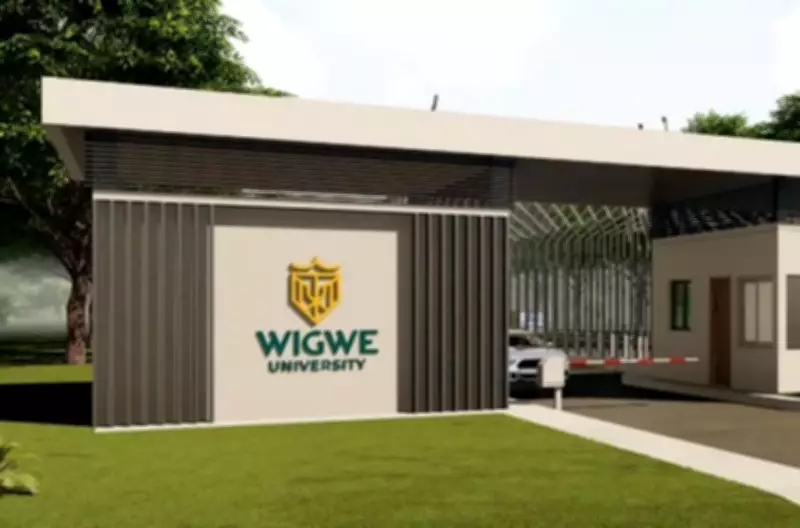
1. Wigwe University
Wigwe University, situated in Isiokpo, Rivers State, is closely associated with the late Herbert Wigwe, the former Group Chief Executive Officer of Access Bank. Although he passed away before the university fully commenced operations, it began functioning in 2024 after obtaining its licence from the National Universities Commission in June 2023. The tuition fees at Wigwe University range from approximately ₦9.6 million to nearly ₦12 million per session, with accommodation costs exceeding ₦3.8 million. This fee structure firmly positions it at the pinnacle of Nigeria's most expensive private universities.
2. Babcock University
Babcock University, owned by the Seventh-day Adventist Church in Nigeria, remains one of the country's most renowned private universities. It originated in 1959 as the Adventist College of West Africa before transitioning into a university in 1999. Its fees reflect its longstanding reputation for academic excellence. For instance, the Medicine and Surgery programme costs between ₦5.5 million and ₦7 million per session, while Law is priced at about ₦2 million. Other courses generally range from ₦800,000 to ₦1.5 million, with hostel charges falling between ₦300,000 and ₦600,000.
3. Bowen University
Bowen University, owned by the Nigerian Baptist Convention, also ranks among the expensive private institutions. Based in Iwo, Osun State, the university charges ₦4.6 million for Medicine and ₦2.2 million for Law. Several other courses have fees ranging from ₦880,900 to ₦1.3 million per session, making it a significant investment for students and their families.
4. Redeemer's University
Redeemer's University, owned by the Redeemed Christian Church of God, is another faith-based institution with high tuition fees. Law students pay between ₦1.14 million and ₦2.09 million per session, while those enrolled in Basic Medical Sciences face costs between ₦846,500 and ₦1.63 million. These fees underscore the university's commitment to providing quality education within a religious framework.
5. Covenant University
Covenant University, founded by Bishop David Oyedepo, is a prominent name in Nigeria's private education sector. Located in Ota, Ogun State, the university charges between approximately ₦1.5 million and ₦1.7 million per session, depending on the specific course. Its reputation for discipline and academic rigor contributes to its position among the country's costliest universities.
6. Nile University
Nile University of Nigeria, based in Abuja, is owned by Honoris United Universities, a pan-African higher education group supported by Actis Capital. The university's fee structure includes ₦6.5 million for Medicine and Surgery, ₦4.25 million for Law, and between ₦2.8 million and ₦3.5 million for various other programmes. This pricing firmly places Nile University among Nigeria's most expensive private institutions.
7. Pan Atlantic University
Pan Atlantic University, a private non-profit institution in Lagos State, also ranks high in terms of cost. Evolving from the Lagos Business School, it now offers both undergraduate and postgraduate programmes. Tuition fees range from ₦4.1 million to ₦6.3 million, depending on the course, reflecting its focus on business and management education.
8. Afe Babalola University
Afe Babalola University in Ado Ekiti, founded by legal icon Aare Afe Babalola, is another major player in the private university landscape. The Medicine and Surgery programme starts at about ₦4.67 million and can rise to ₦5.55 million, while other programmes range from ₦1.1 million to ₦3.7 million per session. This institution is known for its emphasis on legal and medical education.
9. Lead City University
Lead City University in Ibadan, founded by Professor Jide Owoeye, is particularly noted for its high fees in health-related courses. Medicine costs ₦5.525 million yearly, while Pharmacy and Nursing are each priced at ₦3.025 million. Dentistry comes in at ₦2.525 million per year, highlighting the university's focus on healthcare education.
10. The American University of Nigeria
The American University of Nigeria, founded by former Vice President Atiku Abubakar, introduces a distinct structure to the private education market. Located in Yola, Adamawa State, it operates on an American-style system, charging fees by semester. A regular 15-credit course load costs about ₦1.221 million, while specialised courses such as Law, Engineering, Nursing, and Public Health are priced at approximately ₦1.755 million per semester.
In summary, these top 10 most expensive private universities in Nigeria represent a diverse array of educational offerings, each with unique fee structures and ownership backgrounds. While they promise enhanced stability and quality, the financial commitment required is substantial, making them accessible primarily to affluent families. As the private education sector continues to evolve, these institutions play a crucial role in shaping higher education standards across the country.