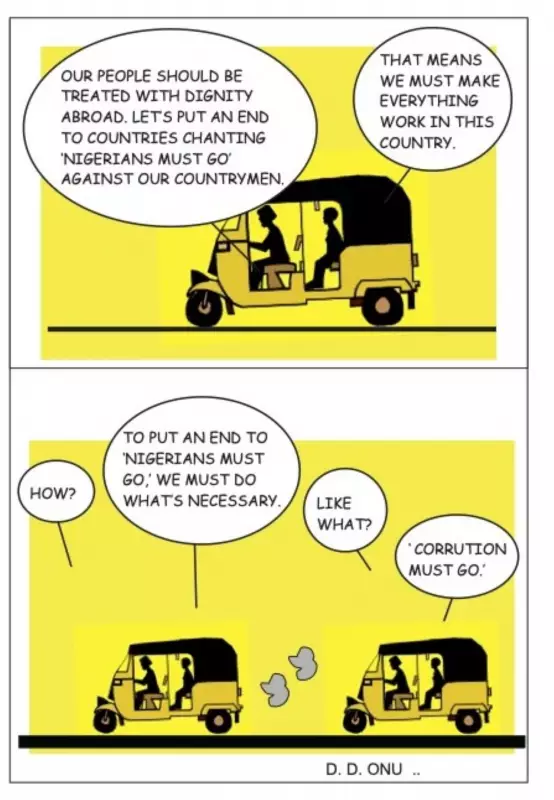
The editorial cartoon published in The Guardian Nigeria, identified as Cartoon 523, presents a stark and poignant visual commentary on the current economic realities facing the nation. This piece of graphic satire cuts directly to the heart of public sentiment, using symbolic imagery to articulate the struggles of ordinary citizens.
A Visual Metaphor for National Struggle
The cartoon's central figure is a Nigerian citizen, depicted in a state of evident distress and exhaustion. This character is not just an individual but serves as a representation of the collective populace. The artist employs this figure to channel the widespread feeling of being overwhelmed by persistent socio-economic pressures.
The setting and the character's demeanor are meticulously crafted to evoke empathy and recognition from the viewer. Every line and shadow contributes to a narrative of resilience being tested, making the illustration a powerful mirror held up to society.
Decoding the Symbolism of Burden
Upon the citizen's back rests an immense, crushing weight, visually interpreted as a heavy sack or boulder. This burden is the cartoon's primary symbol. It unmistakably represents the multifaceted economic hardships dominating daily life, including:
- Soaring inflation that erodes purchasing power.
- The relentless rise in the cost of living, from food to transportation.
- General financial instability and uncertainty.
The genius of the illustration lies in its simplicity. The tangible weight makes the abstract, often debated concept of "economic hardship" immediately visceral and understandable. The viewer does not need a complex explanation; the message of strain and pressure is communicated instantly and effectively.
The Role of Editorial Cartoons in Nigerian Discourse
This cartoon exemplifies the critical function of editorial cartoons in Nigeria's media landscape. When words alone may fail to capture the depth of public frustration, art steps in. Cartoon 523 transcends linguistic and educational barriers, offering a form of commentary that is accessible to a broad audience.
By choosing to amplify the citizen's plight through satire, The Guardian continues a long tradition of using graphic art for social and political critique. Such cartoons serve as a historical record of public mood, a pressure valve for societal tension, and a catalyst for conversation. They challenge authorities and the public alike to reflect on prevailing conditions.
Ultimately, this cartoon is more than a drawing; it is a cultural artifact that captures a specific moment in Nigeria's ongoing story. It reminds viewers of the power of visual media to condense complex national issues into a single, impactful frame, ensuring the voice of the everyday Nigerian is seen and felt.