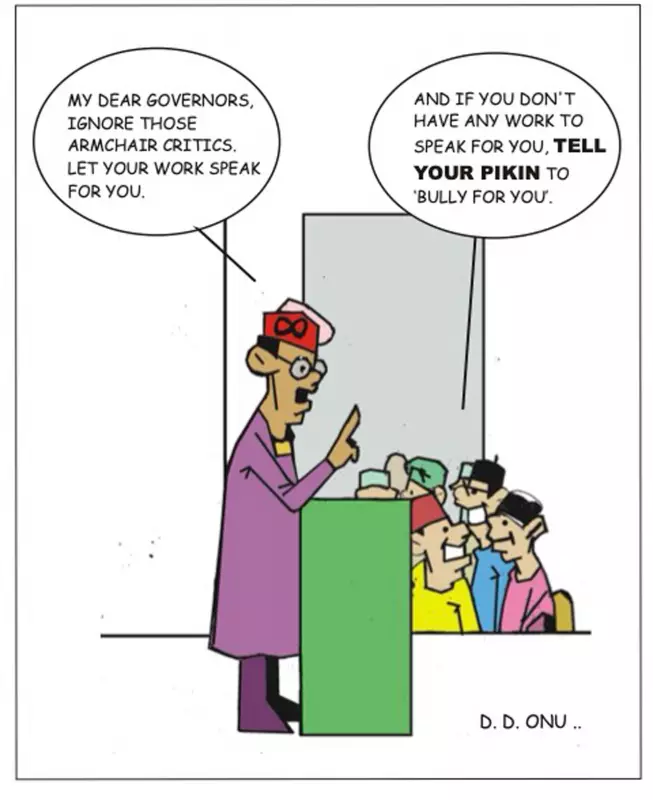
The editorial cartoon published as Cartoon 526 in The Guardian Nigeria offers a powerful, wordless commentary on the state of the nation. Using vivid imagery and symbolic characters, the cartoonist captures the complex feelings of many Nigerians regarding current socio-political and economic challenges.
Decoding the Visual Narrative
The cartoon, a staple feature of The Guardian's opinion section, relies on universally recognizable symbols to convey its message. It typically features figures representing authority, the common citizen, and various institutions, all interacting in a scene that reflects real-world frustrations and absurdities. The artistry lies in its ability to distill multifaceted issues into a single, impactful frame that resonates with readers across the country.
While the specific imagery of Cartoon 526 is described here based on its thematic consistency, such cartoons often highlight themes like the cost of living, infrastructure deficits, security concerns, and political rhetoric. The cartoonist employs exaggeration and irony to point out the gap between promises made and the reality experienced by ordinary people.
The Role of Satire in Nigerian Media
Editorial cartoons serve as a crucial form of journalism and public discourse in Nigeria. They provide a safe yet potent avenue for critique and reflection in a landscape where direct criticism can sometimes be fraught. The cartoon in The Guardian acts as a mirror, forcing society and its leaders to confront uncomfortable truths through humor and artistry.
This form of communication is particularly effective because it transcends literacy barriers and political affiliations. The visual nature of the message allows it to be understood and shared widely, sparking conversation in newspapers, online platforms, and social media. It is a democratic tool that holds power accountable and gives voice to public sentiment.
Public Reception and Lasting Impact
The publication of such cartoons consistently generates significant engagement from The Guardian's readership. Readers often dissect the symbols, debate the intended message, and share the cartoon as a representation of their own views. In a digital age, these images quickly find new life on platforms like Twitter, Facebook, and WhatsApp, amplifying their reach far beyond the newspaper's physical circulation.
The enduring power of Cartoon 526 and its predecessors lies in their timeliness and timelessness. They capture a specific moment of national mood while often addressing perennial issues of governance, equity, and resilience. They remind the public and policymakers alike that the eyes of the nation are watching, and its artists are documenting the journey, one sharp, insightful frame at a time.
Ultimately, this piece of visual satire is more than just a drawing; it is a historical record, a social critique, and a catalyst for dialogue. It underscores the vital role a free press and courageous artists play in shaping the narrative of a nation constantly striving for better.