Lagos Exhibition Promotes Recycling Through Art Using Old Aso-Oke Fabrics
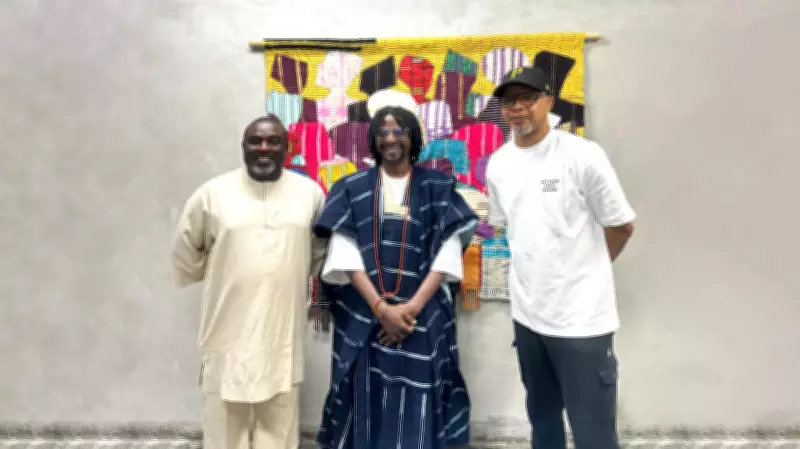
For award-winning artist Taofeek Badru, a recent solo exhibition in Lagos provided a unique opportunity to captivate art enthusiasts with his latest collection, titled Clothes Our Parents Wore. The exhibition featured a series of artworks crafted primarily from old Aso-Oke textiles, emphasizing the beauty and potential of recycled materials in creative expression.
Global Recycling Message in Local Context
Badru explained that recycling is a critical global issue, and his exhibition serves as a personal initiative to promote the reuse of items. He noted, "In this part of the world, we are not accustomed to recycling; we tend to waste things excessively. However, in other countries, reusing is a common practice. For instance, overseas, people bring their own bags to supermarkets and use reusable water bottles, unlike what we often see in Nigeria. The message here is to show that there is beauty in ashes—old items can be transformed into something valuable."
All fabrics used in the artworks were sourced from old clothes, demonstrating how discarded materials can be repurposed into beautiful art. Badru added, "This exhibition aims to inspire people to see that old things can find new life and purpose, as evidenced by the pieces on display."
Yoruba Proverbs and Cultural Narratives
Providing deeper insights into his work, Badru highlighted that many titles in the exhibition explore themes related to Áso (cloth). One notable piece, titled Gogowu, draws from a Yoruba proverb: "Aso to ba kuniku la n pe ni gogowu," which translates to "it is the cloth that remains after everything that is called gogowu." Gogowu symbolizes something essential or important, akin to a cherished garment in one's wardrobe worn daily due to its unique tailoring.
Another proverb featured is "Eniyan laso mi," meaning "people are my covering." Badru elaborated, "In Yoruba culture, this isn't about literal clothing but rather likening human beings to garments that cover nakedness. It conveys that without community support, even wearing multiple layers can leave one feeling exposed and vulnerable."
Artistic Impact and Environmental Advocacy
The exhibition not only celebrates Yoruba heritage through Aso-Oke but also advocates for environmental sustainability by encouraging recycling practices. By blending traditional textiles with contemporary art, Badru's work sparks conversations about waste reduction and cultural preservation in Nigeria.
Through this innovative approach, the exhibition underscores how art can serve as a powerful medium for social change, urging viewers to reconsider their habits and embrace reuse in everyday life.