In the vibrant and often tumultuous landscape of Nigerian media, editorial cartoons stand as a powerful, succinct form of commentary. The latest offering from one of the nation's most respected illustrators has once again captured the public's attention, serving as a mirror to society's pressing issues.
The Art of Mike Asukwo: A Visual Chronicle of Nigeria
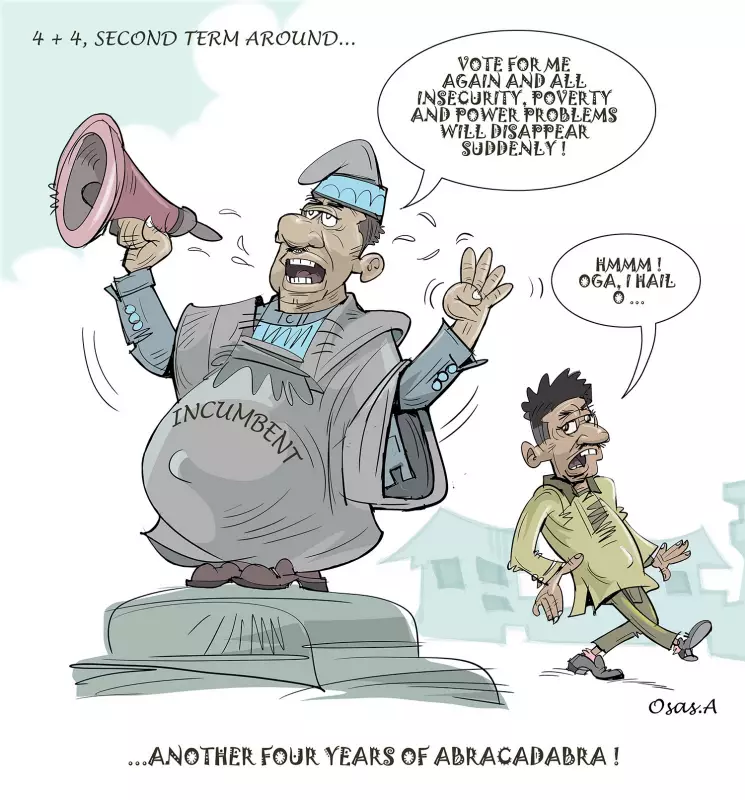
Mike Asukwo, a seasoned and acclaimed cartoonist whose work is regularly featured in The Guardian Nigeria, has released his 524th editorial cartoon for the publication. This milestone piece continues his long-standing tradition of using sharp wit and compelling imagery to dissect complex socio-political and economic realities. Asukwo's art transcends mere illustration; it functions as a critical narrative tool that engages readers on topics often mired in complexity.
His cartoons are a staple for many Nigerians who seek a blend of humor, critique, and insight into the events shaping their daily lives. Through exaggerated features, symbolic characters, and clever scenarios, Asukwo simplifies without trivializing, making profound statements accessible to a broad audience.
Decoding Cartoon 524: Themes and Symbolism
While the specific visual details of cartoon number 524 are best experienced directly, the themes it engages with are universally resonant within the Nigerian context. Asukwo's work typically tackles governance, economic hardship, security challenges, and social justice. His latest creation is no exception, offering a pointed perspective on current national affairs.
The power of an editorial cartoon lies in its ability to condense a week's worth of headlines and public sentiment into a single, impactful frame. Asukwo masterfully employs familiar symbols and personas representing political figures, institutions, and the common citizen—often personified as the long-suffering "Everyman." This approach creates an immediate connection with the audience, who see their struggles and frustrations artistically validated.
By not shying away from controversy and holding a mirror to those in power, cartoons like Asukwo's play a vital role in a healthy democracy. They foster critical thinking and provide a platform for dissent and discussion that is both engaging and thought-provoking.
The Impact and Importance of Editorial Satire
The publication of cartoon 524 in The Guardian underscores the enduring relevance of political satire in Nigeria. In an era of information overload and often polarized discourse, a well-crafted cartoon can cut through the noise. It sparks conversation around dinner tables, in offices, and across social media platforms, translating policy debates into relatable human stories.
Figures like Mike Asukwo serve as visual journalists and social commentators. Their work complements written opinion pieces and news reports, offering a different sensory pathway to understanding. The discussion generated by a single cartoon can sometimes be more vibrant and far-reaching than that of a full-length column, demonstrating the unique power of this art form.
Furthermore, such cartoons create a historical record. A collection of Asukwo's work over the years would provide a vivid, chronological visual history of Nigeria's political evolution, public mood, and major turning points, as seen through the eyes of a keen observer.
As Nigeria continues to navigate its complex developmental journey, the role of satirists and cartoonists remains crucial. They remind the public and the powerful alike of ongoing challenges, often with a smile that barely conceals a bite. Mike Asukwo's 524th contribution is a testament to the resilience of this craft and its indispensable place in holding up a reflective, if sometimes distorted, lens to the nation's soul.