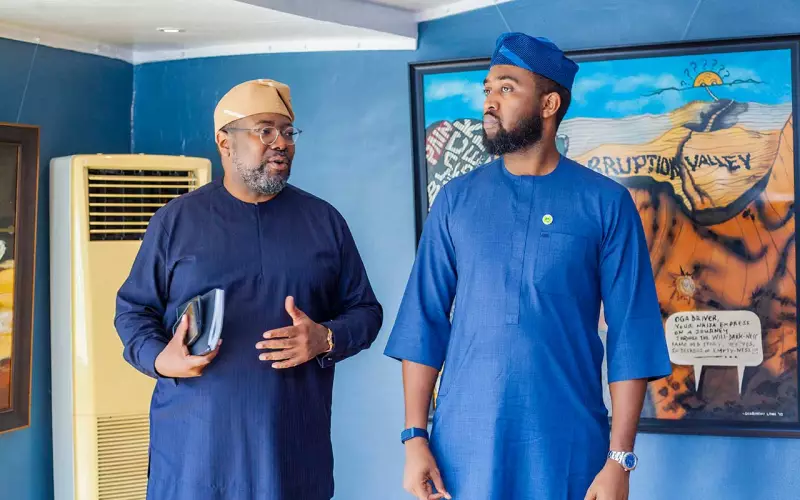
In a significant move for Nigeria's creative industry, the National Gallery of Art (NGA) and Red Door Designs Limited have officially entered into a strategic partnership. The agreement, signed recently in Lagos, aims to comprehensively modernise the country's contemporary art infrastructure and amplify value creation across the entire arts sector.
A Partnership Built on a Decade of Collaboration
This new formal agreement deepens a relationship that began over a decade ago. The partnership first took root in 2014, when Red Door Gallery hosted a pivotal Masters Series exhibition. That event featured more than 80 works from the National Collection and was supported by the Nigerian Stock Exchange (NSE), playing a crucial role in raising the international profile of Nigerian modernist art.
Bola Asiru, Founder of Red Door Gallery, described the latest agreement as the natural evolution of a long-standing institutional relationship. He stressed that his organisation's vision extends far beyond running a conventional gallery. "Our vision has always been to play a very strong role across the entire arts value chain," Asiru stated, noting that this vision is now coming to fruition under the current NGA leadership. He explained that Red Door's role as a private sector entity is to enhance government-built infrastructure, with the NGA providing strategic guidance on priority areas.
Repositioning Art as an Economic Product
Ahmed Sodangi, the Director-General of the National Gallery of Art, emphasised that the collaboration is key to unlocking the institution's full potential as the custodian of Nigeria's artistic legacy. "This partnership will help the creative industry and boost its economy to reach its fullest potential," Sodangi declared.
He argued for a fundamental shift in how artworks are perceived, urging that they be seen as valuable economic products within structured commercial frameworks, not merely as cultural objects. "These artworks are products that carry value, products that tell a story about the cultural heritage and the creative intuition of a creator," he explained. A core objective is to demonstrate to emerging artists that art can be a viable livelihood. "One of the ways to target up-and-coming artists is to show them the value, make it a means to an end," Sodangi added.
Plans for Workshops, Residencies, and Digital Growth
The partnership will tackle systemic issues in the creative sector by focusing on:
- Improved certification and documentation processes.
- Professional standardisation across the industry.
- Capacity-building for artists and gallery owners.
Sodangi confirmed plans for a series of workshops, art residencies, and training programmes. He also revealed that exhibitions moving forward will adhere to global best practices, reflecting new trends in how art is made and consumed. Furthermore, he highlighted the critical importance of digital platforms, reminding Nigerian artists that they operate in a global marketplace where presentation and marketing directly impact perceived value.
A key expected outcome is that proper certification through the NGA could significantly increase the market value of Nigerian artworks, attracting more investment and expanding financial inclusion within the sector. Looking ahead to the new year, Sodangi disclosed intentions to hold masterclasses focused on design-based exhibitions to raise sector-wide standards.
Both parties expressed strong confidence that this strengthened alliance will firmly position Nigeria as a leading cultural hub within Africa's rapidly growing contemporary art scene.