5 Essential Books by African Women to Read This March for Depth and Insight
March represents a significant turning point in the year, a period that demands intentional engagement with literature that challenges, unsettles, and provokes deep reflection long after the final page is turned. African women writers are producing works characterized by urgent honesty and an unwavering commitment to presenting complex truths without simplification.
These five selections are not light reading material but rather layered, emotional, political, intimate, and profoundly human narratives that deserve attention this month.
1. The Sex Lives of African Women by Nana Darkoa Sekyiamah
The Sex Lives of African Women begins boldly with a chapter titled "Self-discovery" and quickly transitions into raw, explicit narratives that embrace discomfort without apology. Sekyiamah curates authentic stories from African women across the continent and diaspora, centering desire in ways rarely afforded to them in mainstream discourse.
A recurring theme throughout many accounts involves explorations of polyamory, kink, and BDSM practices. However, the book's significance lies not in shock value but in contextual depth. Each contributor explains the origins of her curiosity and how religion, culture, silence, shame, or trauma shaped her journey toward bodily reclamation as a political act.
For readers interested in African feminism, sexuality studies, or gender discourse, this work is essential reading that challenges reductive stereotypes of "conservative African women" and replaces them with nuanced, layered humanity.
2. Where Sleeping Girls Lie by Faridah Àbíké-Íyímídé
This boarding school mystery carries substantial emotional weight, immediately pulling readers into its tense atmosphere. Sade Hussein enters Alfred Nobel Academy while grieving her father's death, expecting typical awkwardness but instead confronting her roommate's disappearance after their first night together.
Àbíké-Íyímídé builds suspense meticulously as rumors spread, a student is found dead, and Sade navigates elite school politics dominated by the intimidating "Unholy Trinity"—the campus's most powerful girls. The magnetic and complicated Persephone further complicates Sade's experience in ways she struggles to comprehend.
At its core, this young adult mystery explores trauma and identity while examining power dynamics—who possesses authority, who protects it, and who becomes sacrificed to preserve established hierarchies. The boarding school setting appears glossy superficially but reveals underlying decay, while Sade's emotional journey personalizes the suspense.
3. Finding Me by Viola Davis
Unlike many curated memoirs, Finding Me feels excavated from deep personal experience. Viola Davis writes with painful clarity about her Rhode Island childhood marked by poverty, hunger, and unstable living conditions without romanticizing hardship.
What distinguishes this narrative is not merely the adversity but the spark ignited when her sister asked, "What do you want to be?"—a simple question that planted possibility in a life offering few opportunities.
The memoir progresses from childhood survival to artistic ambition in New York City, therapeutic work, self-examination, and deliberate healing processes. Framed not as a fairytale success story but as a fight for identity reclamation, this book resonates with readers interested in resilience, creativity, and ambition's emotional costs. It explores simultaneous becoming and unbecoming processes.
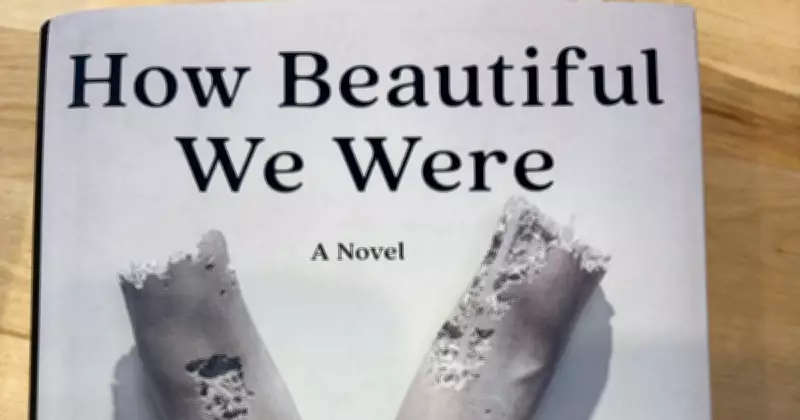
4. How Beautiful We Were by Imbolo Mbue
Set in the fictional village of Kosawa, this novel feels painfully authentic in its portrayal of villagers resisting an American oil company whose drilling operations have poisoned their land and water sources.
How Beautiful We Were unfolds through multiple perspectives, particularly members of the Nangi family, spanning decades of resistance. Mbue draws inspiration from environmental struggles in regions like the Niger Delta and activists including Ken Saro-Wiwa, embedding historical resonance throughout the narrative.
This work transcends environmental fiction to explore power imbalances, corporate greed, political complicity, and the costs of confronting oppressive systems. The deliberate pacing allows readers to immerse themselves in community experiences, understanding what's at stake and recognizing hope that remains bruised yet persistent.
5. A Spell of Good Things by Ayòbámi Adébáyò
Few contemporary novels capture Nigeria's social divides with such tenderness and tension. Wúràolá, a young doctor from a wealthy family, navigates pressures from her demanding career, family expectations, and relationship dynamics.
Meanwhile, Eniolá experiences public shame after his father's job loss plunges the family into debt and poverty, his world shrinking as survival becomes urgent. Their parallel lives occasionally intersect before building toward a devastating collision.
Adébáyò writes patiently, presenting full family dynamics—interfering aunties, quiet sacrifices, generational burdens—while weaving political corruption, social injustice, mental strain, and violence against women into everyday experiences rather than abstract issues. This novel explores class, dignity, and complicated choices people make when pushed to their limits.
These five books by African women belong together not merely for March reading or superficial representation but because they collectively confront silences surrounding sexuality, institutional power, poverty, environmental exploitation, and class inequality. They merge intimate and political dimensions seamlessly.
If your March reading requires depth, complexity, and voices resisting simplification, begin here. Read slowly, allow discomfort to resonate where necessary, and permit these stories to transform your perspective incrementally.