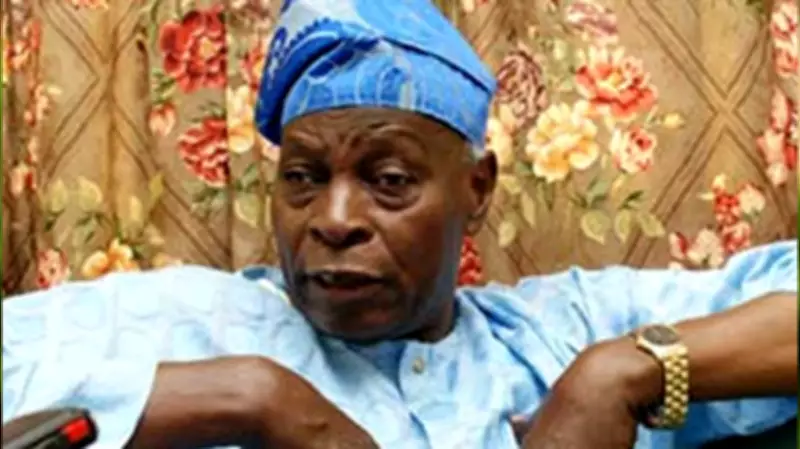
Mimiko Lauds Falae's Autobiography as Essential Historical Text on Nigeria
Former Governor of Ondo State, Olusegun Mimiko, has acclaimed the autobiography of elder statesman Oba Olu Falae as a profound and compelling narrative that meticulously documents Nigeria's political, economic, and democratic evolution. Speaking as the reviewer at the public presentation of the 501-page book titled 'The Triumph of Grace' on Thursday, Mimiko emphasized that this work transcends a mere personal memoir to serve as a critical historical document of national significance.
Book Captures Nigeria's Struggles and Hopes
Mimiko highlighted that the autobiography captures the country's intricate struggles, missed opportunities, and enduring hopes, making it an indispensable resource for understanding Nigeria's trajectory. He stated that the life and career of Falae, a former Secretary to the Government of the Federation and presidential candidate, are inextricably linked to the story of modern Nigeria, rendering this memoir essential for scholars and citizens alike.
Published in 2025 by Liwat Creations in Ibadan, the book spans 22 chapters, tracing Falae's journey from his early life in Akure through his roles in the civil service, banking, partisan politics, pro-democracy activism, business, and traditional leadership. Mimiko asserted that it would hardly be an exaggeration to suggest that the story of Nigeria over the last half-century cannot be fully told without referencing Falae's life and contributions.
From Development Planning to Federalism Debates
The former governor noted that Falae's record in public life elevates the book beyond personal recollection into a historical document of national relevance. He explained that from the era of national development planning, through the turbulent years of structural adjustment, to contemporary debates about restructuring and federalism, Falae was not just an observer but an active participant, offering unique insights into these pivotal periods.
Mimiko pointed to the opening chapters, which reveal the family values, discipline, and educational exposure that shaped Falae's worldview and public conduct. He particularly referenced an anecdote from Falae's years at Igbobi College, where school rules applied strictly to all students, regardless of status or background. In one instance, the late Ooni of Ife, Sir Adesoji Aderemi, was reportedly denied access to his son because it was not an official visiting day, illustrating an era when institutions maintained moral authority and rules were not bent for privilege.
Portrait of a Gifted Technocrat
On Falae's public service career, Mimiko described the autobiography as presenting the portrait of a gifted technocrat whose rise was driven by diligence, competence, and intellectual depth. A notable example cited was Falae's role as a young planning officer in drafting the Mid-West Regional Development Programme after the region's creation in 1963. Such commitment to duty, Mimiko said, partly explains why Falae rose to become a federal permanent secretary before the age of 39.
The book also offers useful insights into key policy debates that have shaped Nigeria's economic history, including the Second National Development Plan and the Structural Adjustment Programme (SAP). Mimiko concluded that this autobiography is not only a personal triumph but a vital contribution to the national archive, providing lessons and reflections for future generations navigating Nigeria's complex political landscape.