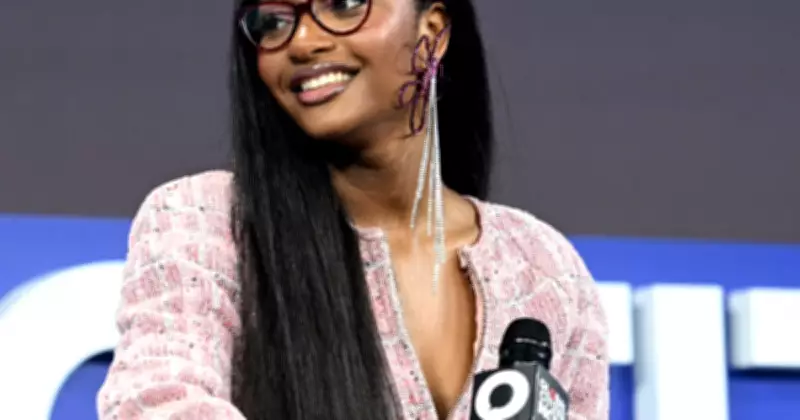
Ayra Starr, the Nigerian singer, has sparked a heated debate online after sharing her personal experience of growing up without stable electricity in Nigeria during the Global Citizen NOW summit in New York. Her candid remarks, delivered on Thursday, May 14, 2026, have divided opinion, reigniting discussions about how African artists represent the continent on global platforms.
Speaking during a session moderated by journalist Zain Asher, Starr reflected on her upbringing. She said, "Growing up in Nigeria, we didn't always have power. I'd have to wait till 6 pm for the power to come on so I could watch Hannah Montana. But even I, I was lucky. Some children in Africa don't have access to power at all. No child should be left in the dark." In a live panel, she added, "Every Nigerian child has faced some kind of electricity issue. My grandma used to sell tomatoes and peppers, and we had to sell it quick because we didn't have electricity to store them. Growing up, having electricity would have made a big difference."
Starr also acknowledged that the summit broadened her understanding of global energy solutions. "Before this, I didn't really know much about global energy solutions, I'm not going to lie. But I'm learning so much, and it's so inspiring," she said, expressing hope that younger Africans would develop renewable energy solutions for their communities.
Mixed Reactions Online
The online response was polarized. Some critics accused Starr of fitting into a troubling pattern where African artists must highlight hardship to gain credibility with Western audiences. They argued that platforms like Global Citizen often benefit from such narratives. However, many defenders countered that electricity instability is a documented infrastructure failure affecting most Nigerians, regardless of class, and that sanitizing the reality would be dishonest.
Global Citizen NOW, now in its fifth year, convened leaders from government, business, and entertainment at Spring Studios in Tribeca to address global challenges such as education, food security, clean energy, and health. Starr was the only Nigerian artist on the confirmed participant list.
The debate underscores the broader challenge African celebrities face when discussing continental issues on international stages. While some see Starr's comments as an honest reflection of everyday life, others view them as reinforcing negative stereotypes. As the conversation continues, it highlights the need for nuanced discussions about Africa's progress and challenges.