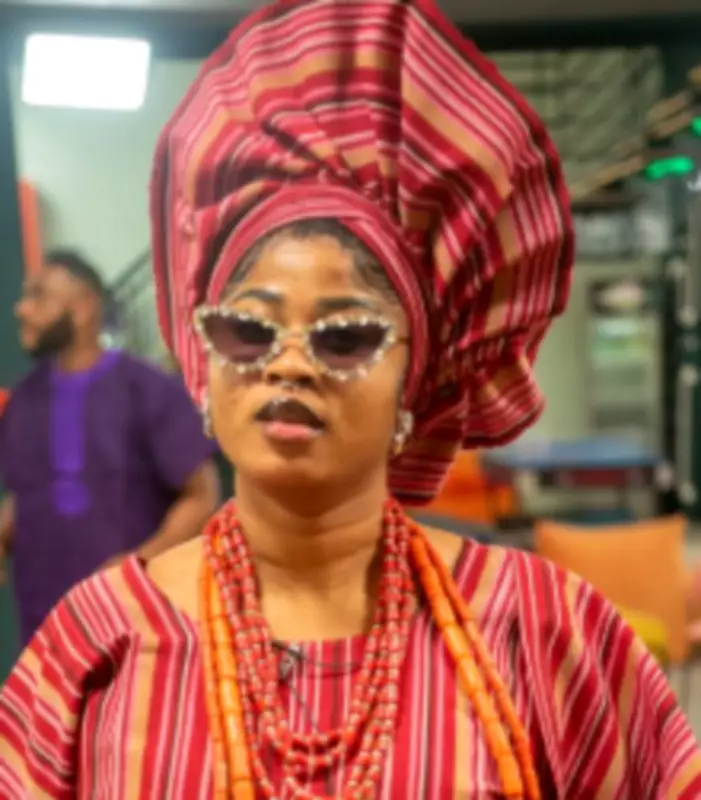
BBNaija Winner Imisioluwa Claps Back at 'Male-Centered' Allegations
Big Brother Naija Season 10 champion, Imisioluwa Ayanwale, has issued a firm response to recent claims labeling her as a "male-centered woman." The controversy ignited after a social media user left a critical comment on one of her posts, accusing the reality TV star of showcasing different men on her accounts daily.
The Accusation That Sparked the Debate
The commenter explicitly wrote, "You are so man centered. Everyday different men," directly challenging Imisioluwa's online behavior and personal choices. This remark quickly gained attention among fans and followers, prompting widespread discussion across various platforms.
Imisioluwa's Unapologetic Response
In her reply, the 23-year-old celebrity did not shy away from addressing the criticism head-on. She emphasized that the men she features on her social media profiles hold her in high regard and respect her deeply. Imisioluwa made it clear that she would rather be perceived as male-centered than as a "bitter and irrelevant" woman, standing firmly by her decisions and lifestyle.
Her statement reads: "I am respected by the men I show off, and I prefer to be male-centered than bitter and irrelevant." This bold declaration underscores her confidence and refusal to conform to societal expectations or negative judgments.
Analyzing the Broader Implications
This incident highlights several key issues within the entertainment industry and social media culture:
- Celebrity Scrutiny: Public figures like Imisioluwa often face intense scrutiny over their personal lives and social media activities.
- Gender Dynamics: The accusation of being "male-centered" touches on deeper conversations about how women are judged for their associations with men.
- Online Criticism: The ease with which individuals can leave harsh comments online continues to impact celebrities' mental health and public image.
Imisioluwa's response not only defends her personal choices but also challenges the double standards that female celebrities frequently encounter. By asserting her preference for being "male-centered" over bitterness, she reclaims her narrative and empowers herself against detractors.
Conclusion
As the story develops, it remains to be seen how this exchange will influence Imisioluwa's career and public perception. However, her unwavering stance serves as a reminder of the resilience required in the spotlight. Fans and critics alike will undoubtedly continue to watch her journey with keen interest.