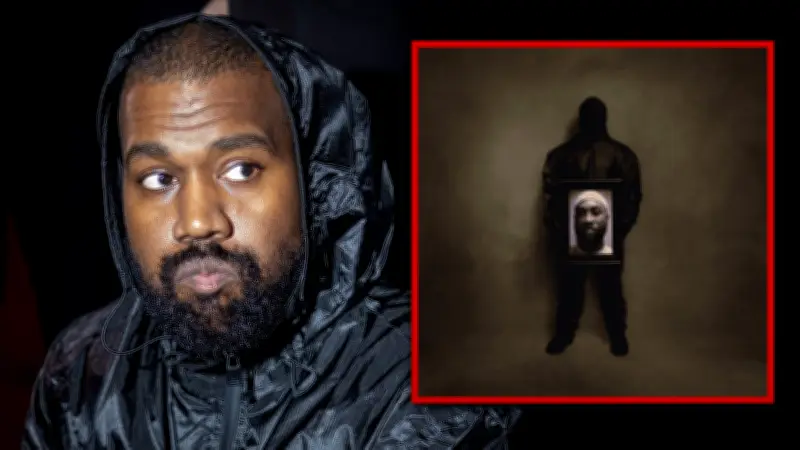
A music producer has filed a lawsuit against rapper Kanye West, alleging that he worked extensively on the artist's albums Vultures 2 and Bully but was never paid or properly credited for his contributions. The lawsuit, filed under the pseudonym John Doe, seeks at least $110,000 in unpaid compensation, according to reports.
Producer's Claims: AI Vocal Work and Unpaid Fees
According to the lawsuit, John Doe was brought onto the Vultures 2 project on August 1, 2024, just two days before the album's release. The producer claims West personally directed recording sessions during which he created more than 400 AI-generated vocal takes and at least 13 custom AI voice models. Doe was responsible for reconstructing vocals, converting performances into AI-generated versions of other artists' voices, and using his own recordings as source material for some of the final masters.
The lawsuit alleges that Doe's work appeared on five tracks from Vultures 2 and later contributed to two released songs on West's Bully project, as well as several unreleased tracks. The producer claims that members of West's team acknowledged his contributions in late 2024, discussed updating his credits on streaming platforms, and offered him a master buyout. However, Doe alleges that he never received payment or official credit despite repeatedly seeking compensation through West's business managers, including Milo Yiannopoulos.
Seeking Damages and Proper Credit
The producer is seeking at least $110,000 in unpaid compensation, comprising $80,000 for work on Vultures 2 and $30,000 for Bully, along with additional damages for his work on unreleased material. He is also asking the court to order West's companies to properly credit him on digital streaming platforms.
Representatives for Kanye West had not responded to requests for comment at the time the lawsuit was reported. The case highlights ongoing issues in the music industry regarding compensation and credit for producers, particularly those involved in AI-assisted production.
Impact on the Music Industry
This lawsuit underscores the growing legal complexities surrounding AI-generated content in music. As artists increasingly use AI tools to create vocals and other elements, questions about ownership, credit, and fair compensation are becoming more prominent. The outcome of this case could set a precedent for how AI-assisted production is handled in future contracts and disputes.
For now, John Doe's lawsuit remains pending, and the music industry watches closely to see how the courts will address these novel issues.