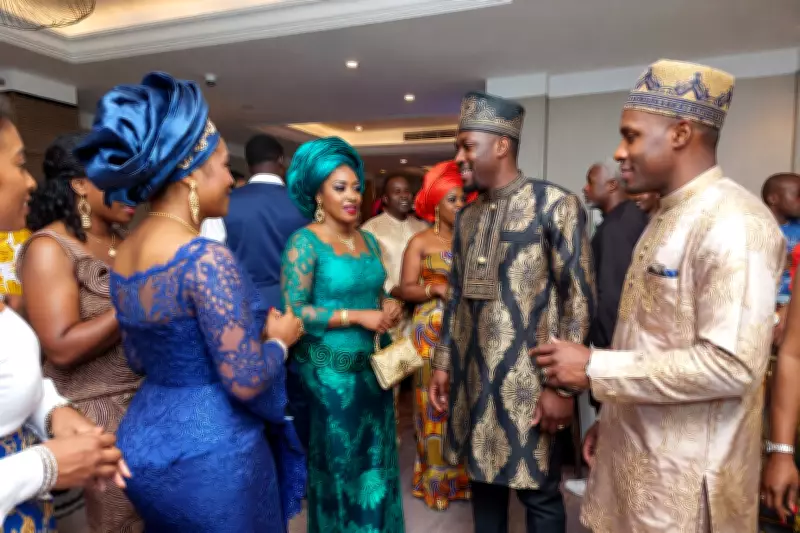
If you have just received a Nigerian wedding invitation and are wondering what to wear, you are not alone. After extensive research across Lagos, Abuja, Enugu, Kano, and Port Harcourt, combined with conversations with fashion designers and wedding planners, this guide provides everything you need to know. The short answer is that guests dress beautifully and with cultural intention. The fuller answer is more detailed and useful.
What to Wear as a Guest to a Nigerian Wedding
A Nigerian wedding is not a low-key affair. Whether it is a Yoruba traditional ceremony in Ibadan, an Igbo white wedding in Enugu, or a Hausa-Fulani nikah in Kano, these celebrations honour community, family, and cultural pride. Guests wear vibrant traditional attire for the traditional introduction ceremony, smart formal or traditional wear for the white wedding, and their absolute best for the reception. The National Council for Arts and Culture recognises Nigerian traditional dress as a living cultural institution, and this is most visible at a wedding reception where hundreds of guests look extraordinary.
For a traditional wedding, guests are expected to wear Nigerian traditional attire: ankara prints, aso-oke fabric, George fabric, lace, or adire. Men wear agbada, kaftan, or native suits. Women wear buba and iro combinations, skirt-and-blouse sets in heavy lace, or elaborate gown cuts. Aso-ebi, the coordinated fabric distributed by the couple's family, is worn by close friends and relatives. If you receive aso-ebi, wear it. If not, wear your finest traditional attire or elegant formal wear.
For a white wedding church service, female guests wear cocktail dresses, midi-length dresses, or formal suits. Men wear well-fitted suits or native wear. The reception is the main event, where guests wear their absolute best: heavy lace, statement gele, coral bead accessories, embroidered agbada, tailored senator wears, and brocade skirt sets. Budget between 80,000 and 300,000 naira for a well-made guest outfit at a high-society reception, though beautiful options exist at lower price points.
Proper Wedding Attire for Guests at Nigerian Ceremonies
For Women Attending Traditional Weddings
The gold standard is a two- or three-piece outfit in a statement fabric: heavy lace over a lining, aso-oke buba and iro, or a structured gown in George fabric. The head tie (gele) is essential. Professional gele tyers charge between 15,000 and 50,000 naira, and the price is worth it. Accessories such as coral beads, gold jewellery, statement earrings, and a coordinated handbag complete the look. Shoes should be block heels or wedges for outdoor ceremonies.
For Men Attending Traditional Weddings
Agbada remains the prestige choice, particularly for Yoruba weddings. A full three-piece agbada in aso-oke or brocade communicates that you take the event seriously. Kaftan suits are popular at Hausa and northern Nigerian weddings. Native suits (senator wear) are smart and well-fitted. A matching cap is non-negotiable.
For White Wedding Church Services
Women should wear midi dresses, wrap dresses, structured suits, or Nigerian formal wear in moderate fabrics. Avoid white or ivory, which is reserved for the bride, and excessively bright colours. Pastels, deep jewel tones, and classic prints work well. Men should wear well-fitted suits in navy, charcoal, or khaki, or kaftan or senator wear.
For Cross-Cultural and Inter-Ethnic Weddings
Nigeria's diversity means many weddings blend traditions. It is always appropriate to ask the couple which ethnic tradition's aesthetic to lean into. Garments like agbada, buba, iro, and gele have become shared national expressions of celebration, as documented by the Federal Ministry of Information and National Orientation.
What to Wear to an African Wedding as a Guest (Female Edition)
International guests, diaspora Nigerians, or friends from other African countries should err towards over-dressing rather than under-dressing. Nigerian weddings call for colour, fabric richness, and effort. If you are Nigerian or of Nigerian heritage, traditional attire is always the right choice. Pick a fabric that works for the season: heavier aso-oke and thick lace for the dry Harmattan season (November to March), lighter lace, organza, or soft ankara for the humid wet months (April to October).
International guests have two excellent options. The first is to embrace Nigerian traditional attire fully: visit a market, pick a fabric, and have it sewn into an appropriate style. This is cultural appreciation, not appropriation, and Nigerians welcome it. The second option is to wear a formal evening gown or sophisticated cocktail dress in a bold colour. Avoid plain black, white, or overly casual fabrics like wrinkled linen. If aso-ebi fabric is distributed, purchasing and wearing it shows solidarity. The fabric typically costs between 15,000 and 80,000 naira, and you need at least three to four weeks for tailoring.
Bold, celebratory colours are preferred: emerald green, royal blue, burnt orange, deep purple, burgundy, and gold. Mustard yellow has been popular recently. Avoid wearing the same colour as the bride's stated colour theme without checking first.
Nigerian Wedding Guest Attire by Ceremony Type: A Comparison
For a traditional introduction, women wear aso-ebi fabric or statement lace with gele, and men wear agbada or kaftan with a matching cap. Budget ranges from 60,000 to 250,000 naira. Key accessories include gele for women and cap for men. For the main traditional wedding, women wear heavy lace or aso-oke buba and iro with full gele, and men wear full agbada in aso-oke or brocade. Budget ranges from 80,000 to 350,000 naira. Statement jewellery is key. For the white wedding church service, women wear midi dresses, formal suits, or smart native wear, and men wear fitted suits or senator wear. Budget ranges from 40,000 to 150,000 naira. Elegant shoes are essential. For the reception, women wear their absolute best: heavy lace or embroidered gown, and men wear full agbada or embroidered kaftan. Budget ranges from 100,000 to 500,000 naira and above. Accessories include gele, beads, and clutch. For Hausa or Islamic nikah, women wear modest covered attire in rich fabrics, and men wear kaftan or babariga. Budget ranges from 50,000 to 200,000 naira. Head covering is essential for women. For registry or courthouse ceremonies, smart casual to formal attire is appropriate, with budgets from 30,000 to 100,000 naira.
What Do Guests Wear to Nigerian Weddings: A Direct Answer
Guests wear traditional Nigerian attire at traditional ceremonies, smart formal wear at church services, and their finest outfits at receptions. The most common fabrics are lace, aso-oke, George fabric, and ankara prints. Women almost always wear a gele at traditional events. Men wear agbada, kaftan, or senator wear with a matching cap. Key garments include aso-ebi fabric, heavy lace buba and iro, aso-oke, full agbada, kaftan suits, senator wear, ankara print gowns, George fabric outfits, formal evening gowns, and well-fitted suits. Showing up underdressed communicates a lack of respect, while dressing beautifully is always warmly received.
What Is Not Appropriate to Wear as a Nigerian Wedding Guest
Avoid white or off-white as the dominant colour, as this is the bride's colour at a white wedding. Avoid mourning colours as your primary palette; black can be tricky and may be considered odd or offensive in some communities. Avoid overly revealing or body-baring clothing, such as deeply plunging necklines, very short hemlines, or sheer fabrics without lining. Avoid casual Western clothing like jeans, t-shirts, trainers, and casual summer dresses. Avoid the exact colour of the couple's bridal party if you know it in advance. Avoid synthetic fabrics that do not breathe, as Nigerian wedding venues can be warm. Avoid wearing another bride's aso-ebi to a different family's wedding, as this is considered poor form.
How to Dress Perfectly for a Nigerian Wedding: A Step-by-Step Guide
First, read the invitation carefully for dress code clues. Second, contact someone close to the family to ask about aso-ebi at least six weeks before the wedding. Third, choose your fabric and confirm it suits the ceremony type. Fourth, book your tailor with adequate time: at least three weeks for standard outfits, five to six weeks for complex designs. Fifth, arrange your accessories separately and in advance. Sixth, book a professional gele tier if you are a woman wearing traditional attire. Seventh, do a full outfit rehearsal at least two days before the wedding to ensure comfort.
Dressing Well for Nigerian Weddings Is an Act of Cultural Respect
Getting dressed for a Nigerian wedding is an act of love. When you take the time to source the right fabric, find a skilled tailor, book a gele tier, and choose appropriate accessories, you tell the couple and their families that you take their celebration seriously. You participate in a cultural tradition that represents something irreplaceable about Nigerian identity. Show up looking extraordinary, and you will feel it too.
Key Takeaways
- For traditional wedding ceremonies, always wear Nigerian traditional attire and, if you are a woman, invest in a professionally tied gele.
- Check with the couple or a family contact at least six weeks before the event to confirm aso-ebi availability, colour palette, and dress code.
- Avoid white, excessively revealing clothing, and casual Western dress at all Nigerian wedding events.
Frequently Asked Questions
What do guests wear to Nigerian weddings if there is no dress code on the invitation?
Default to Nigerian traditional attire or formal wear in a celebratory colour. Over-dressing is always safer than under-dressing.
Can non-Nigerian guests wear Western formal wear to a Nigerian wedding?
Yes, Western formal wear is acceptable, particularly at white wedding church services and receptions in urban cities. A formal suit, elegant gown, or sophisticated cocktail dress in a bold colour is perfectly received.
What is aso-ebi and do I have to wear it as a guest?
Aso-ebi is the coordinated fabric distributed by the couple's family for close friends and relatives. If you receive it and choose to participate, purchase and wear it. If not, wear your best traditional or formal attire.
How much should I budget for a guest outfit to a Nigerian wedding?
For a mid-range traditional outfit including fabric, tailoring, and gele tying, budget between 80,000 and 200,000 naira. For high-society weddings, budgets regularly reach 300,000 to 500,000 naira and beyond.
What colour should female guests avoid wearing to a Nigerian wedding?
Avoid white or ivory as your dominant colour, and exercise caution with black unless you know the couple's family is comfortable with it. Bright, celebratory colours are always the safest choice.
What do men typically wear to traditional Nigerian weddings?
Men typically wear agbada, kaftan, or senator wear with a matching cap.
Do I need to wear a gele as a female guest at a Nigerian wedding?
At traditional wedding ceremonies, a gele is a strong cultural expectation. For white wedding church services or registry ceremonies, it is optional.
What fabrics are most appropriate for Nigerian wedding guest outfits?
Lace, aso-oke, George fabric, brocade, ankara print, organza, and adire are all excellent choices. The prestige tier for traditional ceremonies is heavy lace, George fabric at Igbo weddings, and aso-oke for Yoruba ceremonies.
Can I wear trousers as a female guest to a Nigerian wedding?
Wide-leg or tailored trouser sets in appropriate fabrics are increasingly accepted at receptions in major cities. For more traditional or conservative ceremonies, skirts and wrappers remain the safer choice.
What should international guests wear to a Nigerian wedding for the first time?
International guests are advised to either embrace Nigerian traditional attire or wear a formal evening gown or suit in a bold colour. Asking the couple in advance is always a good move.
Is it appropriate to wear the same outfit to both the traditional ceremony and the reception?
Technically yes, though many guests change between events. For multi-day celebrations, a different outfit for each event is customary.
What should guests wear to a Nigerian Islamic wedding or nikah ceremony?
Modest attire is essential. Women should cover their arms and legs, and a head covering is respectful. Men typically wear kaftan or babariga. Avoid revealing or form-fitting clothing.