Peller Confirms Viral Car Destruction with Carter Efe Was Staged for Attention
Nigerian TikToker and streamer Hamzat Habeeb Adelaja, popularly known as Peller, has publicly admitted that the dramatic car-smashing incident with comedian Carter Efe during a February livestream was not a genuine conflict but a carefully orchestrated plan. The revelation confirms long-standing suspicions that the viral clash was staged to attract attention and secure financial rewards from sponsors.
The Planned Destruction and Immediate Backlash
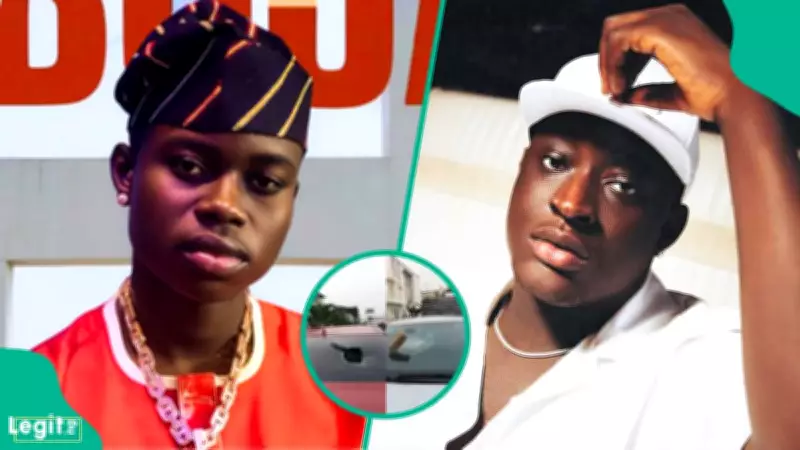
According to Peller, the entire event was designed as a strategic move to draw the interest of wealthy benefactors who would replace the damaged vehicles. The incident occurred shortly after Carter Efe received a brand-new 2025 Toyota Corolla as a birthday gift from billionaire businessman E-Money. During the livestream, Peller jumped on the roof of the gifted car, leaving a significant dent, while Carter Efe retaliated by smashing Peller's windscreen with a stone. Peller then responded by breaking the windscreen of the Corolla.
The footage quickly went viral across social media platforms, sparking widespread outrage from Nigerians who condemned the apparent waste of expensive automobiles that many citizens struggle for years to afford. Critics expressed frustration over what they perceived as irresponsible behavior by public figures, highlighting the economic challenges faced by ordinary people.
Peller's Explanation and the Resulting Rewards
During a recent livestream, Peller clarified the situation in a call with a close friend, stating that the act was purely for content creation and not driven by personal animosity. He explained that the destruction was a calculated strategy to transform viral attention into tangible rewards, a plan that ultimately succeeded. Peller emphasized that in real life, he and Carter Efe would never destroy each other's vehicles, describing the stunt as a method to "use money find money."
The strategy worked exactly as intended when billionaire E-Money intervened shortly after the incident, forgiving both men and providing substantial gifts. Peller received a brand-new car, while Carter Efe was given 5,000 euros to repair his damaged Toyota Corolla. This outcome validated their approach, demonstrating how staged controversies can lead to significant financial gains in the digital entertainment industry.
Public Reaction and Broader Implications
The admission has generated mixed reactions from netizens, with many expressing disappointment over the deceptive nature of the stunt. Social media users criticized the influencers for engaging in what they see as irresponsible clout-chasing behavior, arguing that such actions undermine genuine celebrity influence and set poor examples for followers. Comments highlighted concerns about the sustainability of such tactics and the ethical implications of staging conflicts for financial gain.
This incident underscores the growing trend where attention becomes a form of currency in the digital age, with influencers increasingly resorting to dramatic stunts to maintain relevance and secure sponsorships. It also raises questions about the authenticity of online content, as audiences become more skeptical of viral moments that may be manufactured for profit.
Additional Legal Challenges for Peller
In related developments, Peller is currently addressing a separate legal issue involving a ₦395 million lawsuit filed by a Lagos woman identified as Osarobo Odigie. The lawsuit stems from an exchange at a Lagos restaurant earlier this year, where Odigie alleges that Peller recorded and shared a viral video without her consent. During a livestream, Peller stated that he cannot pay the claimed amount and has apologized to Odigie, pleading for forgiveness. He suggested that critics are attempting to force him into financial hardship to appear on interviews featuring individuals facing difficulties.
The car-smashing revelation adds another layer to Peller's public persona, highlighting the complex dynamics of fame, content creation, and financial strategy in Nigeria's entertainment landscape. As influencers continue to navigate the pressures of maintaining visibility, such staged events may become more common, challenging audiences to discern between genuine interactions and calculated performances.