Nigerian Political Cartoon Satirizes Current Affairs and Governance Issues
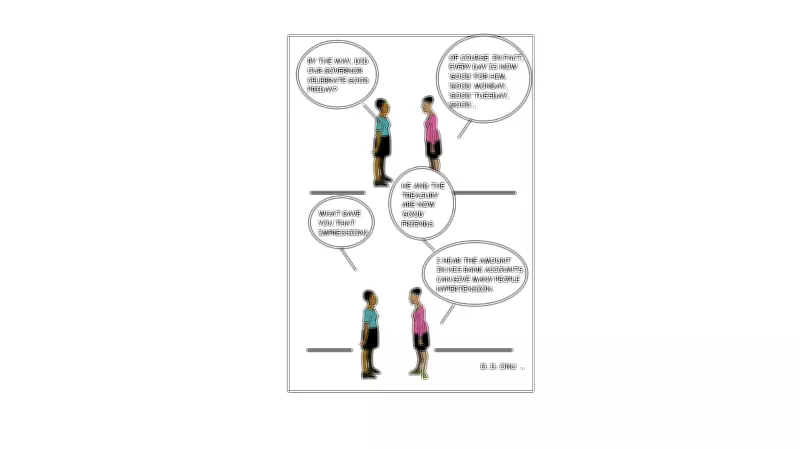
A recent political cartoon published in Nigeria has gained significant attention for its sharp and humorous take on the nation's current affairs and governance landscape. The cartoon, which uses satire as its primary tool, offers a witty critique of various political and social issues, resonating with many citizens who find it both entertaining and thought-provoking.
Satirical Commentary on Governance
The cartoon cleverly depicts key figures and events in Nigerian politics, using exaggerated imagery and clever captions to highlight perceived inefficiencies, corruption, and other governance challenges. By employing humor, it manages to address serious topics in a way that is accessible and engaging for a broad audience, encouraging public discourse and reflection on the state of the nation.
This approach is not new in Nigeria, where political cartoons have long served as a form of social commentary, providing a voice for the people and holding leaders accountable through satire. The latest installment continues this tradition, tapping into the public's sentiments and frustrations with current events.
Impact on Public Opinion and Media
The cartoon has sparked conversations across social media platforms and in local communities, with many praising its boldness and creativity. It serves as a reminder of the power of art and media in shaping public opinion and fostering civic engagement. By presenting complex issues in a simplified and humorous manner, it helps to demystify politics and make it more relatable to everyday Nigerians.
Moreover, such cartoons play a crucial role in the media landscape, offering an alternative perspective to traditional news reporting. They often highlight underlying societal tensions and provide a platform for critique that might otherwise be suppressed in more formal channels.
Historical Context and Cultural Significance
Political cartoons in Nigeria have a rich history, dating back to colonial times when they were used to challenge authority and advocate for independence. Today, they continue to evolve, adapting to new technologies and changing political climates. This latest cartoon is part of that ongoing legacy, reflecting contemporary concerns while drawing on a tradition of satirical art.
In a country where freedom of expression can sometimes be constrained, cartoons offer a relatively safe space for dissent and commentary. They allow artists to push boundaries and provoke thought without always facing the same repercussions as written or spoken criticism.
Overall, the cartoon serves as a vibrant example of how humor and art can be powerful tools for social and political analysis in Nigeria. It not only entertains but also educates and inspires, contributing to a more informed and engaged citizenry.