Blind Cameroonian Artist Prince Aimé's Viral TikTok Anthem 'Viviane' Resurfaces After 20 Years
In a remarkable twist of fate, the song "Viviane," which many people have used in viral TikTok challenges, did not originate as a modern trend but emerged from a deeply personal experience that most listeners remain unaware of. Prince Aimé, the blind Cameroonian musician behind this viral sound, endured significant struggles, and his song faded into obscurity until a simple video by another African artist unexpectedly revived it decades later.
The Unexpected Revival of a Forgotten Classic
If you have scrolled through TikTok in recent months, you have likely encountered a familiar guitar hook combined with a soulful voice and melodious beats that instantly captivate. This sound is ubiquitous, appearing in flashy influencer transitions, football locker room banter, and casual skits from Gen Z creators. The anthem behind it is "Viviane," also known as "Vivienne," which has been used in countless dance duets across Africa and beyond.
What many do not realize is that this viral track was first recorded twenty years ago by a blind Cameroonian musician who never imagined his heartbreak anthem would one day become the soundtrack for a global generation. Prince Aimé remains a rising music icon as "Viviane" trends on TikTok, showcasing the blind Cameroonian artist's journey to global recognition.
Early Life and Musical Beginnings
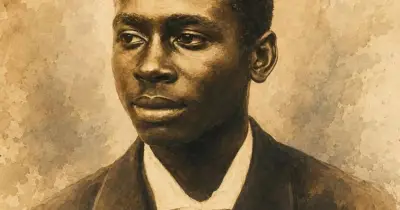
The man behind the viral sound is Clovis Feugan Tokam, now known worldwide as Prince Aimé. Born in Bahouan in Cameroon's West Region in 1975, his childhood was marked by more challenges than most children his age. His life changed drastically after his father's death when he was only nine years old, forcing him into adulthood prematurely. By the mid-1990s, he found himself at the Bulu Blind Centre in Buea, where he discovered music not just as entertainment but as survival. There, he mastered the guitar and learned to channel rhythms like Assiko and Bikutsi through his fingertips. His blindness became a different kind of vision, allowing him to interpret sound in ways that gave his music a unique depth.
The Heartbreak Behind 'Viviane'
In January 2004, Prince Aimé released "Viviane," a song born out of betrayal and heartbreak. The track painfully recounts a relationship that drained him emotionally and financially. The lyrics tell the story of a man who gave everything to a woman named Viviane, only to be abandoned when his money ran out. The song's opening lines, translated from French, express this anguish: "Viviane, you're the one who made me like this (Viviane oh) / Viviane, you're the one who emptied my pockets (Oh Viviane oh)." The narrative reaches its most painful point when Viviane denies ever knowing him, insisting she could never date a blind man. The song struck a chord in Cameroon, becoming locally popular, but like many African classics of that era, it eventually faded as new sounds emerged.
Struggles Abroad and a Quiet Return
In 2016, Prince Aimé traveled to Paris in search of better opportunities, but his experience became the opposite of what he imagined. He soon found himself battling poverty, to the point where he ended up begging on the streets to survive. The man who once performed proudly at home became almost invisible in a foreign land. His situation became so dire that he had to publicly appeal to fellow Cameroonians for help to buy a ticket back home. By 2021, he returned to Cameroon, living quietly between Yaoundé and Bafoussam, seemingly resigned to the idea that his days of musical relevance were over.
TikTok Resurrects a Classic
The turning point came almost twenty years after the original release when the internet unexpectedly breathed new life into "Viviane." In late 2024, Ivorian singer Debordo Leekunfa casually posted a video with his female friend Naomie Fouda, singing and vibing to the song. That simple, unrehearsed clip caught fire on TikTok, sparking a wave of viral content built around it. Debordo began performing it at his shows, and soon the track transformed into a massive TikTok anthem. Nigerian footballer Alex Iwobi and countless content creators joined in, giving the song fresh life and introducing its message of resilience and love beyond money to a new generation. The song became a trending challenge on TikTok, YouTube, and other social media platforms, prompting celebrities in Nigeria and across Africa, like Nollywood actress Regina Daniels, to join in the dance challenge.
A Second Act and Philanthropic Efforts
Prince Aimé, who once struggled to find enough money to travel back home, suddenly became the centre of continental attention again as millions of new listeners discovered his voice, turning him into a pan-African icon. He used this renewed fame to release several modern remixes of the track, including a high-profile collaboration with Nigerian Afrobeats superstar Yemi Alade. Not long after, he released an urban version of the "Viviane" remix featuring Maahlox Le Vibeur, Magasco, Lili Anoma, and Thérapie. His comeback was not just about music; he also launched the Vivian Foundation, an organisation dedicated to supporting and advocating for disabled communities across Africa.
From Pain to Global Recognition
Prince Aimé's journey from a blind boy in Bahouan to a struggling artist in Paris, and finally to a celebrated figure on global streaming platforms, demonstrates how music can outlive time and circumstance. What began as a private cry of heartbreak in a dusty corner of Yaoundé has now become a viral anthem embraced by millions, proving that true talent never really disappears; it simply waits for the world to catch up.