Daniel Radcliffe Advocates for Mandatory Therapy for Child Actors in Film Industry
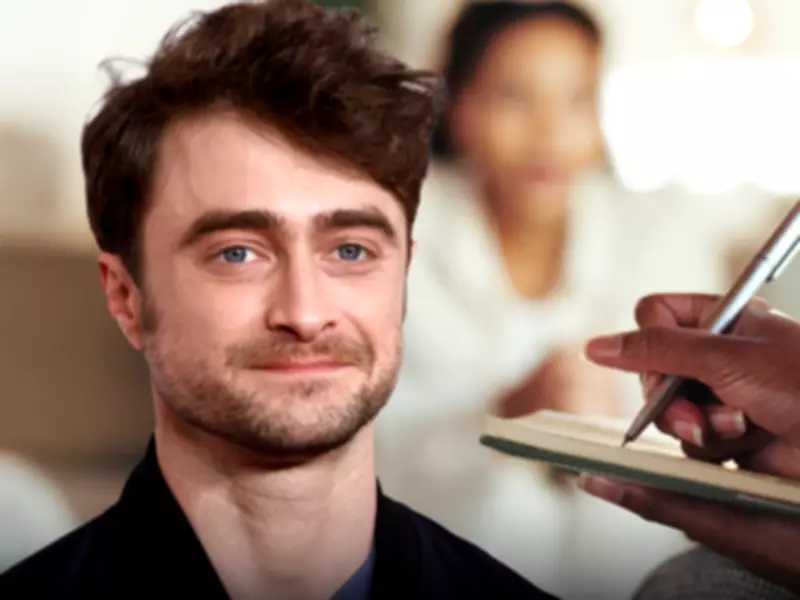
In a candid and heartfelt interview, Harry Potter star Daniel Radcliffe has spoken out about the intense pressures faced by child actors, proposing that professional therapy should not merely be encouraged but made mandatory for young performers in the entertainment industry. Radcliffe's views are shaped by personal reflections and the tragic experience of a fellow child actor who later died by suicide, highlighting the hidden struggles behind fame and success.
The Hidden Emotional Pressures of Child Stardom
During an interview published by Bustle in One Nightstand With Daniel Radcliffe, Radcliffe explained that the common public perception of child actors living a dream life can be deeply misleading. He noted that this assumption often masks the significant emotional pressure many young performers endure behind the scenes. According to Radcliffe, the actor who died by suicide believed he had no right to complain about personal struggles because the public assumed he had everything—fame, wealth, and success—which ultimately contributed to his tragic outcome.
Radcliffe argued that this misconception underscores why professional mental health support must be integrated into the industry from the very beginning of a young actor's career. He emphasized that therapy should be a standard part of the process, helping to address issues before they escalate and ensuring that child actors have the tools to navigate the unique challenges of stardom.
The Importance of Proactive Mental Health Support
Host Charlotte Owen pointed out during the interview that therapy can benefit even those who appear to be coping well, as it helps maintain mental wellbeing and prevent problems from arising. Radcliffe agreed wholeheartedly, stating that the best time to start therapy is before someone even believes they need it. This proactive approach, he suggested, could foster a healthier environment for child actors, reducing the risk of mental health crises and promoting long-term resilience.
Reflecting on his own early career, Radcliffe shared that when he began acting in the early 2000s in the United Kingdom, mental health resources were not widely emphasized within the industry. However, he expressed gratitude for having been surrounded by supportive people during his time working on the Harry Potter films, which he credited with making his experience as a young actor a positive one. Despite this, he stressed that not all child actors are as fortunate, and systemic changes are necessary to protect their wellbeing.
Call for Industry-Wide Changes
Radcliffe's advocacy extends beyond personal anecdotes to a broader call for industry-wide reforms. He believes that making therapy mandatory for child actors could set a precedent for better mental health practices in entertainment, ensuring that young performers receive the care and support they need from the outset. This, in turn, could help dismantle the harmful myth that fame and success equate to happiness, allowing for more open discussions about mental health in the public eye.
By sharing his insights, Radcliffe hopes to spark a conversation that leads to tangible changes, prioritizing the emotional and psychological health of child actors in an industry often criticized for its high-pressure environment. His message is clear: protecting the mental wellbeing of young performers is not just a recommendation but a necessity for a sustainable and humane entertainment landscape.