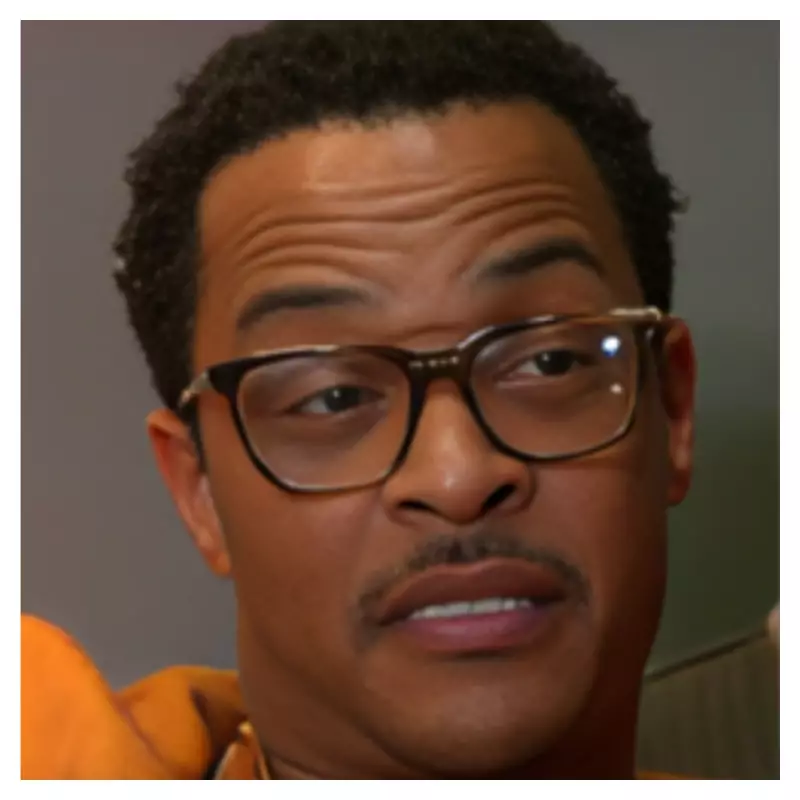
Popular American rapper Clifford Joseph Harris Jr., known globally as T.I., has sparked conversation with his candid views on organized religion. In a recent dialogue, the Atlanta-based artist explained his reasons for staying away from church services while firmly maintaining his identity as a Christian.
A Direct Faith, Without the Institution
The rapper shared his perspective during a frank discussion with renowned gospel singer Kirk Franklin. T.I. revealed he was raised in a devout Christian environment, crediting his grandmother and aunt for their strong prayer life. He expressed unwavering belief in God but admitted he has never felt an authentic connection to the church as an institution.
"I grew up in a strong Christian household. My grandma and auntie were very strong in prayer. I know how to pray, I know the word, and I know God is real," T.I. stated. "But I've never felt a connection with the church."
The Church as a 'Business' and a 'Show'
T.I. did not mince words in his critique, describing the modern church operation in stark terms. He accused it of functioning more like a commercial enterprise and a performance than a sacred space.
"To be honest, I don't think the church is real. I think it's a business. It's like a show. Public speaking. Like a TED Talk," he asserted. The rapper went further, alleging that some clergy members manipulate religious teachings for personal benefit. "And sometimes the clergies twist the word of God to benefit them."
Questioning Tithing and Rejecting Middlemen
A significant point of contention for the artist is the practice of tithing—the giving of a portion of one's income to the church. T.I. questioned the logic of financial obligation as a prerequisite for divine attention, using a relatable expression of disbelief.
"Y'all telling me I gotta pay somebody before my God can hear my prayer? Mehn, I'm out," he said, capturing his skepticism. Central to his philosophy is the rejection of any intermediary between himself and God. T.I. insists on a personal, direct relationship with the divine, eliminating the need for clerical intervention.
The conversation, which took place recently, highlights a growing sentiment among some believers who prioritize personal spirituality over institutional religious practice. T.I.'s comments, made on December 16, 2025, continue to resonate and fuel discussions about faith, authenticity, and the role of the modern church.