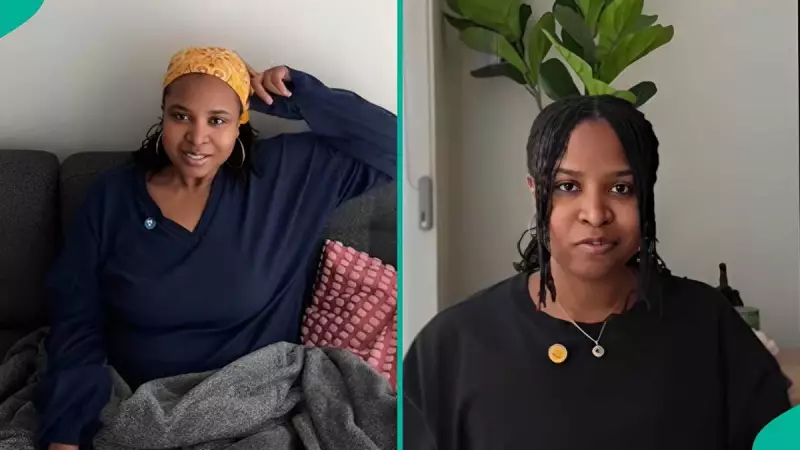
Nigerian Student Recalls Painful Church Experience: Forced to Sell Laptop for Donations
A Nigerian lady has shared a deeply personal and troubling experience from her student days, revealing how a popular church pressured her into selling her laptop to make donations. The story has gone viral on social media, sparking widespread discussion about religious practices and financial pressure within religious institutions.
The Unforgettable Campus Church Experience
The lady, who studied in Ghana, decided to attend a well-known Nigerian church during her time as a student abroad. In a detailed TikTok video posted by user @thejenniferabah, she narrated how the church consistently emphasized the importance of giving and donations. She held various positions within the church community, which made the pressure to contribute even more intense.
When her pastor called for a special donation, the lady found herself in a difficult position. Without sufficient funds to meet the expected contribution, she made the drastic decision to sell her personal laptop and donate the proceeds to the church. This extreme measure would become a turning point in her relationship with the religious institution.
The Breaking Point and Departure
The situation reached its climax when the lady had to lie to her mother about what happened to her laptop. "I lied to my mother that my laptop was stolen," she confessed in her video caption. This moment of deception became her awakening, making her realize how far she had gone to meet the church's expectations. She stated that this was the precise moment she knew she had to leave the congregation.
In a particularly revealing comment, the lady added another disturbing detail about her departure. "The pastor didn't actually call me to ask why I didn't come to church that day," she explained. "He came to my hostel! It was actually an in-person conversation. I was shocked." This personal visit to her accommodation further highlighted the intense pressure she felt from church leadership.
Social Media Reactions and Shared Experiences
The viral video has prompted numerous reactions from social media users who have had similar experiences with religious institutions:
- Nailtechindelta commented: "I'm still a member, but yes it's Christ Embassy. I left the campus fellowship while in school too because how do you expect students to get that much money to always give? Nobody can guilt trip me."
- Chisomo Z Turner responded with relief: "Omg, thank God I was so broke in school. I couldn't even afford to pay attention."
- nkeirukaamanda shared a similar pressure tactic: "In 100l we were asked to write on a piece of paper how much we would give. The pastor looked at it and gave it back to some of us, and said that's not what the Holy Spirit is telling."
- iamcynthingy questioned the balance between religious and academic commitments: "Church activities everyday of the week? So which day is for school?"
Broader Context of Church Donation Controversies
This incident is not isolated within Nigerian religious circles. Recent stories have highlighted various controversies surrounding church donations:
- A lady accidentally sent N100,000 to her pastor instead of N10,000
- A pastor explained why he gave his first car to his wife and continued trekking
- Another pastor caused a scene by rejecting a N30 offering from a woman after preaching to bus passengers
These cases collectively raise important questions about financial expectations within religious communities, particularly when they involve students and young people with limited resources. The pressure to give, even at personal sacrifice, has become a significant concern for many who participate in religious activities while pursuing their education.
The lady's story serves as a cautionary tale about the potential for religious institutions to overstep boundaries when it comes to financial contributions. Her experience has resonated with many who have felt similar pressures, sparking important conversations about healthy religious practices and financial boundaries within faith communities.