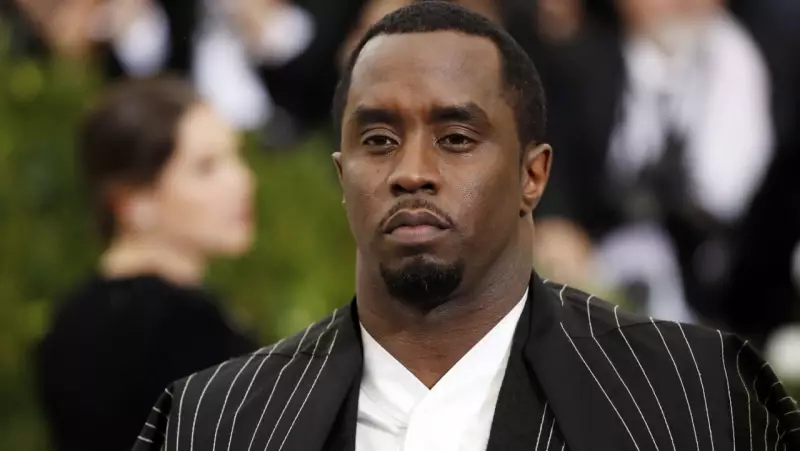
In a significant development, United States President Donald Trump has publicly rejected a plea for clemency from incarcerated music mogul Sean "Diddy" Combs. The hip-hop icon, currently serving a four-year sentence, had formally asked the President for a pardon, but his request was turned down.
Trump's Firm Stance on High-Profile Pardons
President Trump made his position clear during an interview with The New York Times, published on Thursday, January 9, 2026. When questioned about Combs's appeal, Trump confirmed he had received a letter from the artist but stated he was "not inclined to grant it." This decision adds Combs to a growing list of prominent figures being denied presidential clemency by Trump.
The 56-year-old Combs was convicted in July of the previous year on two counts related to transporting individuals across state lines for prostitution. However, a jury acquitted him of the more severe charges of sex trafficking and racketeering. His legal team's attempt to secure a pardon has now hit a major roadblock with the President's declaration.
A Broader Pattern of Denials
Trump's interview revealed that his reluctance to issue pardons extends beyond the music industry. He explicitly stated he does not plan to grant clemency to several other high-profile individuals. These include:
- Nicolas Maduro: The deposed Venezuelan leader, recently seized by U.S. forces, who is facing drug trafficking charges.
- Sam Bankman-Fried: The disgraced cryptocurrency tycoon serving a 25-year prison sentence.
- Robert Menendez: The former Democratic senator convicted of accepting bribes and serving an 11-year term.
When specifically asked about pardoning Maduro, Trump's response was a simple, "No, I don't see that." The President was also questioned about the possibility of pardoning Derek Chauvin, the former Minneapolis police officer convicted of murdering George Floyd in 2020, but Trump said he had not been asked about it.
Contrast with Previous Pardon Actions
This current stance marks a contrast to some of Trump's earlier actions regarding presidential pardons. Notably, on his inauguration day, he pardoned more than 1,500 people connected to the January 6, 2021, attack on the U.S. Capitol. He has also issued a slew of pardons to other political loyalists since taking office.
Furthermore, in November of the previous year, Trump granted clemency to Honduran ex-president Juan Orlando Hernandez, who was serving a 45-year sentence for drug trafficking. This makes his blanket rejections for figures like Combs, Maduro, and Bankman-Fried particularly noteworthy and suggests a selective approach to his pardon power.
For Sean "Diddy" Combs, this rejection means he must continue serving his four-year sentence, with the prospect of an early release via presidential intervention now seemingly off the table. The decision underscores the unpredictable and often controversial nature of the U.S. presidential pardon system.