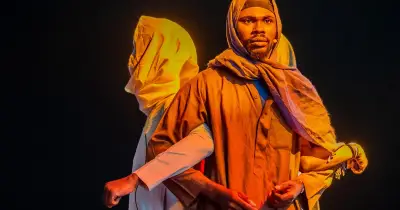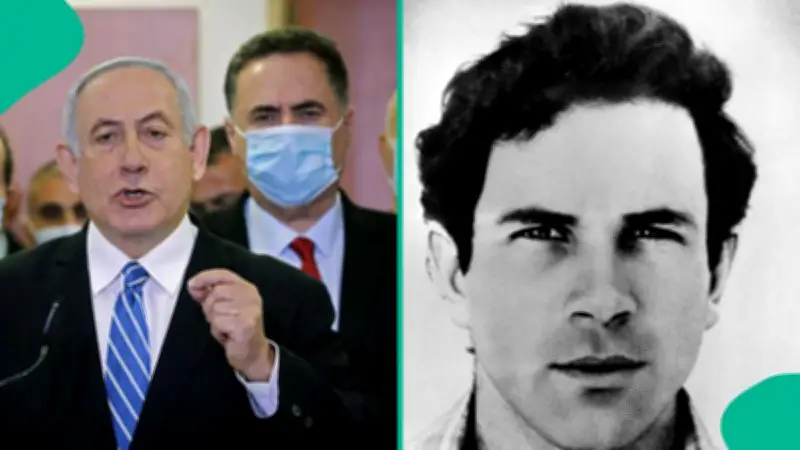
Uganda has unveiled a statue of Yonatan Netanyahu, the Israeli commando and older brother of Prime Minister Benjamin Netanyahu, at the site of the 1976 Entebbe hostage rescue, marking 50 years since the dramatic operation. The monument, which shows Netanyahu striding forward carrying a machine gun, was erected outside the old terminal building at Entebbe's international airport, where Israeli commandos freed more than 100 hostages on 4 July 1976.
Unveiling Ceremony Led by Uganda's Army Chief
Uganda's army chief, Gen Muhoozi Kainerugaba, son of former president Yoweri Museveni, presided over the unveiling. According to BBC, Kainerugaba said the statue honoured Netanyahu's "courage and selfless service" and described the Entebbe episode as "one of the most significant episodes in modern history." The ceremony took place outside the old terminal, a site that holds deep historical significance for both nations.
How the Entebbe Crisis Unfolded
The crisis began on 27 June 1976, when an Air France flight that had departed Tel Aviv made a stopover in Athens, where hijackers from the Popular Front for the Liberation of Palestine boarded the aircraft along with two German accomplices. They seized control and forced the plane to divert first to Libya for refuelling, then on to Uganda, where the then-dictator Idi Amin welcomed it upon landing.
The hijackers demanded $5 million and the release of 53 militants held across Israel, France, Germany, Switzerland and Kenya. They freed a number of hostages on 30 June and 1 July but kept Israeli and Jewish passengers on board. On 3 July, Israeli elite commandos flew in via Kenya and stormed the terminal in an operation that lasted under 90 minutes.
Casualties and Aftermath
Three hostages, Jean-Jacques Mimouni, Pasco Cohen and Ida Borochovitch, died during the raid. A fourth, Dora Bloch, was later murdered in a Kampala hospital while receiving treatment there. All the hijackers and three accomplices, as well as at least 45 Ugandan soldiers, were killed in the fighting. Yonatan Netanyahu was the only Israeli soldier killed during the rescue.
Uganda and Israel's Ties Today
Kainerugaba acknowledged that the events of 1976 represented "a painful chapter in our history" but said the relationship between the two countries had since grown into "a remarkable journey" built on "mutual trust, respect and co-operation." Speaking about the Ugandan soldiers killed while serving under Amin's government, he said they had "fought valiantly... in what they believed was a justified cause," before adding that Amin's regime "was a brutal dictatorship which did not represent the Ugandan people."
Kainerugaba also paid tribute to all those who lost their lives during the crisis. "May their memories continue to inspire future generations in the pursuit of peace, justice and human dignity," he said. Prime Minister Benjamin Netanyahu visited Entebbe about a decade ago, where he reflected on his brother's legacy: "I learned from my brother that you need two things to defeat the terrorists: clarity and courage."
Context and Related Developments
The unveiling comes at a time of strengthened bilateral ties between Uganda and Israel, with cooperation in security, agriculture, and technology. In a related development, US President Donald Trump on Monday dismissed suggestions that Israeli Prime Minister Benjamin Netanyahu could be arrested during his upcoming visit to New York City for the United Nations General Assembly in September. His comments came after New York City Mayor Zohran Mamdani said his administration was exploring whether it had any legal authority to act against Netanyahu.