Social Media Activist VDM Details Unusual DSS Contact Over Alleged Protest Plan
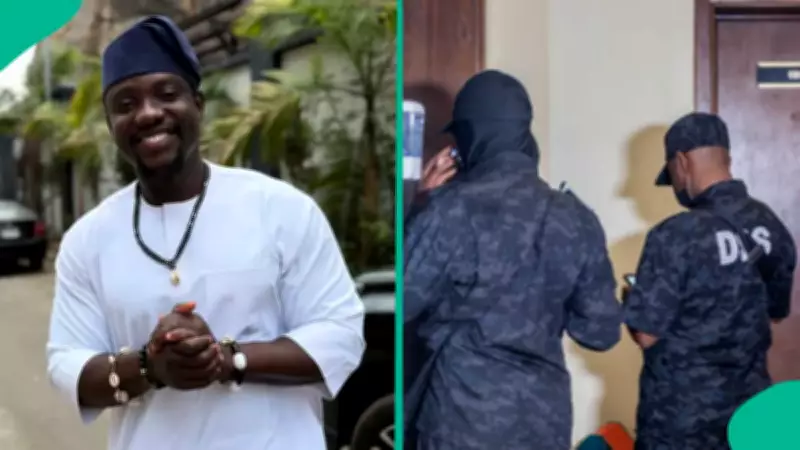
Social media activist Martins Vincent Otse, widely known as VDM, has publicly disclosed that operatives from the Department of State Services reached out to him regarding intelligence reports linking him to a planned protest aimed at causing unrest in Nigeria. In a video posted on his Instagram page on Tuesday, April 7, 2026, VDM expressed surprise at the contact and firmly denied any involvement in such activities.
VDM Denies Allegations of Political Contract and Protest Mobilization
According to VDM, the DSS informed him that they had received reports suggesting he had been contracted by the African Democratic Congress to organize a large-scale protest targeting key institutions like the Independent National Electoral Commission and the ruling All Progressives Congress. "DSS called me this morning and told me that they heard that I've been contracted by ADC to lead a protest, hereby causing unrest in the country," he stated in the video. He vehemently rejected these claims, emphasizing that he has no political affiliations with ADC, APC, or the Peoples Democratic Party.
VDM described himself as an independent voice focused on governance and security issues affecting ordinary Nigerians. He criticized the notion that celebrities should influence voting decisions, arguing that "If Nigerians need somebody to convince them to vote for somebody then Nigerians are not ready." This statement underscores his stance against entertainers who openly campaign for politicians.
Activist Voices Concerns Over Security Situation and Governance
Beyond the DSS incident, VDM expressed deep dissatisfaction with the current security landscape in Nigeria, drawing comparisons to past protests involving President Bola Ahmed Tinubu. He reiterated his role as a watchdog, positioning himself as a "fourth arm of government" dedicated to holding authorities accountable without partisan bias.
In related developments, VDM has also been involved in a legal case against businessman Linus Williams Ifejirika, known as Blord, which led to Blord's remand in Kuje prison over charges of impersonation. VDM indicated a willingness to settle the matter if specific conditions are met, though details remain undisclosed. Meanwhile, Blord has continued to promote his real estate projects from prison, sharing videos of a development he terms the 'new Banana Island in Anambra.'
The article, originally published by Olaniyi Apanpa, a seasoned journalist with expertise in entertainment and politics, highlights the ongoing tensions between activists and security agencies in Nigeria. VDM's revelations shed light on the pressures faced by independent voices in the political sphere and raise questions about the methods used by security operatives to monitor potential threats.