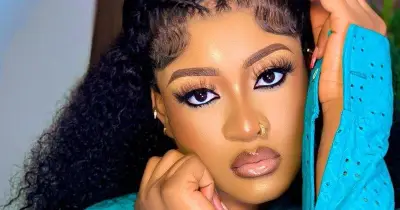
Big Brother Naija, once Nigeria's most dominant entertainment franchise, is witnessing a noticeable decline in viewer engagement, with Season 11 tagged "Show Ya Sef" premiering on July 26, 2026, to underwhelming reactions despite a record N160 million prize. The show, which previously commanded national attention and turned housemates into household names, now faces challenges from social media, changing viewer expectations, economic pressures, and a more competitive entertainment landscape.
From National Obsession to Fading Interest
For years, Big Brother Naija was inescapable. Offices, salons, buses, campuses, and social media timelines buzzed with conversations about the latest housemate, fights, relationships, and evictions. Fans picked sides, celebrities joined in, and online communities formed around contestants. The anticipation of eviction nights and the drama inside the house were part of everyday Nigerian life.
However, the excitement has waned. Season 11, which featured 24 housemates competing for a record N160 million prize, was described by some viewers as underwhelming within days of its launch. Online debates emerged about the lack of memorable personalities and drama, signalling a shift in audience sentiment.

Housemates Now Play the Game Too Well
One of the biggest attractions of Big Brother Naija used to be the mystery. Fans were introduced to strangers and discovered their personalities alongside them. Nobody knew who would become the sweetheart, the villain, or the unexpected star. But now, many contestants enter the house with a deep understanding of reality TV mechanics. They know what gets people talking, which relationships build fanbases, and which arguments become viral clips.
This awareness has made the experience feel less spontaneous for viewers. Housemates are no longer just trying to survive the game; they are also building personal brands. Every conversation, friendship, disagreement, and romantic connection is seen as a strategic move. Once viewers suspect they are watching people who understand the game too well, the magic begins to disappear.
Social Media and Changing Viewing Habits
Social media has fundamentally changed how audiences consume Big Brother Naija. Previously, watching the show meant hours in front of the television. Now, fans can get the most important parts without the time commitment. A funny moment appears on TikTok, a fight lands on X, an emotional conversation makes its way to Instagram, and YouTube channels analyse the latest eviction. This has shifted the relationship between the audience and the programme, allowing fans to consume highlights rather than follow every conversation.
For a show whose greatest strength was making viewers feel they could not afford to miss a moment, this is a serious challenge. The all-access live stream, once available on Showmax, was discontinued across Africa in 2026 after MultiChoice reported unsustainable annual losses. The company migrated selected content to DStv Stream, further changing how and where viewers access the show.
High Expectations and Economic Pressures
Big Brother Naija is now competing with its own history. Fans have witnessed 10 seasons packed with unforgettable personalities, relationships, and controversies. The expectation is simple: every new season should produce another unforgettable character. Viewers compare current housemates not just with each other but with the best the franchise has produced, including Mercy Eke, Tacha, Ozo, Nengi, Teddy A, Bam Bam, Tobi Bakare, Erica, Uriel, Laycon, Whitemoney, and Phyna.
Economic challenges have also played a role. MultiChoice reported a decline in active subscribers in its 2025 financial results, with Nigeria accounting for more than half of the decline across its Rest of Africa business. The subscriber base fell from 14.9 million to 14.4 million in 2025. While not all those who stopped paying for DStv have stopped caring about Big Brother Naija, fewer people may be willing to maintain a traditional pay TV subscription primarily for a reality show.

The Rise of Alternatives and the Question of Authenticity
Big Brother Naija became a pop culture giant before TikTok, Instagram Reels, and the creator economy took over. Today, Nigerian viewers have countless alternatives: podcasts, skits, celebrity interviews, YouTube creators, TikTok personalities, international reality shows, and Netflix productions. The audience now has thousands of people competing for the same attention BBNaija once enjoyed almost exclusively.
The declining cultural power of its stars is also notable. Former winners like Efe, Mercy Eke, Erica, Laycon, and Phyna became household names. Today, a housemate can leave the house, gain hundreds of thousands of followers, and become a successful social media personality without necessarily becoming a national celebrity. The drama itself may no longer be enough, as audiences have become better at recognising and questioning whether moments are organic or calculated for airtime. This suspicion undermines the core appeal of reality television, which depends on the audience believing they are watching real people.
As Big Brother Naija continues to evolve, its ability to retain viewer attention will depend on whether it can adapt to these changing dynamics. The show's future hinges on recapturing the spontaneity and cultural resonance that made it a phenomenon, while navigating a fragmented media landscape and shifting audience expectations.