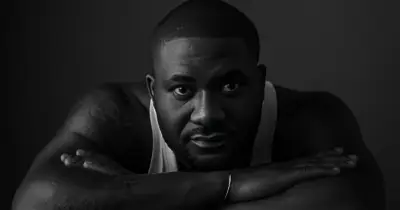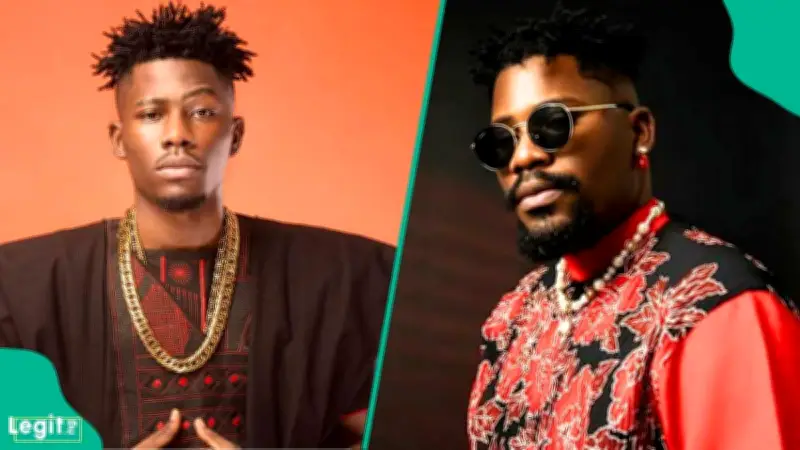
Nigerian rapper YCee has spoken candidly about living with bipolar disorder and the moment his treatment came to a halt after returning home to Nigeria. During an interview with Arise TV on July 19, 2026, the artist born Oludemilade Martin Alejo opened up about a mental health journey that began years before he ever had a name for what he was going through.
Diagnosis During COVID-19 Lockdown in London
According to YCee, he spent roughly six years experiencing symptoms before doctors in London finally arrived at a diagnosis of bipolar disorder in 2020, during the COVID-19 lockdown. 'I went through, like, different diagnoses before, you know, we arrived at that,' he said, recalling the drawn-out process of being in and out of hospital while in the UK.
London Changed His Perspective on Mental Health
YCee credited his time in London with opening his eyes to mental health as a subject he had never seriously engaged with before. He noted that the city's public health response during the pandemic went beyond physical illness, with visible support lines and widespread messaging around emotional wellbeing running alongside COVID-19 communications. 'I think before 2020, I don't think I'd even, like, ever said the phrase 'mental health' or, you know, come across that as a conversation, especially, you know, coming from Nigeria,' he admitted. That shift in awareness, he said, fundamentally changed how he sees life.
Treatment Halted in Lagos Due to Shortage of Professionals
The trouble began when YCee returned to Lagos and attempted to continue the treatment plan set up for him in the UK. The rapper said the experience quickly exposed just how limited Nigeria's mental healthcare infrastructure is, pointing to a severe shortage of psychiatrists, psychologists and related professionals as a key barrier. 'It's not even just lack of awareness, there's like, you know, lack of personnel,' he explained, referencing figures from around 2024 that he said pointed to a critically small number of mental health specialists working across the country.
Broader Healthcare System Failure
YCee was careful to frame the issue as part of a much larger systemic failure, arguing that Nigerians face difficulty accessing even basic medical care, let alone specialist support. 'You still have, like, people that can't necessarily access not even just premium healthcare, but reasonable healthcare,' he said.
Previous Controversy Over 'Olodo Uprising' Remarks
Earlier, Legit.ng reported that YCee responded to the backlash he faced after describing the rise of brain-rot content as the 'olodo uprising' and citing TikToker Peller as an example. Critics argued he could have made his point without mentioning Peller's name, while others debated whether success in entertainment should be tied to education. Responding in a Cool FM Lagos interview, YCee stood by his statement, refused to apologise, and stressed that his concern was about the growing popularity of content that prioritises entertainment over education.