Nigerian Muslim Groom Fires Back at Critic Over Wife's Wedding Attire
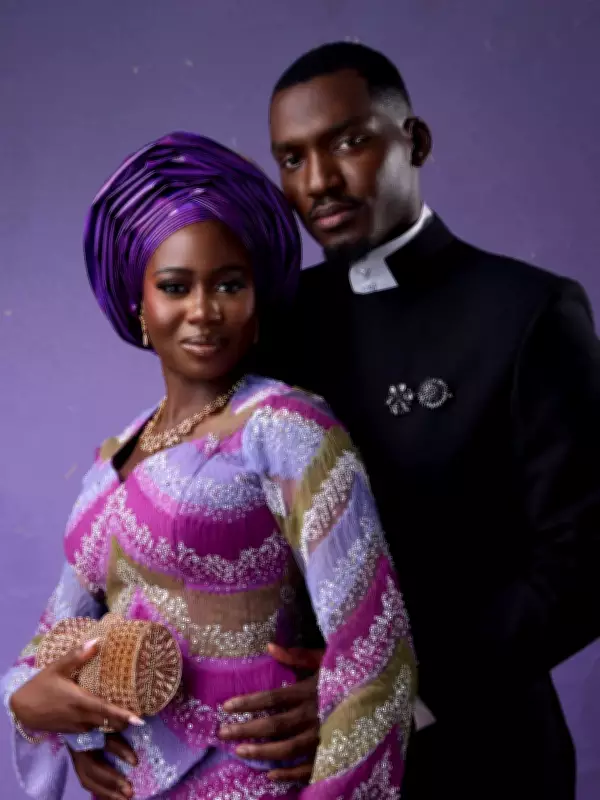
A Nigerian Muslim man, Abdulmalik Ashimi, has issued a sharp retort to an individual who publicly questioned the modesty of his wife's appearance during their wedding celebration. The incident unfolded on social media after Abdulmalik shared joyful photographs from his wedding reception held on Saturday, April 11.
Online Comment Sparks Heated Exchange
The controversy began when a user named Wasiu Ojobaro commented on the groom's post, suggesting that the bride's attire did not align with Islamic principles of modesty as commanded by Allah. This unsolicited critique quickly drew attention and ignited a broader conversation about personal boundaries and religious interpretation in the digital age.
In a direct and unfiltered response, Abdulmalik Ashimi clapped back at Wasiu, writing in Nigerian Pidgin English, "Your papa dey craze," which translates to "Your father is crazy." This fiery reply highlighted the groom's frustration with what he perceived as unnecessary and disrespectful commentary on a deeply personal and celebratory occasion.
Broader Implications for Social Media Etiquette
The exchange has resonated widely across Nigerian online communities, prompting discussions about the appropriate limits of public criticism, especially concerning religious and cultural practices. Many users have expressed support for Abdulmalik, arguing that wedding celebrations should be respected as private moments of joy, free from unsolicited judgments.
Others have noted the incident underscores the challenges of navigating social media, where personal events can quickly become subjects of public scrutiny. The groom's assertive response has been viewed by some as a stand against cyberbullying and the imposition of rigid standards on individual expression.
As the story continues to circulate, it serves as a reminder of the delicate balance between sharing life's milestones online and maintaining personal dignity in the face of criticism. The incident also reflects ongoing debates within Muslim communities in Nigeria about modesty, tradition, and modernity in contemporary society.