Hollywood Elite Unite Against Massive $110 Billion Studio Merger
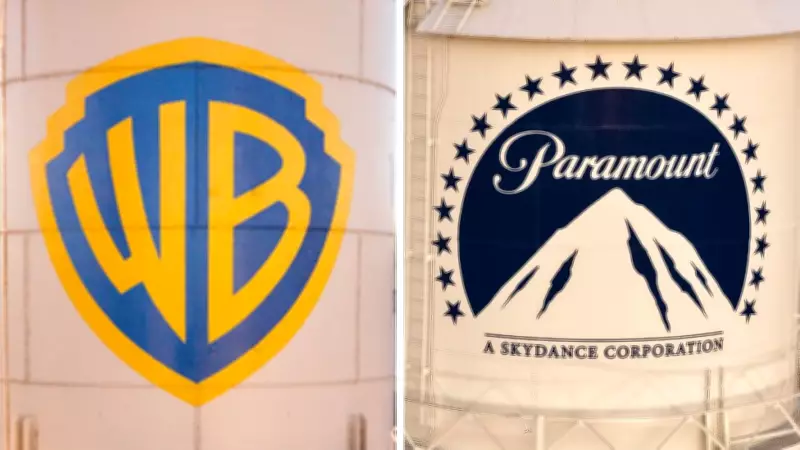
A powerful coalition of more than 1,000 filmmakers, actors, and entertainment industry professionals has formally declared opposition to the proposed $110 billion merger between Warner Bros Discovery and Paramount Skydance. The open letter represents one of the most significant industry pushbacks against media consolidation in recent years, with signatories warning of severe consequences for competition and creative diversity.
High-Profile Opposition from Industry Icons
Among the prominent figures lending their names to the protest are Academy Award winners Jane Fonda, Joaquin Phoenix, and Mark Ruffalo. These Hollywood veterans argue that the massive tie-up would dramatically reduce market competition and accelerate what they describe as a dangerous trend of consolidation within the United States media sector. The signatories maintain that such a merger would inevitably result in fewer opportunities for creators across the production spectrum.
The coalition predicts substantial job losses throughout the production ecosystem and warns that audiences would face higher costs for a narrower range of content choices. This industry resistance emerges during a period of significant transition for both studios, as the proposed deal would unite two of Hollywood's most storied film libraries while combining the streaming capabilities of Paramount+ and HBO Max into a single, massive digital platform.
Historical Context of Media Consolidation Concerns
The open letter highlights growing anxiety that previous waves of media consolidation have already suppressed the overall volume of films produced and limited the diversity of stories receiving financial backing. Industry analysts suggest that while the letter galvanizes internal opposition, the ultimate fate of the merger rests with federal and international regulators who have become increasingly wary of anti-competitive practices within big technology and media corporations.
The context of this opposition is further sharpened by existing legal and regulatory scrutiny. California Attorney General Rob Bonta has signaled a vigorous investigation into the transaction, and regulators in both the United States and Europe are expected to carefully weigh the potential impact on consumer choice and the broader creative community.
Broader Industry Implications and Regulatory Landscape
As the entertainment industry continues to recover from recent labor disputes and fundamental shifts in the streaming economy, the prospect of the "Big Five" major studios shrinking further has transformed this proposed merger into a central flashpoint for the future of American entertainment. The $110 billion deal represents not just a corporate transaction but a potential reshaping of the entire media landscape that could affect everything from independent film production to global content distribution.
The coordinated opposition from Hollywood's creative community underscores deep-seated concerns about monopolistic tendencies in media ownership. With regulatory bodies on both sides of the Atlantic preparing to examine the merger's implications, the coming months will likely see intensified debate about how to balance corporate growth with maintaining a vibrant, competitive, and diverse entertainment industry that serves both creators and audiences effectively.