Shark Tank's Biggest Busts: 10 Deals That Ended in Disaster
While Shark Tank has launched massive successes like Scrub Daddy and Bombas, the show has also seen significant investments vanish into complete disasters. From failed products and legal troubles to mismanagement, some deals that looked promising on TV collapsed quickly after airing. Here are 10 of the biggest busts in Shark Tank history.
1. Breathometer: The $1 Million Collapse
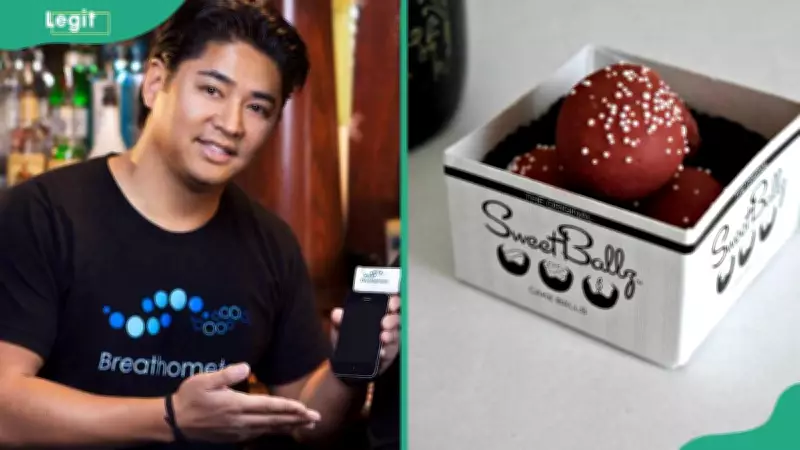
In Season 5, founder Charles Michael Yim pitched a portable, smartphone-connected breathalyzer that measured blood alcohol content. All five Sharks invested a combined $1 million for 30% equity. Despite early sales reaching $5.1 million, the company collapsed after the Federal Trade Commission investigated and charged it with making deceptive claims. Tests revealed the devices were frequently inaccurate, leading to a settlement requiring full customer refunds. Mark Cuban later called it his worst execution in Shark Tank history.
2. ToyGaroo: The Netflix for Toys Failure
Founder Nikki Pope pitched ToyGaroo as a subscription service for renting high-end toys in Season 2. Mark Cuban and Kevin O'Leary invested $200,000 for 40% equity. Despite a surge in demand after the episode aired, the company filed for Chapter 7 bankruptcy just one year later due to rapid growth mismanagement and high shipping costs. O'Leary famously labeled it his worst deal, citing strong concept but poor execution.
3. Sweet Ballz: Legal Drama Derails Deal
In Season 5, founders James McDonald and Cole Egger pitched mass-produced cake balls, securing a $250,000 investment from Mark Cuban and Barbara Corcoran for 25% equity. Days before the episode aired, McDonald sued Egger for starting a competing company, leading to a temporary restraining order. The Sharks withdrew during due diligence due to the strained relationship between founders. While Sweet Ballz survived under McDonald's control, it never became a billion-dollar brand.
4. The Body Jac: High Costs, Low Interest
Founder Jack Barringer pitched The Body Jac, a push-up assistance device, in Season 1. Barbara Corcoran and Kevin Harrington invested $180,000 for 50% equity. Despite Barringer's personal weight loss, the product failed to find a sustainable market due to high manufacturing costs and low consumer interest. Corcoran lost her entire $90,000 investment, calling it her worst business deal.
5. Show No Towels: Check That Never Cashed
Founder Shelly Ehler pitched ShowNo Towels, a privacy poncho for children, in Season 3. Lori Greiner famously wrote a check on the spot, offering $75,000 for 25% equity. The partnership fell apart quickly as Greiner's team tried to renegotiate for up to 65% equity. Limited distribution tests failed to turn into long-term sales, and the business closed in 2017.
6. Bubba Q's Boneless Ribs: Toxic Legal Breakdown
Former NFL player Al 'Bubba' Baker and his daughter Brittani pitched a patented method for de-boning ribs in Season 5. Daymond John invested $300,000 for 30% equity, leading to over $16 million in sales by 2017. However, the partnership collapsed in 2023 when the Baker family accused John of trying to take over the business and cutting them out of profits. John sued for defamation and won a permanent restraining order, stalling the business.
7. HyConn: Deal That Never Closed
Firefighter Jeff Stroope pitched the HyConn, a quick-connect adapter for fire hydrants, in Season 2. Mark Cuban offered $1.25 million to buy the entire company, but the deal never closed due to conflicting claims. Cuban accused Stroope of renegotiating for more money, while Stroope claimed Cuban's team tried to take away his licensing rights. Without Cuban's investment, HyConn struggled to grow beyond a small market.
8. You Smell Soap: Disappearing Shark
Founder Megan Cummins pitched a luxury soap line in Season 3, accepting $55,000 for 20% equity plus a $50,000 salary from Robert Herjavec. Cummins said Herjavec disappeared after filming, leaving her waiting six months to finalize paperwork and missing other investment opportunities. She eventually sold the brand in 2014 and moved on to other ventures.
9. PinBlock: Exposed Design Struggles
Founder Vladislav Smolyanskyy pitched PinBlocks, a flexible construction toy, in Season 8. Kevin O'Leary offered $100,000 for 50% equity, but the deal fell apart during due diligence. Smolyanskyy claimed O'Leary showed the product to a large toy corporation without him, after which a similar product appeared on the market. Without investment, PinBlocks struggled with high manufacturing costs and competition, closing around 2021.
10. Sullivan Generator: Bizarre Proposal
Mark Sullivan pitched the Sullivan Generator in Season 3, claiming it could harness Earth's rotation to generate electricity and produce gold. He asked for $1 million for 10% equity, but no deal was made. There has been no evidence the generator was ever built, making it one of the most eccentric pitches in Shark Tank history.
What Was the Biggest Failure on Shark Tank?
Breathometer is widely considered the biggest failure, as all five Sharks invested $1 million only for the FTC to order full refunds due to inaccurate products. Other notable busts include ToyGaroo and Sweet Ballz, which collapsed due to poor execution and legal disputes.
Did Breathometer Fail?
Yes, Breathometer failed spectacularly. The company was forced to shut down and refund millions to customers after the FTC found its breathalyzers were dangerously inaccurate, leading to a total loss of the Sharks' investment.
What Shark Tank Rejections Made It Big?
While some deals turned into disasters, rejections like Ring, Coffee Meets Bagel, and Chef Big Shake went on to achieve major success independently, proving that a Shark Tank rejection isn't always the end of the road.