The 2026 Sundance Film Festival is set to showcase a powerful selection of African cinema, with standout feature films and documentaries from Nigeria, Kenya, and South Africa earning coveted spots in its prestigious programme. This year's festival, running from January 22 to February 1, continues its tradition of platforming independent voices that challenge conventions and shape global film conversations.
Spotlight on Three Groundbreaking African Films
The selected films are not presented as mere cultural footnotes but as compelling cinematic works with distinct narratives rooted in specific histories and realities. Their inclusion signals a growing and consistent presence for African storytelling at one of the world's most influential film festivals.
Lady: A Nigerian Feature Navigating Lagos
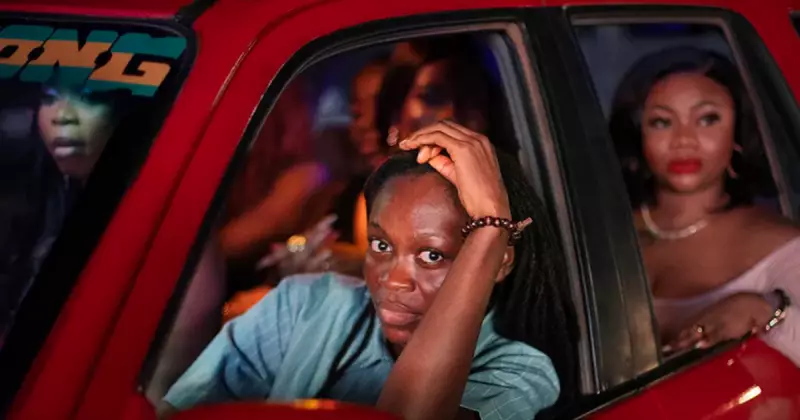
The Nigerian entry, Lady, marks a significant moment for Nollywood at Sundance. Written and directed by Olive Nwosu, this UK-Nigerian co-production is her debut feature film. It tells the story of a fiercely independent young woman making her living as a taxi driver in the sprawling metropolis of Lagos.
Her fragile stability is upended when the sudden removal of fuel subsidies destabilizes her income. This economic pressure forces her to reconnect with Pinky, a childhood friend now involved in sex work. The film explores the collision of economic hardship, female solidarity, and moral compromise in a city that offers few easy choices. Following Nwosu's acclaimed short Egúngún (Masquerade), Lady represents Nigeria's most significant feature presence at the festival in recent years, succeeding C.J. Obasi's Mami Wata.
Kikuyu Land: A Kenyan Documentary on Identity and Dispossession
From Kenya comes the documentary Kikuyu Land, co-directed by journalist Bea Wangondu and award-winning filmmaker Andrew H. Brown. The film begins as an investigation into a contemporary land dispute involving local government and a multinational corporation but evolves into a deeply personal reckoning with history and identity.
For the Kikuyu people, land is inseparable from self, yet colonial dispossession severed generations from their ancestral soil. Wangondu approaches the subject with journalistic rigor and personal vulnerability, gradually revealing her own family's buried wounds alongside worker testimonies and legal battles. The film continues the growing presence of East African cinema at Sundance, standing out for its powerful fusion of public history and private memory.
Troublemaker: Revisiting Mandela's Voice from South Africa
South Africa's contribution is the documentary Troublemaker, directed by Antoine Fuqua and shaped with anti-apartheid activist Mac Maharaj. The film offers an intimate portrait of Nelson Mandela by centering on his own voice, drawn from newly recovered audio recordings made while he was writing his autobiography, Long Walk to Freedom.
The title references Mandela's birth name, Rolihlahla, meaning "troublemaker," reframing his life as a conscious choice of resistance rather than a predestined heroic arc. The documentary weaves his personal narration with archival footage, Maharaj's testimony, and striking animated sequences by Thabang Lehobye. It examines his early years, political awakening, imprisonment, and presidency, restoring complexity to a figure often simplified by global symbolism.
A Broader Shift for African Storytelling
Together, these selections from Nigeria, Kenya, and South Africa reflect a meaningful shift in how African narratives are entering global film spaces. The festival's ongoing commitment to these voices moves beyond tokenism, pointing toward a future where African independent cinema is a regular and anticipated part of the international festival landscape.
The expectation is now for a steady, year-on-year presence where films from the continent can tell their stories authentically, on their own terms, to a worldwide audience. This year's Sundance lineup proves that African filmmakers are not just participating but are essential contributors to the evolving language of global cinema.