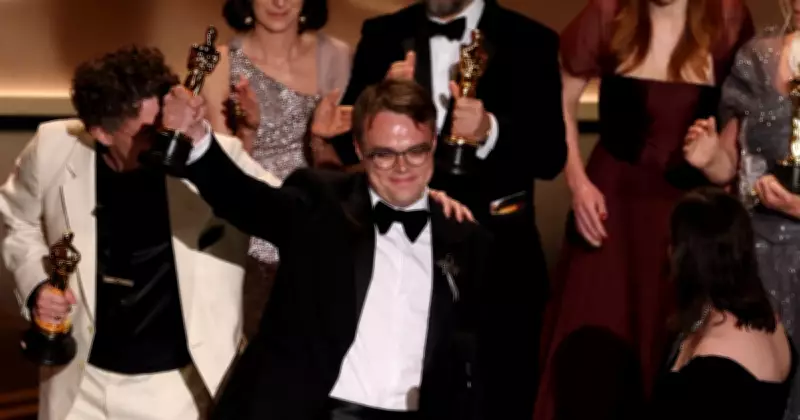
Russian Court Prohibits Oscar-Winning Documentary 'Mr Nobody Against Putin'
A court in Russia has officially banned the Oscar-winning documentary Mr Nobody Against Putin from several streaming platforms. The ruling asserts that the film promotes negative attitudes toward the Russian government and its military actions in Ukraine. This decision marks a significant legal step in restricting access to the documentary within the country.
Film Content and Production Details
The documentary, which recently secured the Best Documentary award at the Oscars, features covertly recorded footage from a school located in the Chelyabinsk region. This footage captures pro-war messaging being delivered to students over a period of two years. The material was subsequently smuggled out of Russia, highlighting the clandestine nature of its production and distribution.
Court Ruling and Official Justifications
According to reports from the independent outlet Sotavision, the court declared that the documentary promotes terrorism and undermines the current government. Authorities also expressed concerns regarding the inclusion of minors in the film without obtaining parental consent. These concerns were raised following complaints from Russia's Kremlin-appointed human rights council, adding a layer of official scrutiny to the case.
Symbolism and Broader Implications
The court further objected to the appearance of the white-blue-white flag, a symbol utilized by certain anti-war opposition groups. This flag is banned in Russia as it is classified as extremist. The ban specifically targets three streaming platforms, representing the first known legal action to limit access to the film. However, unofficial copies of the documentary continue to be widely available online, circumventing the restrictions.
Focus on Pavel Talankin and Narrative Control
The documentary centers on Pavel Talankin, a school videographer who fled Russia in 2024. This ruling occurs amidst broader efforts by Russian authorities to control narratives surrounding the conflict in Ukraine. These efforts include modifications to school curricula designed to reinforce the Kremlin's official stance on the war, illustrating a comprehensive approach to shaping public perception and discourse.