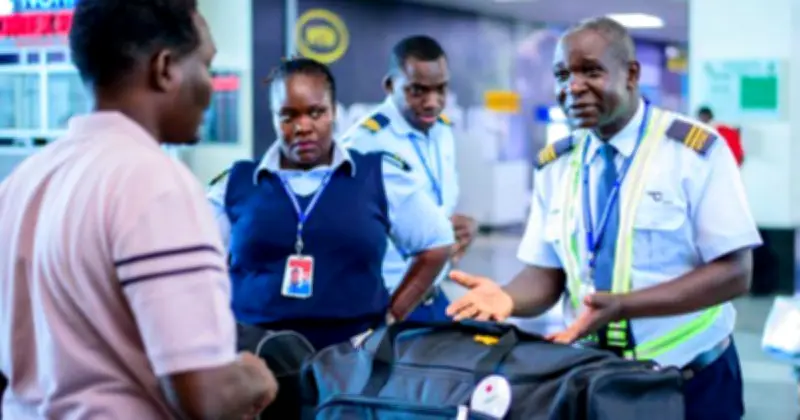
From food and medicine to photos and luggage, seemingly innocent actions can land Nigerians in trouble abroad. Official travel guidance warns that travellers can face fines, detention, imprisonment or deportation for breaking local laws, even unintentionally.
Food and Medication Risks
For many Nigerians, travelling without some food from home is difficult to imagine. Dried pepper, egusi, crayfish, beans and spices can make cooking abroad easier. But countries can have strict rules on meat, animal products, fresh produce, seeds and other agricultural items. The US, for example, requires travellers to declare agricultural products and restricts several food and plant products from entering the country. So declaring your food does not necessarily mean you will be allowed to take it in.
A medicine legally prescribed in Nigeria may be controlled or restricted elsewhere. Some countries have additional requirements for medicines containing narcotics, stimulants or sedatives. Travellers may need a prescription, doctor's letter or prior approval. Before flying, check whether your medication is permitted at your destination and keep it in its original packaging.

Photography and Drones
You see an interesting building at the airport and pull out your phone. That seemingly cute act can get you into trouble. Some countries restrict photography around military facilities, government buildings, police sites and airports. If you see a no-photography sign, obey it. When unsure, ask before taking the picture.
A drone may seem like harmless holiday equipment, but countries regulate it differently. Some require registration or permits, while others restrict where drones can be flown, particularly around airports and government or military sites.
Jokes, Luggage, and Cash
You may simply be joking with your friend about bombs and drugs while the airport security may not see you as a potential threat. Some jokes are simply not worth making. Carrying someone else's luggage could get you jailed if it contains prohibited drugs, undeclared goods or another restricted item.
Having your own money is not automatically a problem, but some countries require travellers to declare cash above a particular threshold. For instance, travellers entering or leaving the US with more than US$10,000 in currency or monetary instruments must declare it. The threshold varies by country, so check before travelling.
Souvenirs and Natural Items
An animal-skin bag, ivory carving or coral necklace may look like a unique souvenir, but wildlife products can be subject to strict international controls. Restrictions can apply to ivory, animal skins, coral, shells and products made from protected species. An item being sold openly does not necessarily mean you can legally take it across a border.
Depending on the destination, even shells, coral, plants, fossils and other natural materials can be protected or restricted. If you want a natural souvenir, check local rules first rather than assuming that something small and free is automatically yours to take.
“I didn't know” is not an excuse and won’t absolve you of the consequences of your actions, so, before you fly, check the rules on medication, food, cash, drones, photography and souvenirs. A few minutes of research before boarding could save you from a serious problem after you land.