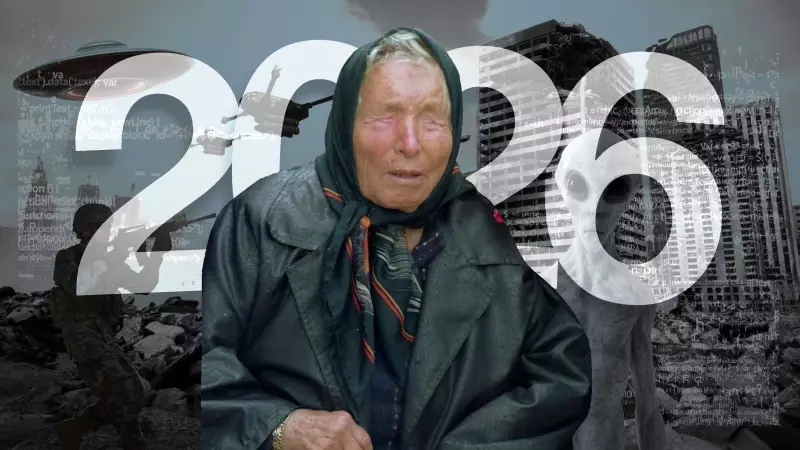
Even though she passed away in 1996, the prophecies of Bulgarian mystic Baba Vanga continue to capture the world's imagination. Her alleged forecasts for the year 2026 are now circulating widely, sparking intense discussion between believers and skeptics.
Who Was the "Nostradamus of the Balkans"?
Born as Vangelia Pandeva Gushterova, the blind seer gained fame across Eastern Europe. Many powerful figures, including former Soviet leader Leonid Brezhnev, reportedly sought her counsel. Followers claim she accurately predicted major world events like the Chernobyl disaster, the death of Princess Diana, and the September 11 attacks.
Baba Vanga died on August 11, 1996, at 85 years old after battling breast cancer. Her supporters believe she even foresaw her own death. Her home in Rupite, Bulgaria, near the extinct Kozhuha volcano, remains a pilgrimage site for those who believe in her spiritual and healing powers.
The Startling Predictions for 2026
Recent online discussions focus on several bold claims attributed to Vanga for the coming year. One of the most dramatic suggests that humanity may make first contact with an alien civilisation in 2026.
Other warnings point to severe natural disasters. These include predictions of massive earthquakes, major volcanic eruptions, and extreme weather events that could impact up to eight per cent of the Earth's landmass.
On a more hopeful note, some believers link Vanga to a prophecy about a major leap forward in cancer diagnosis and treatment. They point to emerging multi-cancer early detection blood tests as a potential fulfilment of this vision.
Global Tensions and Enduring Debate
Vanga's followers also interpret her words as warnings of escalating global conflict. They see the ongoing war between Russia and Ukraine, instability in Southeast Asia, and fragile Middle East ceasefires as developments that align with her ominous forecasts.
Some argue that events in 2025, including volcanic eruptions, severe floods, and rising military tensions in Europe, lend further credibility to her legacy. However, historians and scientists consistently note a critical flaw: there is no verifiable, written record of Vanga's prophecies made before events occur. Interpretations often surface only after the fact, and inaccuracies are frequently overlooked.
The debate over Baba Vanga's legacy rages on. Is it a case of genuine foresight, or does it demonstrate the powerful and enduring nature of myth? As 2026 approaches, interest in her alleged visions shows no sign of fading, ensuring her story will continue to be told and scrutinised.