If you believe marriage is solely a union of love and romance, the concept of a lavender marriage might completely shift your perspective. This unique arrangement reveals that not all marriages are built on passion or deep emotional connection. Some exist for practical reasons like safety, privacy, or simply to survive in a society that can be harsh towards certain identities.
What Exactly Is a Lavender Marriage?
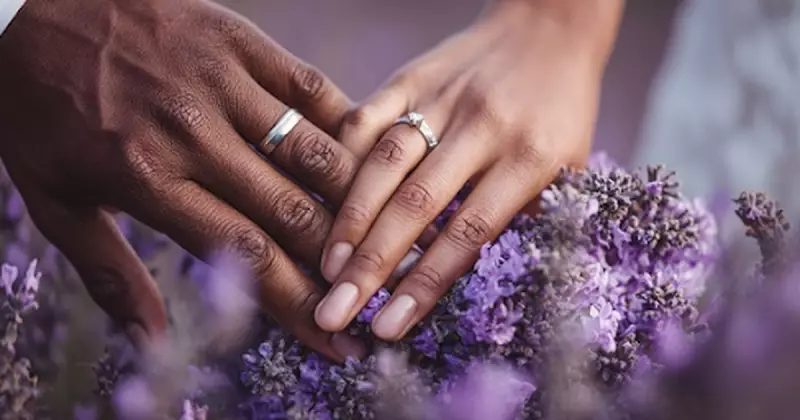
A lavender marriage is a marriage of convenience where one or both partners are secretly members of the LGBTQ+ community. The primary goal is to conceal their sexual orientation from the public eye, protect their careers, or avoid social stigma and discrimination. In essence, these unions prioritize appearances and survival over romantic love.
The term itself has historical roots, originating in the early to mid-20th century. It uses the colour lavender, which has a long-standing association with LGBTQ+ culture. During times when being openly gay could lead to severe professional and social consequences, these marriages provided a crucial shield. While societal acceptance has grown in many parts of the world, including Nigeria, such arrangements are still sometimes used by public figures and everyday people to manage public perception and personal safety.
Famous Historical Examples of Lavender Unions
Lavender marriages are often linked to Hollywood's golden age, where an open LGBTQ+ identity could destroy a career. Several high-profile cases illustrate this practice vividly.
Rock Hudson and Phyllis Gates are one of the most frequently referenced pairs. The actor, plagued by rumours about his sexuality, married Gates in 1955. While Gates later stated she believed the marriage was real, it served Hudson's need to maintain his leading-man public image in an intolerant era.
In the theatre world, celebrated actress Katharine Cornell married her stage director, Guthrie McClintic, in 1921. Their partnership allowed them to collaborate closely while keeping their private lives away from public scrutiny.
Another example is Swedish actor Nils Asther, who was known to be homosexual. He entered a brief marriage with Vivian Duncan, which resulted in a child. This union provided a social cover without changing the reality of their personal lives.
It is crucial to understand that lavender marriages are not exclusive to celebrities. Ordinary individuals from all walks of life, including within Nigerian society, have entered similar arrangements for protection, familial peace, or social acceptance.
Why Do People Choose Lavender Marriages?
The motivations behind entering a lavender marriage are complex, but they consistently revolve around pressure and safety.
- Career Protection: In many industries and professions, coming out has historically meant, and in some contexts still means, losing job opportunities, endorsements, or professional credibility.
- Social and Familial Acceptance: The fear of rejection, disownment, or violence from family and community is a powerful driver. A conventional marriage can appease family expectations and shield individuals from backlash.
- Privacy and Emotional Safety: Such a marriage creates a buffer, allowing a person to live more discreetly and avoid the constant scrutiny, discrimination, or potential danger that can come with an open LGBTQ+ identity in less accepting environments.
These marriages typically operate on a foundation of mutual understanding. Both partners agree on the nature of their public relationship and set clear boundaries for their private lives. Some may cohabit like a traditional couple, while others maintain separate lives but present a united front socially. What binds them is often companionship, deep trust, and a pragmatic friendship, even in the absence of romantic love.
Like any human arrangement, lavender marriages come with their own set of pros and cons. On the positive side, they offer vital social and professional cover, reduce harmful scrutiny, and can provide genuine companionship and mutual support without romantic complications. On the downside, they can involve a lack of romantic or sexual intimacy, significant emotional strain from maintaining secrecy, and potential for conflict if the partners' expectations or circumstances change over time.
A common misconception is to label these marriages as "fake" or inherently dishonest. The reality is far more nuanced. For many, a lavender marriage represents a necessary survival strategy in a world that has not always offered safety or acceptance. They are practical solutions often built on mutual respect and a shared understanding of a difficult situation.
Ultimately, lavender marriages challenge our narrow definitions of love and commitment. They demonstrate that partnerships can take many forms, and that sometimes, the most profound understanding and support exists quietly behind the scenes, focused on survival and mutual respect rather than public displays of romance. Recognising this complexity allows for greater empathy when discussing matters of identity, love, and the pressures of society, both globally and here in Nigeria.