No waitlist. No invitation. How Love Luxury is changing the way Nigerians access Hermès bags. Have you ever walked into a Hermès boutique, asked about a Birkin, and been politely redirected to scarves? If so, you are in good company. Securing a Birkin or Kelly through official Hermès retail channels requires considerably more than the ability to pay for one. It requires a demonstrated purchase history across the brand's other product lines, an established rapport with a boutique sales associate, and an invitation that many committed buyers wait months or years to receive, sometimes without ever receiving it at all. For buyers across Nigeria, where appetite for authenticated Hermès bags has been building steadily among upper-income consumers, that access gap has carried a quiet weight for years.
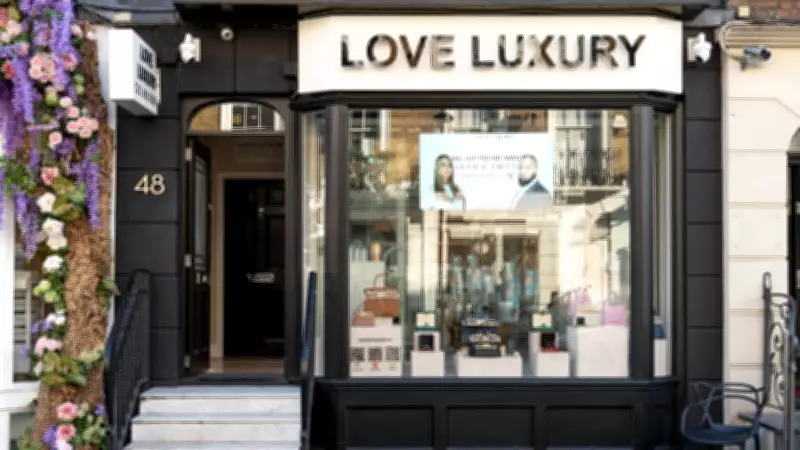
Love Luxury, the London-based pre-loved Hermès specialist founded by Adam and Emily Abraham, has spent more than fifteen years building a direct answer to that situation. No boutique relationship is required. No spending history across other categories. No waiting list to join. The business maintains consistent stock of the most sought-after Birkin and Kelly bags and ships globally, including to a Nigerian client base that founder Adam Abraham identifies as central to the brand's international identity. "We have always had Nigerian clients," he says. "They know quality, they understand value, and when they come to us, they come expecting the best. That is exactly what we are here to deliver."
How the Hermès System Works and Why It Leaves Buyers Behind
Hermès abandoned its formal Birkin waiting list years ago, but the purchasing process that replaced it carries its own tier of exclusivity. Buyers visiting a Hermès boutique today are expected to demonstrate brand loyalty through prior spending on accessories, homeware, apparel, and other categories before a sales associate will consider facilitating access to a Birkin or Kelly. The discretion involved means that even a buyer with substantial purchasing power can leave empty-handed if the relationship with a particular associate has not been cultivated carefully over time. This arrangement was designed to protect the brand's controlled scarcity, and it functions precisely as intended. What it simultaneously produces is a category of buyer with both the financial capacity and the genuine desire to own a Birkin, facing a structural barrier through conventional retail.
The secondary market for pre-loved Hermès bags exists to serve that buyer. Resale prices for Birkin and Kelly bags rose 15% year-on-year through 2025, and Hermès now holds a 138% value retention rate across its flagship handbag categories, confirming that demand has grown stronger, not weaker, in the face of boutique access restrictions.
Nigeria's Position in the Luxury Conversation
The picture of Nigeria as a luxury market is sometimes treated in international coverage as an emerging development, but affluent Nigerian consumers have been buying internationally recognised luxury goods, and buying them seriously, for far longer than recent headlines suggest. International luxury brands have been accelerating their presence in Lagos and Abuja, with accessories among the categories generating the most consistent demand. Designer handbags in particular occupy a specific cultural and social standing for many buyers, combining aesthetic appeal with the kind of brand equity that travels across borders. Across the African continent, the secondary market for authenticated designer goods has recorded some of its sharpest activity to date. Pre-loved luxury sales growth across Africa outpaced global market averages in 2024, with one major industry tracker reporting 34.7% year-on-year growth, and online channels now account for 58% of the continent's authenticated luxury purchases. That shift has opened a direct route for London-based specialists like Love Luxury to serve buyers who would otherwise have no viable path to pieces of this calibre and provenance.
Why Authentication Is the Real Product
Access to the bag is only part of what buyers are purchasing. The expansion of the global luxury resale sector has created parallel space for fraudulent sellers offering convincing replicas at prices that closely track genuine articles. For a buyer in Lagos or Abuja transacting remotely with a London-based seller, the ability to verify authenticity without physically examining the piece demands a level of confidence that most platforms are not equipped to provide. Love Luxury built its commercial identity around authentication as the primary deliverable, ahead of the inventory itself. Every piece assessed by the team is examined against criteria covering Hermès's signature hand-stitching, hardware weight and specification, interior construction details, and provenance documentation. The brand carries a 4.9-star rating on Google Reviews, maintained across years of transactions with clients who have returned to buy and sell repeatedly. "Our reputation is built one transaction at a time," Abraham says. "Every bag we sell is exactly what we say it is. That is the only way any of this works."
Shipping Globally, Serving Locally
Love Luxury's capacity to ship worldwide transforms the buyer experience for clients in Nigeria from a logistical challenge into a straightforward process. A client can browse available pre-loved Hermès bags from the UK-based inventory online, engage the Love Luxury team directly, work through authentication documentation, and receive the piece at home. The model was built to provide the same standard of service as an in-person boutique visit without requiring the buyer to be on Beauchamp Place to access it. Delivering authenticated luxury across borders requires more than courier infrastructure. It requires a seller with a standing in the market that gives buyers confidence when placing significant transactions at a distance. Love Luxury's social media presence, with 4.9 million TikTok followers and 1.2 million on Instagram, providing continuous transparency into the business's day-to-day operations, has made that confidence transferable across geographies. For Nigerian buyers who have spent years contending with the Hermès boutique system and its unwritten rules, the route to a genuine, fully authenticated Birkin or Kelly has become considerably more accessible than it has ever been before.