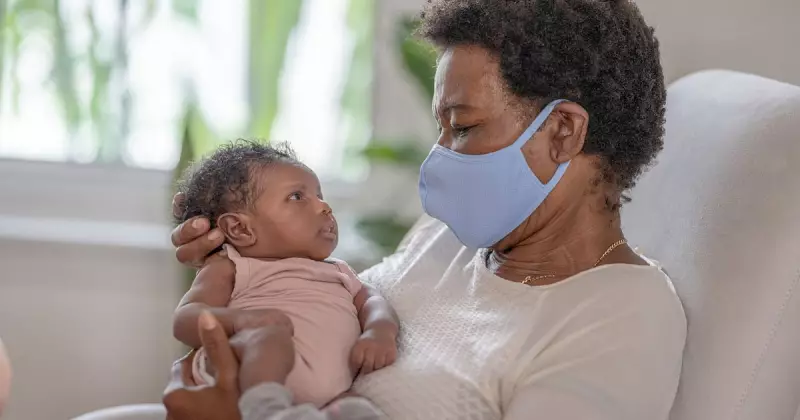
The arrival of a newborn is a joyous occasion in any Nigerian family, filled with excitement and a desire to celebrate. However, this delicate period requires careful consideration to protect the infant's health and support the recovering parents. Overstimulation from well-meaning visitors can lead to excessive crying, unrest, and stress for the baby, highlighting the need for specific guidelines.
Key Rules for Visiting in Hospital and at Home
Whether meeting the baby at the hospital or at the family's home, certain protocols are non-negotiable. Hospitals typically restrict visitors to immediate family and enforce strict health checks. Every visitor must be completely free of coughs, colds, or sniffles and is required to wash hands thoroughly before any contact with the infant. Rules concerning siblings, gifts like flowers, or photography can vary, so it's essential to ask the parents or hospital staff in advance.
When visiting at home, the first rule is to always ask before coming over. Never assume a drop-in is convenient, as new parents are often overwhelmed and exhausted. Communication is key; a simple message to schedule a visit shows deep respect for their new routine.
Critical Health and Hygiene Protocols
The most important rules revolve around the newborn's fragile immune system. If you are sick in any way, you must stay home. A minor cold for an adult can be serious for a baby. Upon arrival, washing your hands every time before touching the baby is mandatory. Furthermore, you must always ask for explicit permission before holding the newborn. Some parents may not be ready to pass their child around, and this decision must be respected without taking offense.
Perhaps the hardest rule for many to follow is to skip kissing the baby. As kissable as newborns are, this simple act can spread germs and serious viruses like RSV that their immune systems cannot yet combat. It is a risk not worth taking.
Supporting the Parents and Reading Baby's Cues
A thoughtful visitor aims to help, not hover. Instead of focusing solely on cuddling the baby, offer practical support. This can include bringing a prepared meal, helping with laundry, running an errand, or holding the baby so parents can shower or nap—but only if they want you to. Keep visits short and sweet, ideally between thirty minutes to an hour, unless the parents ask you to stay longer.
It is also vital to keep unsolicited parenting advice to yourself. Unless the new mum or dad asks for tips, avoid starting sentences with "You should..." or "When I had kids...". Be flexible, kind, and understanding if plans change last minute due to the baby's needs or parental exhaustion.
When interacting with the infant, speak softly, move gently, and always support their head and neck. Watch for the baby's cues; yawning, fussing, or turning away are clear signals that they are overstimulated and need a break. Limit phone use during the visit to be fully present, and avoid wearing strong perfumes or colognes that can overwhelm the baby's sensitive senses.
A Guide for New Nigerian Parents on Setting Boundaries
For new parents, establishing these rules is not just a right but a necessity for creating a safe, peaceful environment. The first step is to decide on your family's rules as a team with your partner. Agree on priorities like health protocols, visiting hours, and the type of help you would welcome.
Communicate these boundaries early and collectively. You can share standard rules via a group text or email, while having private conversations with close family to explain the reasoning. Framing rules positively helps—for example, saying "We can't wait for you to meet the baby once everyone is feeling 100% well!" focuses on the future happy visit.
Newborns need this special care because they are adjusting to life outside the womb with an immune system that is still under construction. Think of it as a brand-new phone without a protective case; it is highly vulnerable. By following these simple, respectful rules, visiting a newborn becomes a wonderful and supportive experience for everyone involved, ensuring the baby's health and the parents' peace of mind during this precious time.