Overcoming the Struggle to Apologize: A Path to Humility and Growth
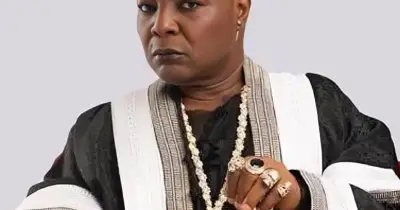
Do you often find yourself wrestling with the words "I am sorry"? Many individuals experience this internal conflict, feeling that others are unjust in their expectations. According to insights shared by Bishop Charles Ighele, this difficulty in apologizing is a clear indicator of a deeper issue—pride. When you hesitate to offer an apology, you are grappling with a spirit of pride, and only you can initiate the healing process to overcome it.
The Root of the Problem: Pride and Perfectionism
A proud person tends to view humbling situations as humiliating, leading to arguments and a desire for the other party to concede. If they refuse, you may feel hurt and find it even harder to apologize. This mindset suggests a belief in your own infallibility, as if you are above making mistakes. However, true healing begins when you acknowledge your imperfections. Accepting mistakes pointed out by others is a crucial part of personal growth and maturity.
Apologizing serves as the foundation for developing a humble spirit. As King David expressed in Psalm 51:17, "A broken and a contrite heart thou will not despise." By healing yourself, growing spiritually, and embracing humility, you open the door for divine elevation and improved relationships.
Apologies in Marriage and Family Dynamics
One common complaint among married couples is that their spouses struggle to apologize sincerely, often offering mechanical apologies devoid of genuine emotion. Early in his marriage, Bishop Ighele and his wife faced similar challenges, but as they grew more Christ-like and mature, they trained themselves to apologize effortlessly.
It is essential to teach children to apologize properly without struggle, as this skill will impact their future relationships and marriages. Parents should encourage children to apologize to each other and to their parents when necessary. Moreover, parents themselves must learn to apologize to their children, modeling humility and accountability.
The Strength in Saying "I Am Sorry"
Apologizing is not a sign of weakness; rather, it demonstrates strength, maturity, and a sound mind. For couples, saying "I am sorry" should not be reserved only for times of conflict but also used as a preventive measure to avoid escalating issues. Remember, prevention is better than cure, and a heartfelt apology can foster love and understanding in relationships.
In summary, embracing the act of apologizing can transform your personal and relational life, leading to greater humility and growth.