Nigerian Woman Mourns Brother, Hopes for His Child to Continue Legacy
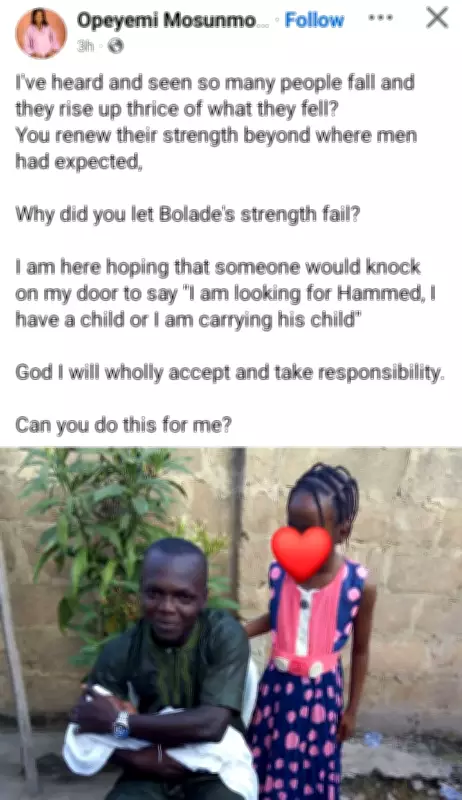
In a heartfelt and emotional Facebook post shared on Tuesday, March 31, a Nigerian woman named Opeyemi Mosunmola has publicly expressed her profound grief over the loss of her brother, Bolade. The post, which has resonated with many online, reveals her deep sorrow and a unique hope for the future.
A Sister's Heartfelt Plea for Continuity
Opeyemi Mosunmola, overwhelmed by the pain of her brother's passing, wrote candidly about her feelings. She reflected on how she has witnessed others face adversity and rise stronger, renewing their strength beyond societal expectations. In her post, she poignantly questioned why her brother Bolade's strength had to fail, highlighting the sudden and devastating nature of his death.
The core of her message centers on a poignant wish: she hopes that someone will knock on her door to announce they are looking for Hammed, her brother, because they have his child or are carrying it. Opeyemi made a solemn vow to God, stating that she would wholly accept and take full responsibility for any such child. She pleaded, "Can you do this for me?" emphasizing her desire to preserve her brother's legacy through offspring.
Social Media Reaction and Cultural Context
This public expression of grief and hope has sparked discussions on social media, with many users offering condolences and sharing similar experiences of loss. In Nigerian culture, family and lineage are highly valued, and the desire for children to carry on a family name is often deeply felt. Opeyemi's post taps into this cultural sentiment, as she seeks not just to mourn but to ensure her brother's memory lives on through future generations.
Her willingness to take responsibility for a potential child underscores the strong familial bonds and support systems prevalent in many Nigerian communities. It also highlights how individuals cope with grief in diverse ways, from private mourning to public appeals for solace and continuity.
Broader Implications of Personal Loss
While the post is deeply personal, it sheds light on broader themes of bereavement, resilience, and the human need for hope in the face of tragedy. Opeyemi's story reminds us of the universal struggles with loss and the creative ways people seek to find meaning and comfort. Her public sharing may inspire others to express their grief openly and seek support from their communities.
As this story circulates, it serves as a testament to the power of social media in connecting people during difficult times and fostering empathy across distances. The original post was shared by Linda Ikeji on April 1, 2026, at 2:01 PM, and continues to garner attention for its raw emotional honesty and cultural resonance.